

.jpg)
.jpg)
If you're searching for the best video commerce platform for your ecommerce store, you've probably come across dozens of tools that promise to boost engagement, increase conversions, and bring your product pages to life with video. But not all video commerce platforms are created equal. Some specialize in live shopping, others focus on video creation, and a few try to do everything but end up doing nothing particularly well.
This guide breaks down the top video commerce platforms in 2026, comparing their features, performance, pricing, and real-world effectiveness so you can make the right decision for your brand. We start with Videowise, the highest-rated video commerce platform on G2, Trustpilot, and the Shopify App Store, and then walk through every major alternative, including their strengths, weaknesses, and ideal use cases.
.jpg)
Before we dive into alternatives, it's worth understanding why Videowise has become the industry benchmark that every other platform is measured against.
Videowise is the most reviewed and highest-rated video commerce platform across every major review site. On G2, it holds a near-perfect rating with 50+ five-star reviews, making it the top-rated solution in the video commerce category. On Trustpilot, Videowise maintains a perfect 5-star rating across 59+ verified customer reviews. On the Shopify App Store, it carries a 4.8-star rating with 250+ reviews, and installs have grown 48% year-over-year. On Gartner Peer Insights, Videowise holds a 4.6 out of 5 rating in the Shoppable Media category. No other video commerce platform comes close to this breadth and consistency of positive reviews across multiple independent platforms.
But ratings alone don't tell the full story. What makes Videowise the preferred choice for 900+ Shopify brands and enterprise retailers is the depth of its platform.
Videowise is a full-stack video commerce solution. It handles everything from video hosting and AI-powered optimization to shoppable video experiences, live shopping, UGC management, and commerce-specific analytics, all within a single platform. This eliminates the need to cobble together multiple tools, each with their own limitations and integration headaches.
Performance is where Videowise truly separates itself from the competition. The platform's proprietary AI compression technology reduces video file sizes by over 90% while maintaining visual quality, ensuring that adding video to your store doesn't slow down your pages. Lazy loading, adaptive streaming, and edge delivery mean that Videowise-powered stores consistently score in the green on Google PageSpeed Insights, something that most competitors simply cannot match.
On the analytics side, Videowise provides commerce-centric video analytics that go far beyond basic view counts. You get revenue attribution, conversion tracking, engagement heatmaps, and A/B testing capabilities that let you understand exactly how video content drives your bottom line. This data-driven approach is why brands consistently report measurable ROI within weeks of deploying Videowise.
The platform also excels at scale. Whether you have 50 products or 50,000, Videowise's bulk actions, automation rules, and AI-powered content management make it feasible to deploy video across your entire catalog without a dedicated team. The platform supports multiple content types including shoppable video, video carousels, video stories, video backgrounds, video galleries, picture-in-picture players, and live shopping, all customizable to match your brand's look and feel.
For enterprise brands, Videowise offers headless commerce support, multi-store management, custom API access, and dedicated account management. The platform integrates natively with Shopify, Shopify Plus, Salesforce Commerce Cloud, and supports custom integrations for other platforms.
.jpg)
Bambuser is a Swedish company that pioneered live video shopping and has been in the market since 2007. The platform is heavily focused on live shopping experiences and has worked with major retail brands including H&M and Samsung.
Bambuser's live shopping technology is mature and feature-rich. The platform offers high-quality live streaming with interactive features like real-time product tagging, in-stream purchasing, polls, and audience engagement tools. Bambuser also provides one-to-one video shopping experiences that mimic in-store consultations, which can be valuable for high-consideration purchases. The platform has strong enterprise credentials and supports custom integrations.
Bambuser is primarily a live shopping tool, not a comprehensive video commerce platform. If you need shoppable video on product pages, video hosting, UGC management, or video analytics beyond live streams, you'll need additional tools. The pricing reflects its enterprise positioning: Bambuser is one of the more expensive options in this space, and the platform doesn't offer a compelling self-serve experience for smaller brands. The Shopify integration, while functional, isn't as deep or native-feeling as what Videowise offers. Additionally, Bambuser's on-demand video capabilities are limited compared to platforms that were built with both live and on-demand video in mind from the start.
Best for: Enterprise brands that prioritize live shopping and one-to-one video consultations above all other video commerce use cases.
Vimeo is one of the most recognized names in online video, known primarily as a video hosting and streaming platform for creators, filmmakers, and businesses. Vimeo offers some ecommerce-adjacent features, but it's fundamentally a general-purpose video platform rather than a purpose-built video commerce solution.
Vimeo provides excellent video hosting with high-quality playback, customizable players, and strong privacy controls. The platform supports 4K video, offers robust video management tools, and has a well-documented API. Vimeo's video creation tools, including screen recording and basic editing, can be useful for creating product videos. The platform also offers live streaming capabilities and has a large, established user base.
The critical gap with Vimeo is that it's not a commerce platform. There are no native shoppable video features, no product tagging, no in-video purchasing, and no commerce-specific analytics. You can embed Vimeo videos on your store, but they won't have add-to-cart functionality, product overlays, or any of the interactive commerce features that drive conversions. Vimeo videos embedded on ecommerce sites also tend to be heavy, impacting page load times. The platform doesn't offer UGC management, live shopping, or any of the ecommerce-specific automation features that brands need to deploy video at scale. Using Vimeo for video commerce means you're essentially using a general-purpose tool for a specialized job. For a deeper look at what ecommerce video actually requires, see our product videos for ecommerce guide.
Best for: Brands that need a general video hosting solution and don't require shoppable or interactive commerce features.
Wistia is a video hosting and marketing platform designed primarily for B2B companies. It's known for its clean, professional video player, marketing integrations, and lead generation features.
Wistia's video player is polished and professional, with extensive customization options. The platform excels at video marketing for B2B use cases, with features like email gates, CTA overlays, and integrations with marketing automation tools like HubSpot and Marketo. Wistia's analytics provide detailed viewer engagement data, including heatmaps that show exactly where viewers drop off. The platform also offers video creation tools through Wistia Studios and has a reputation for excellent content marketing and educational resources.
Like Vimeo, Wistia is not a commerce platform. It lacks shoppable video functionality, product tagging, in-video purchasing, live shopping, and commerce-specific analytics like revenue attribution. Wistia's pricing can also be challenging for ecommerce brands: the platform charges based on video count and bandwidth, which can get expensive quickly for stores with large product catalogs. The platform's B2B orientation means that its features, integrations, and even its design language are optimized for lead generation and content marketing rather than direct-to-consumer ecommerce. Wistia doesn't offer Shopify or ecommerce platform integrations at the same depth as purpose-built video commerce tools.
Best for: B2B companies and SaaS businesses that need video for marketing, lead generation, and sales enablement, not DTC ecommerce.
Shopify's built-in video capabilities allow merchants to add video to product pages, collections, and other parts of their store using Shopify's native media handling. This is the "free" option that every Shopify merchant has access to.
The biggest advantage of Shopify's native video is that it's free and already integrated into your store. There's no additional app to install, no monthly fee, and no learning curve beyond what you already know about Shopify's admin. For brands that simply want to add a product demonstration video to a product page, Shopify's native video handling gets the job done. The videos are served through Shopify's CDN, which provides reasonable performance.
Shopify's native video is extremely basic. There's no shoppable functionality: viewers can't add products to cart from the video. There are no interactive features, no video carousels or stories, no analytics beyond basic view counts, no UGC management, no AI optimization, and no live shopping capabilities. Video customization is limited to what your theme supports, and most themes only offer a basic video player with minimal styling options. For brands serious about using video as a conversion driver, Shopify's native video is a starting point, not a solution. It's the equivalent of using Shopify's built-in blog instead of a full content marketing platform, functional for basics, but lacking the features needed to compete.
Best for: Very early-stage brands that want to test adding a single video to product pages before investing in a dedicated video commerce platform.
SpeedSize is a media optimization and AI compression platform that focuses on making images and videos load faster on websites. While not a traditional video commerce platform, SpeedSize intersects with the video space through its performance optimization capabilities.
SpeedSize's core technology is impressive: the platform uses AI to compress media files dramatically while maintaining visual quality. This can result in faster page load times and improved Core Web Vitals scores. For brands that are already using other video tools but struggling with performance, SpeedSize can serve as a complementary optimization layer.
SpeedSize is a media optimization tool, not a video commerce platform. It doesn't offer shoppable video, product tagging, video analytics, UGC management, live shopping, or any of the commerce-specific features that drive video ROI. The compression technology, while effective, is already built into platforms like Videowise, making SpeedSize redundant for brands that choose a video commerce platform with native performance optimization. Additionally, adding another tool to your stack increases complexity and cost without providing the commerce functionality that actually moves the needle on revenue.
Best for: Brands that need to optimize existing media assets for performance but already have a separate video commerce solution (or don't need one).
Stream Video is a real-time video and audio API used by engineering teams to build live streaming, video calling, and audio experiences directly into their app. Rather than a live-shopping-specific tool, Stream is a broader video infrastructure provider, with SDKs for iOS, Android, React, Flutter, and other platforms, used across industries well beyond ecommerce.
Stream's SDKs handle the hard parts of real-time video: a global edge network for low latency, automatic scaling for large audiences, recording, and cross-platform support across web and mobile. Because it isn't built specifically for live shopping, it gives development teams full control over the UI, checkout flow, and overall experience rather than working within a pre-built player. Stream also offers chat and activity feeds on the same platform, which can be useful for brands building a broader interactive experience around live video.
Stream is infrastructure, not a plug-and-play live shopping tool. There's no built-in product tagging, in-stream checkout, or ecommerce-specific analytics; brands need to build these themselves or work with a development partner. That means a longer implementation timeline and ongoing engineering investment compared to installing a Shopify app like Videowise.
Best for: Brands with dedicated development teams that want full control over a custom live or interactive video experience built into their own app.
Channelize is a live shopping and video commerce platform that provides APIs and SDKs for embedding live shopping experiences into ecommerce stores and apps. The platform positions itself as an infrastructure provider for brands that want to build custom live shopping experiences.
Channelize offers flexible APIs and SDKs that give developers significant control over the live shopping experience. The platform supports both live and pre-recorded shoppable video, with features like real-time product tagging, in-stream purchasing, and multi-platform streaming. For brands with development resources that want to build a highly customized live shopping experience, Channelize provides the building blocks. The platform also supports mobile app integration, which can be valuable for brands with dedicated shopping apps.
The API-first approach is both Channelize's strength and its weakness. For most ecommerce brands, the level of development effort required to implement and customize Channelize is significantly higher than using a platform with a plug-and-play approach like Videowise. The platform lacks the broader video commerce features that brands need beyond live shopping: there's limited support for on-demand shoppable video widgets, no AI-powered video optimization, and the analytics are basic compared to what Videowise offers. The platform's documentation and support resources, while adequate for developers, don't provide the same level of strategic guidance and onboarding support that non-technical ecommerce teams need.
Best for: Brands with dedicated development teams that want to build custom live shopping experiences from scratch using APIs.
CommentSold is a live selling platform that originated in social commerce, particularly Facebook Live selling. The platform has since expanded to include website-based live shopping and mobile app capabilities.
CommentSold has deep roots in social selling and provides a unique "comment to buy" functionality that makes it easy for viewers to purchase products during live streams by simply commenting. The platform offers a complete live selling ecosystem including inventory management, invoicing, and a mobile app builder. For fashion and boutique retailers who built their business on Facebook Live selling, CommentSold provides a familiar and effective workflow. The platform also includes basic video-on-demand features and can generate mobile apps for your store.
CommentSold is heavily specialized for a specific type of retailer: small to mid-size fashion boutiques that do frequent live sales. The platform's on-demand video commerce features are limited compared to Videowise, with less sophisticated shoppable video widgets, fewer customization options, and no AI-powered video optimization. The platform doesn't integrate as well with Shopify's native checkout flow, and the overall user experience feels dated compared to more modern video commerce platforms. For brands that need comprehensive video commerce beyond live selling, including product page video, video carousels, UGC management, and performance analytics, CommentSold leaves significant gaps.
Best for: Small fashion boutiques and live sellers who primarily sell through Facebook Live and want a dedicated live selling management platform.
Moast takes a different approach to video commerce by focusing on customer-generated video reviews and experiences. The platform connects potential buyers with existing customers for live video conversations and showcases authentic customer video content.
Moast's unique value proposition is authenticity. By facilitating real conversations between prospective buyers and existing customers, the platform provides a level of social proof that scripted brand content can't match. The platform is particularly effective for high-consideration purchases where buyers want to see and hear from real people before committing. Moast also helps brands collect and showcase video testimonials and reviews, which can be powerful conversion tools on product pages. For a broader look at how UGC video works in ecommerce, see our UGC video complete guide.
Moast is a niche solution, not a comprehensive video commerce platform. It doesn't offer shoppable video, live shopping (in the traditional sense), video hosting, AI optimization, or the broad suite of video commerce features that Videowise provides. The customer-to-customer video call approach, while innovative, is difficult to scale and depends on having a pool of willing existing customers. The platform doesn't address the core video commerce needs of most ecommerce brands: getting shoppable product video on every product page, optimizing video performance, and tracking video-driven revenue. Moast is better understood as a social proof tool that uses video rather than a video commerce platform.
Best for: Brands selling high-consideration products (furniture, appliances, home and garden goods) that want to leverage customer-to-customer video conversations as a sales tool.
Storista is a video commerce platform focused on Instagram-style stories and short-form video content for ecommerce websites. The platform enables brands to add story-like video experiences to their online stores.
Storista offers a clean, visually appealing stories format that feels familiar to users who spend time on Instagram and Snapchat. The platform makes it relatively easy to create and publish story-style content on your ecommerce site, and the interactive elements (swipe-up, product tags, polls) can drive engagement. Storista supports user-generated content and can pull in videos from social media platforms, which simplifies content sourcing for brands that already have an active social presence.
Storista's narrow focus on the stories format is a significant limitation. While stories are effective for certain use cases, they represent just one of many video commerce formats. The platform lacks the comprehensive feature set that Videowise offers: no advanced shoppable video widgets, limited live shopping support, basic analytics, and no AI-powered video optimization. Performance optimization is another concern, as Storista's video embeds can impact page load times. The platform also has a smaller customer base and fewer reviews compared to market leaders, which makes it harder to evaluate long-term reliability and ongoing platform investment.
Best for: Brands that specifically want to add Instagram-style stories to their website and don't need a full video commerce platform.
Storyly is a mobile and web stories platform that allows brands to create interactive story-like content for their apps and websites. While not exclusively focused on ecommerce, Storyly serves a number of retail and ecommerce clients.
Storyly provides a polished stories experience with strong interactive features including polls, quizzes, emoji reactions, and countdown timers. The platform is particularly strong in the mobile app context, offering native SDKs for iOS and Android that enable smooth, full-screen story experiences within shopping apps. Storyly also supports audience segmentation and personalization, allowing brands to show different stories to different user segments. The platform has partnerships with several major brands across retail, gaming, and media.
Like Storista, Storyly's focus on the stories format means it's not a comprehensive video commerce solution. The platform doesn't offer the breadth of shoppable video widgets, live shopping capabilities, or commerce-specific analytics that Videowise provides. Storyly's pricing is oriented toward larger brands and can be expensive for small to mid-size ecommerce stores. The platform's analytics, while good for measuring story engagement, lack the revenue attribution and conversion tracking features that ecommerce brands need to justify their video investment. The ecommerce-specific features feel like add-ons to what is fundamentally a general-purpose stories platform rather than being deeply integrated into the commerce experience.
Best for: Brands with mobile apps that want to add interactive stories as an engagement feature, particularly those in media, gaming, and retail verticals.
YouTube is the world's largest video platform, and many ecommerce brands use it as their primary video hosting solution by embedding YouTube videos on their store. While YouTube offers unmatched reach and free hosting, it was never designed for ecommerce.
YouTube offers free, unlimited video hosting with global CDN delivery and strong video SEO benefits. Product videos hosted on YouTube can rank in Google search results and YouTube search, driving organic traffic to your brand. The platform supports virtually every video format and quality level, and its player is universally recognized by consumers. YouTube's advertising platform also enables video ad campaigns that can drive traffic to your store.
Using YouTube for video commerce introduces several serious problems. YouTube's embedded player includes competitor ads, related video suggestions, and YouTube branding that can distract shoppers and drive them away from your store. There are no shoppable features: no product tagging, no add-to-cart buttons, no interactive commerce elements. YouTube embeds are also notoriously heavy, often adding 500KB to 1MB+ to your page weight, which can significantly impact page load times and Core Web Vitals scores. You have no control over the viewing experience beyond basic player settings, and YouTube's analytics don't connect to your ecommerce data. Perhaps most critically, every YouTube embed on your product page gives shoppers an easy path to leave your store and go to YouTube, where they may discover competitor products.
Best for: Brands that need a free video hosting solution for brand awareness and SEO purposes, with the understanding that YouTube is not a sales conversion tool on your own website.
FourSixty is a visual commerce platform that specializes in turning social media content, primarily Instagram, into shoppable galleries on ecommerce websites. The platform helps brands leverage their Instagram feed and UGC as a sales channel.
FourSixty excels at Instagram-to-website content integration. The platform automatically pulls your Instagram content and user-generated photos and videos, making them shoppable on your ecommerce site. The visual galleries are clean and customizable, and the product tagging workflow is straightforward. FourSixty also handles content rights management, which is important for brands that feature customer content. The platform has been around since 2014 and has a solid track record with fashion and lifestyle brands.
FourSixty is primarily an image-first platform. While it does handle video content from Instagram, its video commerce capabilities are limited compared to dedicated video commerce platforms like Videowise. There's no shoppable video player with in-video product overlays, no live shopping, no AI-powered video optimization, and no commerce-specific video analytics. The platform's value proposition is centered around repurposing social content rather than building a comprehensive video commerce strategy. For brands that have already mastered social content and want to go deeper with video commerce, including product page video, video stories, AI-generated video, and performance analytics, FourSixty alone won't get you there. For a full breakdown of what a proper shoppable video setup looks like, see our shoppable video complete guide.
Best for: Fashion and lifestyle brands that want to repurpose Instagram content into shoppable galleries on their website, and whose video needs are secondary to photo content.
Sauce (formerly Sauce Video) is a video commerce platform that focuses on making social media video content shoppable on ecommerce websites. The platform emphasizes the connection between social video and on-site commerce experiences.
Sauce provides tools for importing video content from social media platforms and making it shoppable on your website. The platform supports TikTok, Instagram, and YouTube content sourcing, which can save time for brands that already produce significant social video content. Sauce also offers video stories, carousels, and feed-style layouts that can be embedded across your store. The platform has focused on building a user-friendly interface that non-technical teams can manage without developer support.
Sauce is a relatively newer player in the video commerce space, and the platform's feature set, while growing, doesn't yet match the depth of more established solutions like Videowise. The AI-powered optimization is less advanced, the analytics lack the granularity of Videowise's revenue attribution system, and the performance optimization isn't as robust. Live shopping support is limited, and the platform's customization options for video widgets are fewer. The customer base is smaller, which means fewer reviews, less community knowledge, and less certainty about long-term platform stability and investment. For brands evaluating video commerce platforms, the maturity and proven track record of a platform matters, and Sauce is still building that track record.
Best for: Brands that primarily want to repurpose social media video content for on-site commerce and prefer a simpler, newer platform.
LyveCom is a video commerce and live shopping platform that focuses on bringing the live shopping experience to ecommerce websites. The platform offers both live shopping and on-demand shoppable video features.
LyveCom provides a solid live shopping experience with multi-platform simulcasting (stream to your website, social media, and other channels simultaneously), real-time product tagging, and in-stream purchasing. The platform also supports shoppable video on demand, allowing brands to repurpose live shopping replays and other video content on product pages and collection pages. LyveCom has focused on making its platform accessible to brands that are new to live shopping, with templates and guided workflows that simplify the process.
LyveCom's on-demand video commerce features are less mature than its live shopping capabilities. The shoppable video widgets, while functional, lack the customization depth and variety that Videowise offers. Performance optimization is a notable gap: LyveCom's video embeds can impact page load times, and the platform doesn't offer the AI-powered compression technology that Videowise uses to maintain page speed. The analytics are primarily focused on live shopping metrics and don't provide the same depth of on-demand video analytics, revenue attribution, or A/B testing capabilities. The platform's Shopify integration, while adequate, isn't as deeply integrated as Videowise's, and the content management tools are less sophisticated for brands managing large video libraries.
Best for: Brands that want to prioritize live shopping and are willing to accept trade-offs in on-demand video commerce capabilities.
Tolstoy is perhaps the most well-known alternative to Videowise in the Shopify ecosystem. The platform positions itself around interactive and shoppable video, with a particular emphasis on video-based product discovery through feeds, stories, and carousels.
Tolstoy has built a solid video commerce feature set that includes shoppable video widgets, video feeds, and interactive video experiences. The platform supports TikTok-style video feeds that can be embedded on product pages and homepages, which can be effective for brands with strong short-form video content. Tolstoy also offers live shopping capabilities and has integrations with major social platforms for content sourcing.
The most significant drawback with Tolstoy is site speed. Multiple independent reviews and performance tests have shown that Tolstoy's video embeds can significantly impact page load times, which directly affects SEO rankings and conversion rates. For brands that have invested heavily in site performance optimization, this is a serious concern. Tolstoy's analytics, while functional, lack the depth of commerce-specific attribution that Videowise provides. The platform also tends to be more expensive at scale, with pricing that can escalate quickly as your video library and traffic grow. Customer support, while generally responsive, doesn't match the white-glove onboarding experience that Videowise offers, particularly for mid-market and enterprise brands.
Best for: Brands that prioritize interactive, conversational video experiences and are less concerned about page speed impact.
Rating comparison: Tolstoy has fewer reviews across major platforms compared to Videowise, and its average ratings tend to be lower, particularly on the Shopify App Store where site speed complaints are a recurring theme. See a full feature breakdown in our Videowise vs. Tolstoy comparison.
LiveMeUp is a live shopping and video commerce platform primarily serving the European market. The platform focuses on live shopping experiences with social interaction features.
LiveMeUp offers a clean live shopping interface with features like real-time chat, product showcasing, and interactive engagement tools. The platform is particularly attuned to the European market, with support for multiple languages and compliance with EU regulations including GDPR. LiveMeUp also supports shoppable video replays, allowing brands to extend the value of their live shopping events beyond the original broadcast. The platform's social features, including audience reactions and polls, help create an engaging live experience.
LiveMeUp's feature set is narrowly focused on live shopping, with limited on-demand video commerce capabilities. The platform doesn't offer the comprehensive shoppable video widget library, AI-powered optimization, or deep commerce analytics that Videowise provides. The Shopify integration is basic, and the platform doesn't support Salesforce Commerce Cloud or other major ecommerce platforms at the same level. LiveMeUp's smaller customer base outside of Europe means fewer resources, case studies, and community knowledge available in English-speaking markets. For brands that need a full video commerce stack rather than just a live shopping tool, LiveMeUp leaves significant gaps that would need to be filled by additional tools.
Best for: European brands that want a dedicated live shopping platform with strong GDPR compliance and multi-language support.
Sprii is a live shopping and social commerce platform based in Denmark that helps brands sell through live video events on their websites and social media channels.
Sprii provides a straightforward live shopping solution with strong social commerce integration. The platform supports multi-channel live selling across websites, Facebook, and Instagram, allowing brands to reach audiences wherever they are. Sprii's inventory management during live events is well-designed, with automatic stock updates and cart management that prevent overselling. The platform also offers scheduling and promotion tools that help brands build anticipation for upcoming live events. Sprii has carved out a niche in the Scandinavian and European markets with a loyal customer base.
Sprii is essentially a live selling tool, not a comprehensive video commerce platform. On-demand shoppable video, product page video embeds, AI optimization, video hosting, and advanced analytics are either limited or absent. The platform's focus on social commerce live selling means it's optimized for a specific use case that may not align with what most ecommerce brands need for their website video commerce strategy. Sprii's presence outside of Europe is minimal, and the platform's integration ecosystem is narrower than what Videowise offers. For brands that want video commerce beyond live selling, which is most brands in 2026, Sprii is a specialized tool that would need to be supplemented with additional video commerce solutions.
Best for: European fashion brands and boutiques that do regular live selling events across website and social media channels.
Uplifted is an AI-powered video creation platform that helps ecommerce brands generate marketing videos, product videos, and ad creatives using artificial intelligence.
Uplifted's AI video creation technology is genuinely impressive. The platform can generate professional-quality product videos from images, create ad variations at scale, and produce marketing content that would traditionally require a video production team. For brands that struggle with content creation, the "we don't have enough video content" problem, Uplifted provides a compelling solution. The platform supports batch video creation, template-based workflows, and customizable brand guidelines that ensure consistency across all generated content. Uplifted can also repurpose existing assets into new video formats, which is valuable for brands looking to maximize their content investment. For guidance on building a full ecommerce video strategy, our product videos for ecommerce guide is a good starting point.
Uplifted is a video creation tool, not a video commerce platform. It doesn't host videos, provide shoppable functionality, offer live shopping, deliver commerce analytics, or help you deploy video on your ecommerce site. Once Uplifted generates your videos, you still need a platform to host, optimize, make shoppable, and analyze that content, which is where Videowise comes in. The two platforms can actually be complementary, with Uplifted handling creation and Videowise handling everything from optimization to shoppable commerce to analytics. However, choosing Uplifted as an "alternative" to Videowise reflects a misunderstanding of what each tool does. They serve different functions in the video commerce workflow.
Best for: Brands that need to generate large volumes of video content from existing assets and images, typically used alongside a video commerce platform like Videowise for distribution and monetization.
Air is a creative operations and digital asset management (DAM) platform that helps teams organize, share, and collaborate on visual content including photos, videos, and design files.
Air provides a modern, visually-oriented approach to digital asset management. The platform makes it easy to upload, tag, search, and organize large libraries of visual content, with strong collaboration features for marketing teams. AI-powered auto-tagging, visual search, and smart folders help teams find the right content quickly. Air also offers workspaces, version control, and approval workflows that streamline creative operations. For brands with large volumes of video and photo content that need better organization and team collaboration, Air solves a real operational challenge.
Air is a content management and collaboration tool, not a video commerce platform. It doesn't offer shoppable video, video hosting for ecommerce sites, live shopping, product tagging, commerce analytics, or any of the features that drive video-powered sales. Air helps you organize your video content; Videowise helps you monetize it. Similar to Uplifted, Air can be complementary to Videowise: use Air to manage and organize your video assets, then use Videowise to deploy them as shoppable, optimized commerce experiences on your store. But Air alone cannot replace a video commerce platform because it doesn't do what a video commerce platform does.
Best for: Marketing teams and creative operations departments that need to organize, manage, and collaborate on large libraries of visual content, typically used alongside dedicated ecommerce and video commerce tools.
Firework is a short-form video and live commerce platform that helps brands add TikTok-style video feeds and live shopping to their websites. The platform emphasizes the "owned media" angle, bringing social video experiences to your own digital properties.
Firework's short-form video experience is polished and engaging, with a swipeable vertical feed that feels native to users familiar with TikTok and Instagram Reels. The platform supports both on-demand shoppable video and live shopping, with features like real-time product tagging and in-stream checkout. Firework also offers content creation tools and has partnerships with major publishers and retail brands. The platform's multi-channel approach allows brands to distribute video content across websites, apps, and email.
Firework's site speed impact is a recurring concern in reviews and independent testing. The platform's video embeds can significantly increase page load times, which is a critical issue for ecommerce sites where every second of load time can reduce conversions. Firework's pricing is enterprise-oriented and can be prohibitive for small and mid-size brands. The platform's analytics, while improving, don't offer the same depth of commerce-specific attribution that Videowise provides. Additionally, Firework's broad focus across retail, media, and publishing means that the platform isn't as deeply optimized for ecommerce-specific use cases as Videowise is.
Best for: Larger brands and publishers that want to add TikTok-style video feeds to their digital properties and have the budget for an enterprise solution.
Hue is a visual commerce platform that combines photo, video, and UGC content management with shoppable features for ecommerce websites.
Hue offers a unified approach to visual commerce that includes both photo and video content types. The platform provides UGC collection and curation tools, shoppable galleries, and basic video commerce features. Hue's visual-first approach can be appealing for brands that want a single tool to manage both their photo and video content on-site. The platform supports content rights management and social media content sourcing, which simplifies the process of building visual content libraries.
Hue's video commerce capabilities are less developed than its photo commerce features. The platform doesn't offer the advanced shoppable video functionality, AI-powered optimization, live shopping, or deep commerce analytics that Videowise provides. For brands where video is a primary conversion driver, Hue's video features may feel like an afterthought compared to its photo-focused tools. The platform has a smaller market presence and fewer reviews, which makes it harder to evaluate against established leaders. The performance optimization for video content is also less sophisticated than what Videowise offers, which can impact site speed when deploying video at scale.
Best for: Brands that need a combined photo and video visual commerce solution where photo content is the primary focus and video is secondary.
Selecting the right video commerce platform depends on your specific needs, but here are the key factors to consider:
Performance and site speed: This is non-negotiable for ecommerce. If adding video to your store slows down your pages, you'll lose more in conversion rate than you gain in engagement. Look for platforms with AI-powered optimization, lazy loading, and adaptive streaming. Videowise leads the industry in this area.
Commerce-specific analytics: Basic video metrics like views and play rate aren't enough. You need revenue attribution, conversion tracking, and A/B testing to understand video ROI. Platforms built specifically for commerce (rather than adapted from general video tools) tend to offer much better analytics.
Scalability: If you have hundreds or thousands of products, you need bulk actions, automation rules, and AI-powered content management. Deploying video manually across a large catalog isn't feasible.
Integration depth: The platform should integrate deeply with your ecommerce platform (Shopify, Shopify Plus, Salesforce Commerce Cloud, etc.) rather than offering a generic embed code. Deep integrations enable product syncing, checkout integration, and seamless UX.
Content versatility: The best platforms support multiple video formats and widget types: shoppable video, stories, carousels, backgrounds, picture-in-picture, live shopping, and more. This gives you flexibility to test and optimize different approaches. Browse our best shoppable video platforms breakdown for a side-by-side look at the feature landscape.
Support and onboarding: Video commerce is still evolving, and having a dedicated team that helps you with strategy, implementation, and optimization can dramatically accelerate your results.
Reviews and track record: Look at reviews across multiple platforms (G2, Trustpilot, Shopify App Store, Gartner) to get a complete picture. Browse our customer stories to see how leading brands use video commerce to drive measurable results. Have questions? Our FAQ covers the most common ones.
The video commerce landscape in 2026 offers more options than ever, but the differences between platforms are significant. General-purpose video tools like Vimeo, Wistia, and YouTube lack the commerce features that drive sales. Specialized tools like Bambuser, CommentSold, LyveCom, LiveMeUp, and Sprii focus narrowly on live shopping. Content creation tools like Uplifted and asset management platforms like Air solve adjacent problems but don't replace a video commerce platform. Stories-focused tools like Storista and Storyly offer limited format options.
Videowise stands alone as the only platform that brings together comprehensive video hosting, AI-powered optimization, 20+ shoppable video widget types, live shopping, UGC management, commerce-specific analytics with revenue attribution, and enterprise-grade scalability, all without compromising site performance. The platform's unmatched review profile across G2, Trustpilot, the Shopify App Store, and Gartner Peer Insights reflects this breadth and quality.
For brands serious about using video as a competitive advantage in ecommerce, Videowise is the clear choice. The platform consistently delivers measurable ROI, maintains page speed, and provides the tools and support needed to build a world-class video commerce experience.
Ready to see why 900+ leading Shopify brands choose Videowise? Book a demo and experience the difference that the highest-rated video commerce platform can make for your store.
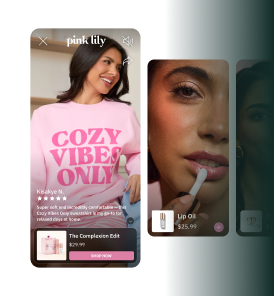
There is no true like-for-like Videowise alternative for Shopify. Most platforms cover only one use case, such as live shopping or UGC, while Videowise combines shoppable video, live shopping, UGC, AI-powered optimization, and analytics in a single native Shopify app. If you need a specific feature like live streaming only, Bambuser or Channelize may work. But for an all-in-one video commerce solution built for Shopify conversion, Videowise remains the strongest option.
Tolstoy is a popular shoppable video tool, but it lacks the depth of Videowise on performance optimization, UGC management, and analytics. Videowise also includes AI video compression, a native clip editor, and content performance tracking that Tolstoy does not offer. For brands looking to scale video commerce beyond basic shoppable widgets, Videowise is the more complete platform.
Some platforms like YouTube or Shopify's native video feature are free, but they lack conversion tools like product tagging, shoppable overlays, or performance analytics. Free tools are suitable for basic video hosting, not for driving ecommerce revenue. Videowise's pricing is built to deliver measurable ROI, and most brands see a significant lift in conversion rate within the first 90 days.
The most important factors are Shopify compatibility, the range of video formats supported (shoppable, live, UGC, stories), page speed impact, analytics depth, and total cost of ownership. Many Videowise alternatives require multiple tools to cover what Videowise handles natively. Look for a platform that integrates without slowing your store, connects to your existing content sources, and gives you data to optimize performance over time.
No. Videowise works for Shopify brands at every stage, from fast-growing DTC labels to enterprise retailers. The platform is designed to scale with your catalog and traffic, and the onboarding process is built so smaller teams can launch shoppable video without a developer. Over 900 Shopify brands use Videowise across categories including fashion, home, beauty, and electronics.
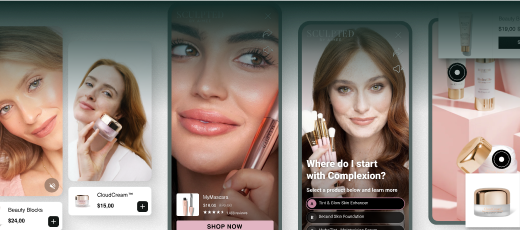


.jpg)
.jpg)