

.jpg)
In 2026’s hyper-competitive ecommerce landscape, optimizing your Shopify conversion rate is no longer optional, it’s essential for growth. Conversion rate refers to the percentage of visitors who take a desired action, such as completing a purchase or signing up for a newsletter. Even small percentage increases translate to significant profit gains over time. The following 12 tools represent the best Shopify conversion rate optimization solutions for modern, growth-focused brands looking to improve sales, streamline operations, and scale efficiently. Each app listed below was chosen based on integration quality, speed performance, revenue attribution, and scalability potential.
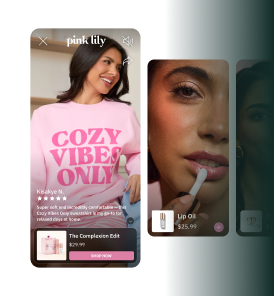
Shoppable video turns passive browsing into active discovery by letting shoppers buy directly from a video through embedded calls to action. It's less a widget than a merchandising layer: customers watch real product use, UGC, and styling content, then check out without ever leaving the page.
Videowise integrates natively with Shopify and has grown well beyond a video player. Alongside its shoppable video engine, AI Studio now lets merchants generate 180° spin videos, lookbook videos, image-to-video clips, and product try-on visuals directly from existing product photos, no camera crew required. Paired with real-time live shopping and built-in performance analytics, it unifies storytelling and measurement for fashion, beauty, and home brands without compromising site speed.
The results show up at scale. Clean beauty brand ILIA Beauty placed a shoppable video widget directly beneath the Add to Cart button on a wide, shade-driven product range, and an A/B test validated a +6.61% lift in revenue per session, +3.07% conversion rate, and +3.38% average order value. Men's apparel brand True Classic, which crossed $100 million in revenue within two years of launch, switched from Vimeo and now runs shoppable video across 700+ product pages at a 13% average conversion rate with a 70% completion rate. Page speed, historically the biggest objection to on-site video, hasn't been the tradeoff either brand expected.
Best use cases:
AI-driven popups analyze browsing behavior to deliver timely, relevant offers that maximize lead capture while minimizing disruption. Alia Popups uses automation and A/B testing to refine timing, message, and design in real time based on behavioral triggers such as exit intent or dwell time.
Starting at around $100/month, it suits stores needing intelligent onsite engagement while maintaining fast performance.
Accurate attribution, assigning credit for sales to the correct marketing channels, is essential in a post-privacy world. Triple Whale’s Triple Pixel provides first-party tracking to close data gaps left by iOS updates.
Starting at $149/month, its analytics dashboards consolidate spend, revenue, and lifetime value data across platforms, equipping brands to scale with clarity.
Core advantages:
User-generated content (UGC) adds transparency and authenticity. Yotpo centralizes AI-assisted review collection and syndication across platforms, helping brands strengthen social proof and trust.
Starting near $79/month, Yotpo also integrates with Klaviyo and Gorgias for retention and customer service alignment.
Top features:
Conversational SMS helps brands recover abandoned carts through natural two-way text interactions. TxtCart’s AI simulates a human sales associate—answering questions, sharing discounts, and closing sales.
With performance-based pricing from $29/month, you pay based on revenue recovered.
Use cases:
Upselling and cross-selling increase average order value by surfacing complementary or premium products. Rebuy personalizes these recommendations with AI models trained on browsing and purchase data.
Priced from $25/month, it connects directly with Shopify to power seamless on-site and post-purchase offers.
Shopify Email enables merchants to send branded campaigns directly from the dashboard, no external tool required. With 10,000 free emails monthly on paid plans, it’s cost-effective for early-stage brands.
Its direct customer sync ensures accurate segmentation, automated journeys, and real-time performance tracking without slowing page speed.
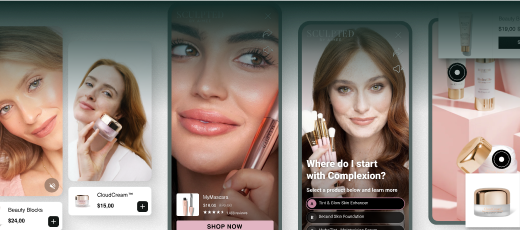
Visual review widgets showcase authentic customer photos and videos, reinforcing trust at crucial buying moments. Loox plans start free for 50 orders/month, scaling from $23/month (Basic) to $149/month (Business).
For visually driven niches (beauty, home, and fashion), it often lifts conversions by up to 25% by helping shoppers visualize real results and quality.
Judge.me stands out for affordability and simplicity. Its Free plan supports unlimited reviews, while the $15/month Awesome plan unlocks more widgets and customization.
Ideal for smaller stores, it offers strong value with photo reviews, star ratings, and Google-rich snippets that improve SEO visibility.
Okendo extends beyond basic reviews by collecting detailed product attributes (fit, comfort, and quality) to guide shoppers and personalize recommendations.
Free for 50 orders with paid tiers from $19 to $299/month, Okendo suits DTC and Shopify Plus merchants seeking unified UGC, loyalty, and insight tools.
Wishlists capture shopper intent and drive return traffic. Wishlist Hero handles this simply with minimal load impact.
It supports guest wishlisting, automated price-drop alerts, and stock notifications—all affordably priced. The result: stronger retention and repeat visits without slowing your store.
Subscriptions sustain predictable revenue but hinge on a polished customer experience. Skio simplifies subscription control through a passwordless customer portal, reducing churn and support workload.
Its intuitive interface and full Shopify integration suit consumables, supplements, and DTC brands focused on retention and lifetime value.
AfterShip transforms tracking into a branded retention channel. Customers view real-time order updates on tracking pages that promote cross-sells, loyalty offers, or upcoming launches.
Automated delivery alerts and on-page upsells keep engagement strong after checkout, improving satisfaction and repeat purchase rates.
Selecting the right CRO tools means balancing cost, performance, and measurable return. Use this quick framework:
For sustainable growth, every app in your stack should complement, not compete with, others. Minimize redundancy, monitor load times, and audit performance dashboards regularly. Here’s an example of a balanced setup:
Reassess tool performance and load time quarterly to ensure your conversion stack keeps driving ROI and seamless customer experiences as traffic scales. Do the same for any Shopify marketing tools you use!
The most impactful categories include video commerce, reviews, upsells, email/SMS marketing, pop-ups, and analytics, each improving a key stage of the buyer journey.
Visual reviews and personalization tools can raise conversion by up to 25%, while upsell and cross-sell apps often boost average order value by 15–25%.
Yes. When mobile-optimized and behaviorally triggered, pop-ups remain a top method for growing subscriber lists and reducing cart abandonment.
Track revenue attribution, recovered carts, and incremental order value. Most leading tools, including Videowise, provide built-in performance analytics.
Use lightweight, Shopify-native apps, monitor site speed routinely, and eliminate overlapping tools that duplicate functions.



.jpg)
.jpg)