.png)
.jpg)
DTC brands rely on two types of content:
While shoppers rely on brand content to understand what a product does, customer content gives them the confidence to buy.
In this blog, we'll explore why customer content has become one of the most influential assets in the buying journey, and how you can build a system that consistently turns customer interest into conversions.
Shoppers often turn to customer content on TikTok, Instagram, YouTube, or Reddit to get a clearer picture of how your product fits into everyday life and answers questions like:
Those answers reduce the uncertainty that often delays or prevents a purchase.
Customer content also provides social proof. A creator showing how a suitcase fits in an overhead compartment or a customer demonstrating how a standing desk fits into a small apartment answers practical questions that product photos and descriptions often leave unanswered.
Brands that actively collect and place these assets in the right touchpoints give shoppers the confidence to buy without forcing them to leave the buying journey to find answers elsewhere.
Customer content offers the most value when your shoppers are close to making a decision. By that point, they already understand what your product is. They just want enough confidence to click ‘buy.’
That’s why you need to place customer content at the right touchpoints across your customers’ buying journey:



But how do you make sure that shoppers come across customer content when they’re evaluating your products?
That's where Videowise fits in.
Instead of treating customer videos as social content with a short lifespan, Videowise lets brands surface shoppable videos across their storefront, including product pages, collection pages, and landing pages. Shoppers can see real product demonstrations while they're evaluating a purchase, without leaving your website.
Customer content becomes much easier to scale when it comes from people who already have a reason to talk about your brand.
Affiliates, creators, advocates, and loyal customers naturally create content as they recommend products to friends, followers, and their communities. That content is often more valuable because it shows the product in real-life situations and answers the same questions your buyers are asking.
Every review, tutorial, unboxing, or product demonstration adds to a growing library of customer content that can support future shoppers across your website.
Affiliate programs give you a repeatable way to generate customer content from people who already enjoy using your products and can influence other buyers.
Customer content delivers the most value when you manage it as a part of your broader strategy. That begins with identifying the people already influencing buying decisions and making it easier for them to keep creating and sharing content.
Here are a few ways to turn customer advocacy into a repeatable content engine:
Start with your customers, affiliates, creators, and brand advocates. They’re already posting about your products.
Social listening helps you find tagged posts, product mentions, reviews, and creator content that might otherwise go unnoticed. Instead of searching for new contributors every time you need content, build on relationships that already exist.
High-performing content doesn't always have the highest view count.
Look for videos, reviews, and product demonstrations that answer common questions, address objections, or show the product in everyday use. Those are often the assets that reduce hesitation and support conversion.
As your content library grows, make it easy to find the right assets for different products, campaigns, and buying stages.
A structured library saves time for your ecommerce, creative, and merchandising teams while making it easier to surface relevant content across your storefront.
Many of your best content creators can also become long-term growth partners. A customer affiliate program gives them a reason to keep recommending your products while creating a steady stream of fresh product videos, tutorials, and reviews that support future shoppers.
Platforms like Social Snowball make this easier by helping you identify affiliates and advocates already talking about your brand, track the content they're creating, and organize it into a searchable media library. Instead of managing content and affiliate relationships separately, you can build both from the same community.
Treat customer content as a conversion asset, not just a creative asset.
Look at how it influences product page engagement, click-through rates, add-to-cart actions, and conversion rates. Those insights help you decide which creators to invest in, which content to feature more prominently, and where new content is needed.
Brand advocacy creates far more than awareness. With the right process, it becomes a repeatable source of product education, social proof, and conversion-focused content that strengthens every stage of the buying journey.
Generating customer content is only part of the process. The next decision is where shoppers should see it.
Different touchpoints in the customer acquisition journey require different types of content. Someone discovering your brand for the first time needs a reason to keep exploring. Someone comparing products wants answers to specific questions. A shopper on a product page needs enough confidence to complete the purchase.
That means placement deserves just as much attention as content creation. Instead of treating every customer video or review the same, think about what each asset helps a shopper understand and where that information has the greatest impact.
For example:
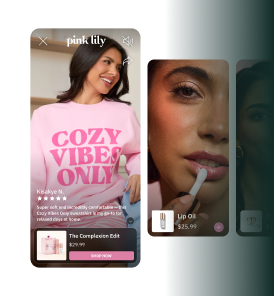
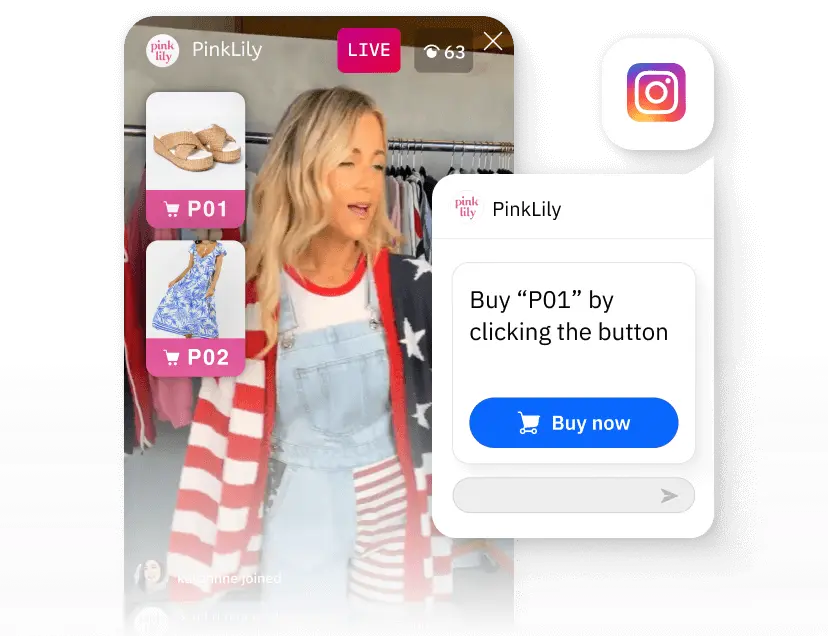
Videowise makes this easier by turning customer and creator videos into shoppable experiences across your storefront. Instead of leaving your best content on social media, you can place it where shoppers are actively evaluating products and deciding whether to buy.
Customer content has become an important part of how people evaluate products online. It answers practical questions, shows products in real-world situations, and gives shoppers the confidence to move forward with a purchase.
By recognizing their role in the buying journey, you can turn everyday customer experiences into a lasting competitive advantage.
That starts with building a system instead of collecting content whenever you need it. The brands seeing the greatest impact know who is creating valuable content, understand which assets influence buying decisions, and place that content where it helps shoppers most.
Together, Social Snowball and Videowise make that process much easier. Social Snowball helps you identify affiliates, creators, and advocates already talking about your brand, capture the content they're creating, and organize it into a searchable media library. Videowise helps you bring that content onto your storefront through shoppable videos and strategic placements that guide shoppers through the buying journey.
As ecommerce becomes more competitive, the brands that win won't just create more customer content. They'll build systems that continuously turn customer advocacy into product education, social proof, and buying confidence.
Ready to build a customer content engine that drives more sales? Book a demo with Social Snowball.
Customer content is any video, photo, review, or post created by real customers, creators, or affiliates rather than the brand itself. It includes unboxings, product demos, tutorials, and reviews shared on social platforms or collected directly from shoppers. Unlike brand content, which explains what a product is, customer content shows what it’s actually like to own and use.
Brand content is produced and controlled by the brand to explain a product’s features and promise. Customer content comes from people who already own or use the product, so it reflects real experiences rather than marketing claims. Shoppers tend to trust customer content more because it answers practical questions, like fit, durability, or ease of use, that brand content often doesn’t cover.
Customer content performs best when it’s placed at the moments shoppers are deciding whether to buy: product detail pages, collection and category pages, new product launch pages, and post-click landing pages. Placing it earlier in the funnel, like on a homepage, has less impact because shoppers there are still exploring rather than evaluating a specific product.
The most reliable source is people who already have a reason to talk about your brand: customers, affiliates, creators, and advocates. Setting up social listening and a customer affiliate program, like the ones Social Snowball helps you build, turns one-off mentions into a repeatable pipeline of reviews, tutorials, and demos instead of a one-time content push.
Videowise turns customer and creator videos into shoppable experiences across product pages, collection pages, and landing pages, so shoppers can watch real demonstrations and buy without leaving the site. Paired with a tool like Social Snowball that surfaces and organizes affiliate and creator content, brands get a full system for generating customer content and placing it where it actually influences purchase decisions.



.jpg)
.jpg)