.jpg)
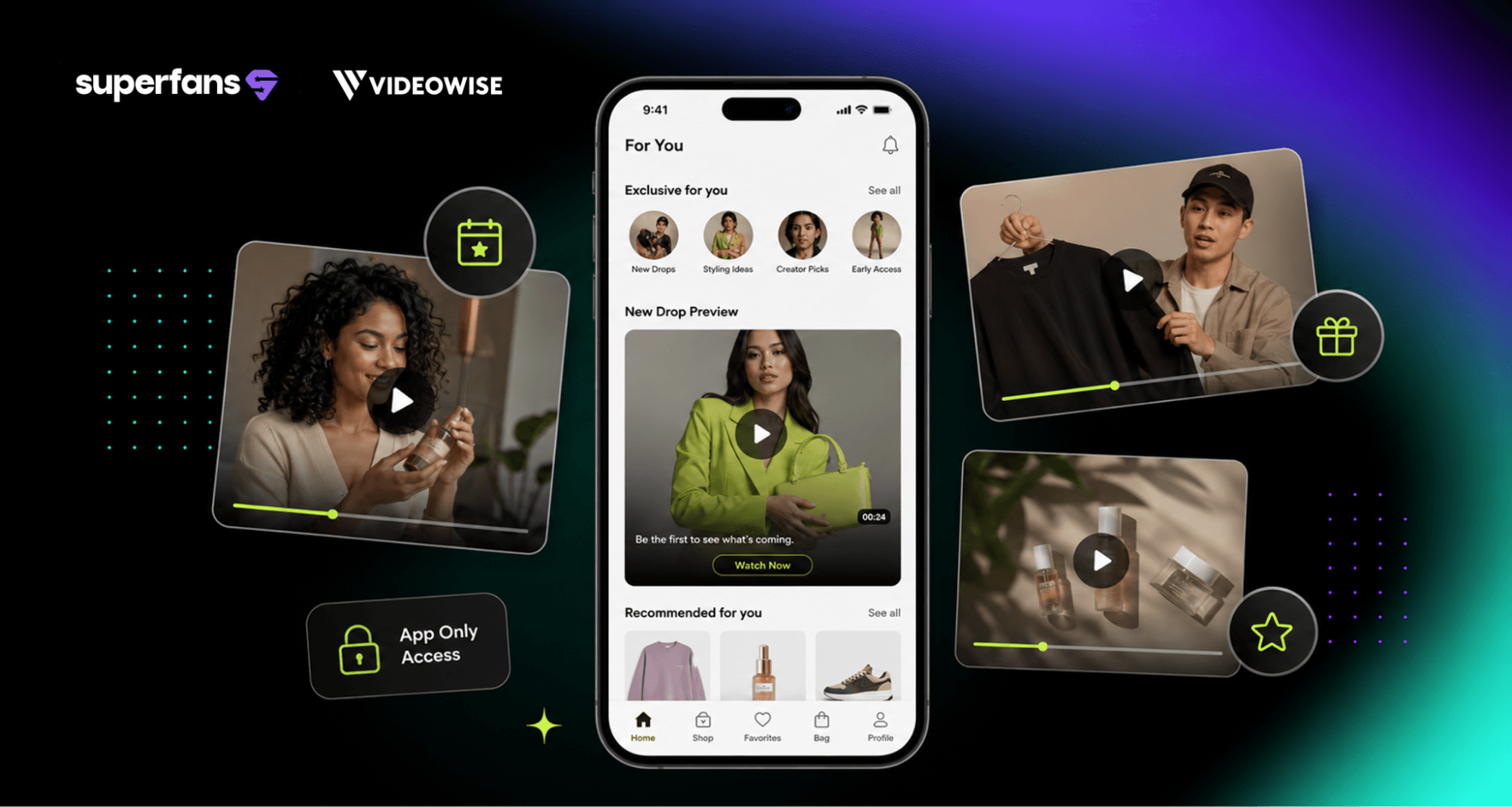
Video already plays a major role in how customers discover products and make purchase decisions. Brands use creator content, tutorials, and product videos to make products easier to understand and compare.
But most video experiences end after the first interaction. A customer watches a clip, places an order, and the journey resets the next time they return.
Mobile apps offer a different opportunity.
Instead of using video only to drive conversion, brands can use it to create continuity between purchases. A launch preview, creator styling video, or restock walkthrough tied to past behavior gives customers a reason to reopen the app, even when they’re not actively shopping.
Over time, these small interactions compound. Customers return more often, discover products faster, and stay connected to the brand between purchases.
In this guide, we’ll break down how ecommerce brands use exclusive video content in their mobile app to increase repeat visits, strengthen engagement, and keep customers coming back more consistently.
Video performs differently inside a mobile app because the session already carries intent.
On social platforms, attention moves quickly between creators, trends, ads, and recommendations. Most viewing behavior stays short and discovery-led. On ecommerce websites, sessions often end once the customer finishes browsing or completes a purchase.
Mobile apps create continuity between visits.
Customers return with browsing history, purchase behavior, saved products, and category preferences already connected to the experience. That context makes the video more actionable.
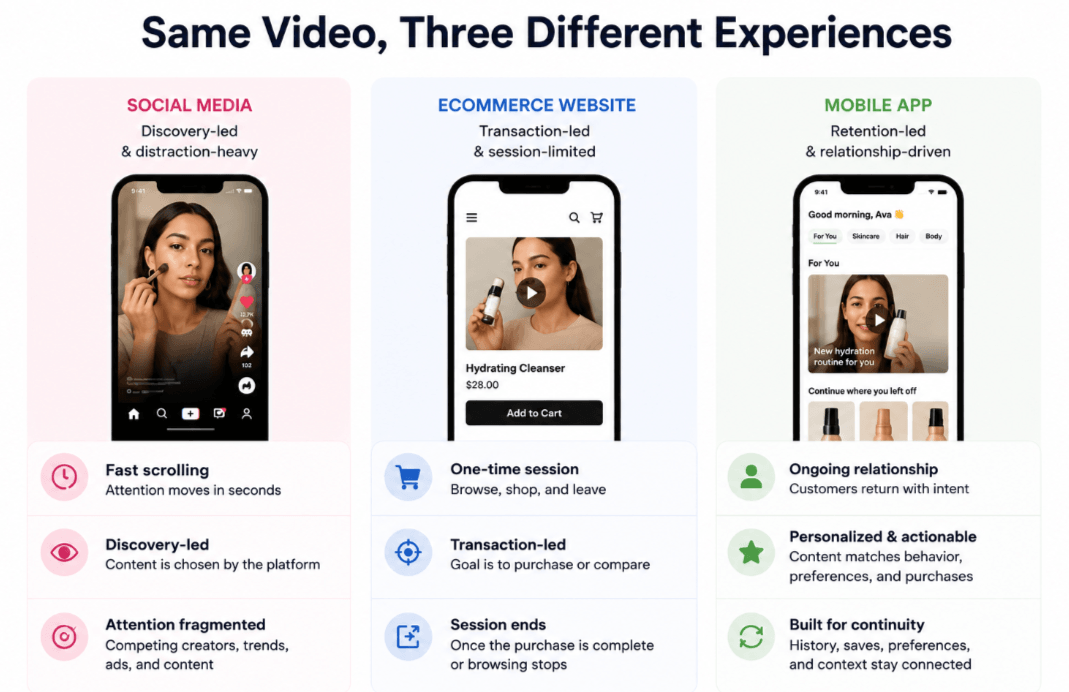
A customer watching a styling video can immediately explore matching products or save items for later. Someone viewing a supplement routine can reorder products, browse complementary bundles, or check new launches within the same session.
This changes the role that video plays in the customer journey.
Instead of functioning as standalone content, video becomes part of how customers browse, discover products, revisit categories, and return to the app over time.
That’s why exclusive video works especially well for retention. Brands can connect video to product drops, replenishment cycles, personalized recommendations, and early-access launches in ways that give customers a clear reason to reopen the app regularly.
Getting the install is the easy part. Getting customers to come back consistently is where most ecommerce apps struggle.
A lot of brands feel exactly the same every time someone opens their app.
A customer installs the app, browses around, maybe places an order, and then the experience starts to feel familiar very quickly. The same homepage shows up every time, product discovery slows down, and there’s little reason to check back regularly.
That’s where repeat visits start reducing.
Think about a customer who bought from a skincare brand three weeks ago. When they reopen the app, the experience should build on what they already purchased, showing a routine video, a refill reminder, or early access to an upcoming launch.
The same applies across fashion, supplements, beauty, or home brands. Customers return when the app reflects what they already care about. That relevance is what keeps the experience feeling fresh instead of transactional.
Repeat visits are often driven by small moments, such as:
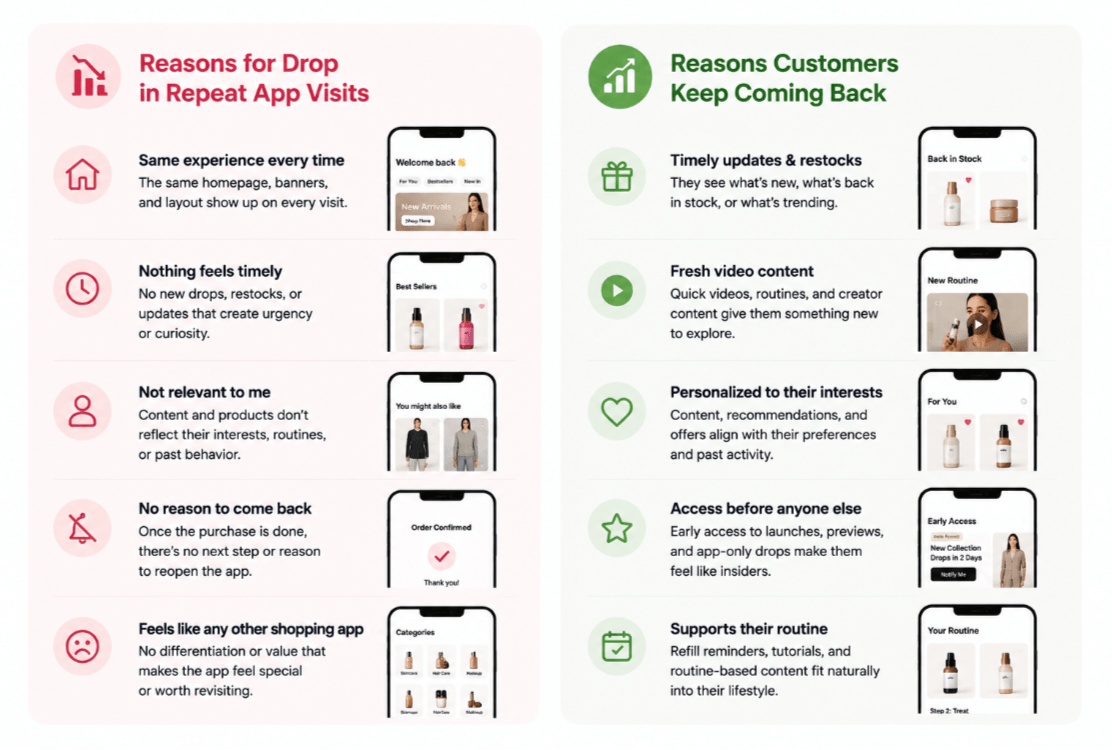
Over time, these interactions build familiarity and keep the brand part of the customer’s routine between purchases. Without that layer, the app becomes something customers open only when they need to buy again.
Most ecommerce brands already have enough products to drive repeat purchases. The bigger challenge is giving customers a reason to reopen the app between purchases.
Exclusive video solves that problem surprisingly well because it gives customers something new, relevant, and time-sensitive to check in for.
The best app experiences make customers feel like they’re getting access earlier, faster, or in a more personalized way than they would anywhere else.
That could look like:
The key is context.
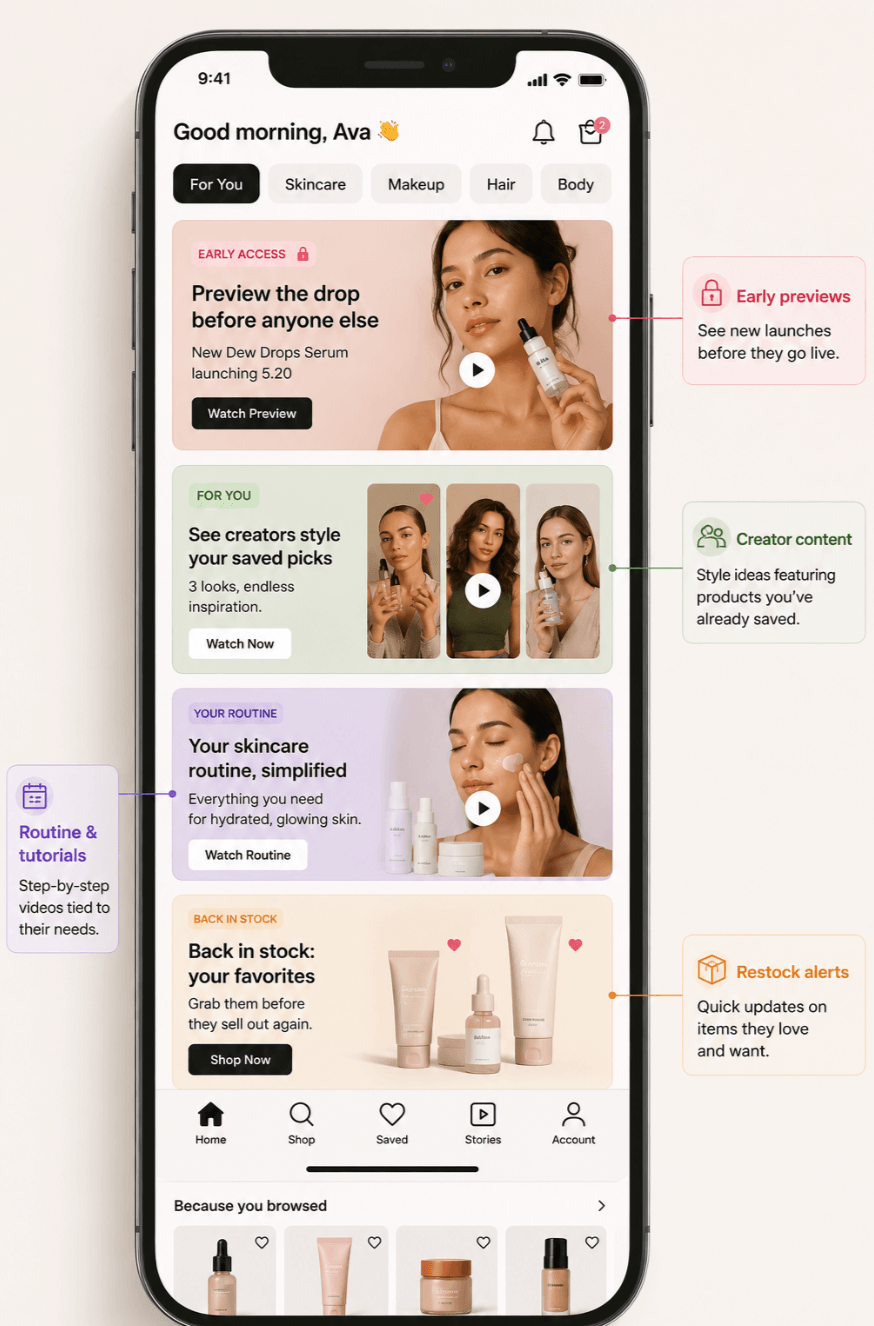
A customer who bought a hydration bundle last month should reopen the app and see content tied to that routine. Someone browsing oversized basics should start seeing launch previews, styling ideas, or complementary products related to that category.
That continuity is what makes the experience feel relevant instead of generic.
Most apps lose momentum because nothing changes between visits. Once a customer browses or buys, there’s little reason to come back until they need something again.
Having exclusive videos on your app changes this. It gives customers small but consistent reasons to reopen the app:
Those interactions feel lightweight, but they build repeat behavior over time.
A customer may open the app to watch a 15-second preview, browse related products, save something for later, and leave. That session lets the brand stay part of the customer’s attention cycle without needing an immediate purchase.
This becomes especially valuable for brands with limited drops, repeat-purchase products, seasonal collections, replenishment cycles, and strong creator or UGC strategies. Video keeps those moments visible between purchases.
Most importantly, you don’t need to constantly refresh your catalog to make the app feel fresh. Fresh content layered onto existing products can dramatically increase engagement between purchases.
That’s what makes exclusive video such a strong retention layer.
The content gives customers something relevant to engage with, and the exclusivity gives them a reason to come back.
Placement matters just as much as the video itself.
For example, a launch preview works differently from a product walkthrough, whereas a styling video creates a different type of engagement than a replenishment reminder.
The strongest mobile app experiences use video across multiple touchpoints so customers keep discovering something useful as they move through the app.
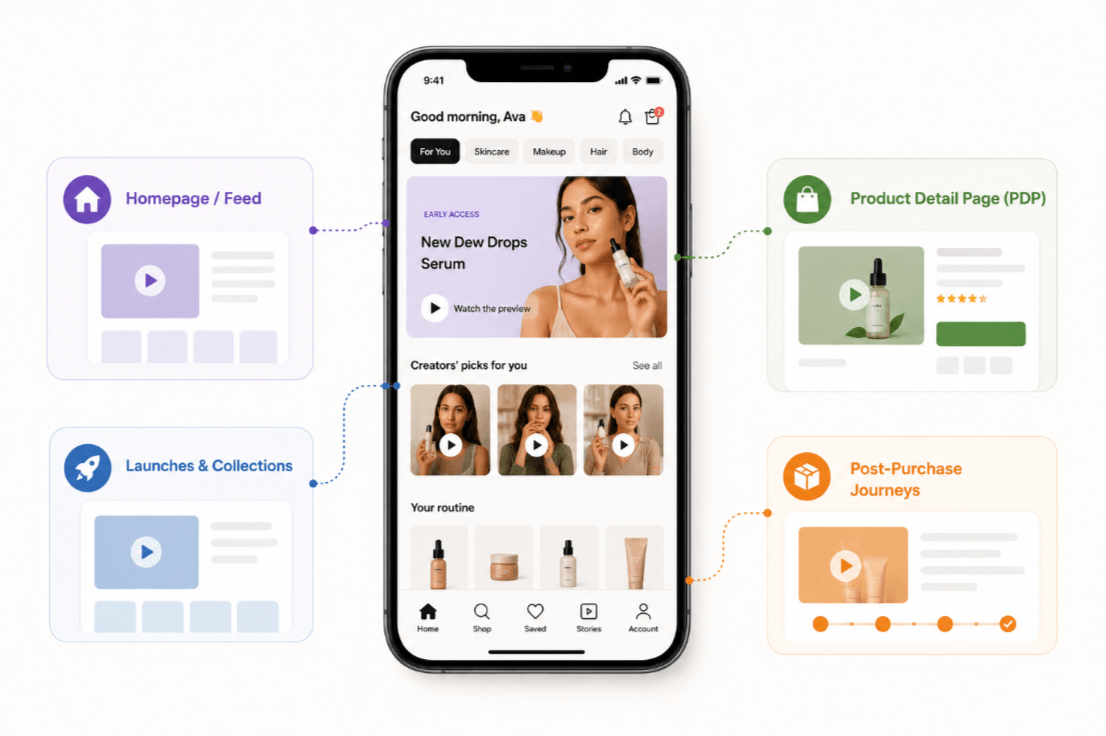
Here’s where video tends to drive the strongest engagement and repeat visits:
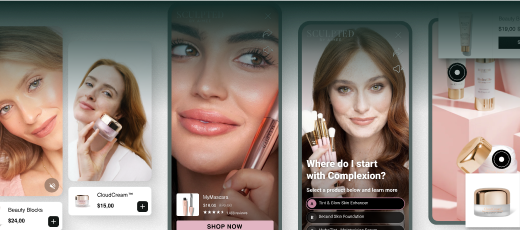
The homepage is usually where customers decide whether the app feels active or forgettable. Short-form videos on the homepage immediately give customers something to explore:
Even a few refreshed videos can make the app feel more current between purchases.
For example, a beauty brand might surface quick tutorials tied to new launches, while a fashion brand highlights styling clips for fresh arrivals or upcoming collections.
That behavior is important because repeat engagement often starts with browsing, not buying.
This is where video directly influences purchase confidence.
Customers already show intent on product pages, so video should help them move closer to a decision by reducing uncertainty and increasing product understanding.
The strongest formats here include:
A shopper buying supplements may want to see how a product fits into a daily routine. Someone buying apparel may want to understand movement, fit, or styling combinations before purchasing.
Shoppable video works especially well here because customers can move from watching to purchasing without leaving the page.
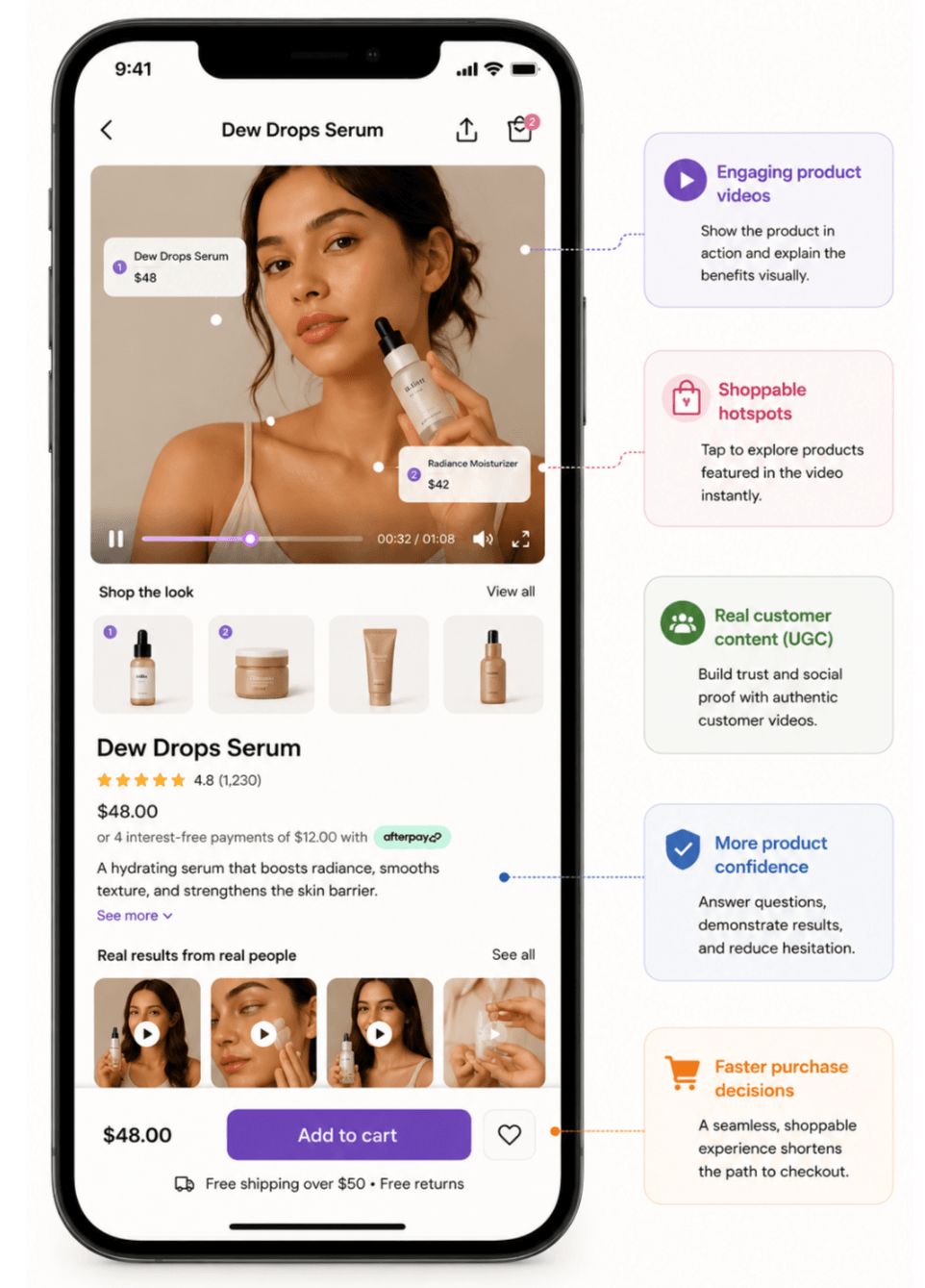
That shorter path between discovery and action often leads to faster purchase decisions, higher confidence, and lower hesitation around first-time purchases.
Platforms like Videowise make it easier by helping brands embed interactive and shoppable video experiences directly into PDPs and mobile journeys.
Video becomes especially powerful during launches because it builds anticipation before customers even start shopping.
Instead of relying only on static imagery to announce a drop, brands can use short previews to create momentum leading into the release:
This works particularly well within mobile apps because customers already associate the app with faster access, exclusivity, and repeat engagement.
A push notification saying: “Preview the new collection before everyone else” feels far more compelling when it leads directly into an app-exclusive video experience.
That combination of urgency and access gives customers a reason to reopen the app before the actual purchase moment begins.
Some of the highest-value engagement happens after the order is already complete.
Most brands lose momentum during this period because communication slows down until the next campaign or launch. Video helps keep the relationship active without forcing another purchase immediately.
This can include:
For example, a customer who purchased a cookware bundle may receive recipe videos tied to those products. Someone who bought skincare products may start seeing routines, layering guides, or refill reminders based on usage timing.
These interactions keep customers engaged with the brand even when they’re not actively shopping, which makes future visits feel more natural and consistent over time.
Adding video to your app is relatively easy. Making those videos consistently drive repeat engagement takes more intentional planning.
Brands with winning mobile app experiences use video to support specific customer actions, like reopening the app, exploring a category, revisiting a product, or completing a purchase.
Below are some best practices that tend to make the biggest difference:
Match the video to the reason the customer opened the app.
This keeps video aligned with immediate customer intent, making the experience feel more relevant.
Most customers are not ready to purchase every time they open your app. A big engagement opportunity is to create small reasons to return and stay engaged between buying moments.
Video works especially well here because it creates low-friction interactions that keep the brand top of mind without forcing a purchase.
For example:
The goal is to create quick engagement loops: watch → browse → save → return.
These smaller interactions keep customers connected to the brand and give them more reasons to return, even when they’re not ready to purchase yet.
Video performs best when customers know there’s something new waiting inside the app. Coordinate push notifications based video-led moments:
The message creates a reason to reopen the app, while the video gives customers something immediately useful or interesting to engage with once they arrive.
This becomes even more effective when prompts are tied to customer behavior. Someone browsing matching sets may receive styling videos tied to that category, while a customer who purchased skincare may get refill tutorials or routines aligned with expected usage timing.
Platforms like Superfans.io help brands orchestrate these return moments through behavior-triggered push notifications, personalized home screens, and app journeys that adapt based on browsing history, purchases, and engagement patterns.
Customers engage more when content reflects how they already shop.
Someone repeatedly browsing matching sets would engage more with styling videos tied to those categories. Similarly, a customer who purchased protein bundles may respond better to refill routines, usage tutorials, or complementary products connected to that purchase behavior.
This is how video starts actively improving retention. The app feels more relevant with every session because the experience adapts to what customers browse, purchase, and engage with most.
Mobile app sessions move quickly, so the video needs to communicate value almost immediately.
Most customers decide within seconds whether to keep watching, browse further, or leave the app altogether. That makes speed and clarity more important than polished storytelling.
Keep most videos short, ideally within the 5–20 second range and lead with the product in the first frame itself. Strong first-frame context usually performs better than slow intros, brand animations, or long creator setups.
Here’s what works best on mobile apps:
Every video should make the next step feel obvious. Customers engage more when they can move to action easily.
Use simple and direct CTAs like “Shop the look,” “Complete your set,” “View bundle,” or “See the full drop” to reduce friction.
Platforms like Videowise make this easier by letting brands embed shoppable video experiences directly into product pages, collections, and mobile journeys. When customers can move seamlessly from watching to browsing or purchasing, discovery feels more natural and conversion becomes easier.
Different placements drive different types of customer intent, so video format should adapt accordingly.
On the homepage, short, scrollable videos work best because the goal is discovery and exploration. These quick interactions help customers browse, discover products faster, and stay engaged longer.
On product pages, customers need more confidence before purchasing, so content should go deeper:
For push-led visits or launch campaigns, shorter urgency-driven previews tend to perform best since customers arrive with a clear intent.
The same video rarely performs consistently across every placement. Matching content format to customer intent at each touchpoint usually leads to stronger engagement, better discovery, and higher conversion.
The same video won’t work for every customer. Here’s why:
The closer the content aligns with where customers are in their journey, the more naturally the app keeps bringing them back over time.
A lot of brands already have strong video content. The issue usually comes from how that content gets used inside the app experience.
Here are some of the most common gaps that reduce repeat engagement over time:
Most ecommerce brands already create enough video content to keep customers engaged for weeks. The problem is that almost all of it disappears after the first interaction.
Mobile apps change the lifespan of that content.
A customer who opens your app three weeks after buying can still discover videos connected to the products they purchased, the categories they browse most, or the drop they were waiting for. Suddenly, the app feels active even when the catalog hasn’t changed much.
Over time, those small interactions build stronger retention since the app keeps evolving around customer behavior instead of resetting every session.
That’s where the combination of video and mobile retention becomes especially valuable.
Platforms like Videowise help brands create and embed high-performing shoppable video experiences across product pages, launches, and customer journeys. Mobile app platforms like Superfans.io help deliver those experiences through personalized home feeds, push notifications, launch reminders, and app journeys tied to how customers actually shop over time.
With video content, the app becomes more than a purchase channel. It becomes a touchpoint that customers actively return to discover what’s new, relevant, and worth engaging with next.
But turning video into repeat engagement takes more than content alone. Brands also need a way to personalize what customers see, connect video to real behavior, and create stronger reasons for customers to reopen the app over time.
That is where Superfans.io helps. The mobile app platform helps ecommerce brands build mobile app experiences designed around repeat engagement, from personalized feeds and push notifications to exclusive content and app-led journeys tied to real customer behaviour.
Book a demo to see how you can set up a mobile app experience with Superfans.io.
Mobile app sessions carry inherent intent because the app already knows a customer's browsing history, purchase behavior, and preferences. That continuity means video can link directly to product exploration, replenishment, or discovery in the same session, instead of competing for attention the way social feeds do.
Repeat visits drop when every session looks the same. If the app doesn't reflect what a customer actually cares about, restocking a favorite item, seeing new arrivals in their size, or catching a launch, there's no reason to come back between purchases. Small, relevant moments like product videos and category updates are what turn an app from transactional into something worth reopening.
Exclusive video gives customers a time-sensitive reason to come back: early previews, personalized styling videos, creator walkthroughs, or behind-the-scenes launch content they can't get anywhere else. The content only works as a retention lever if it's tied to that customer's browsing or purchase behavior. Generic video, even if exclusive in name, won't move the needle.
Four spots matter most: the homepage (refreshed short-form videos of new arrivals and trending products), product pages (styling videos, demos, and UGC that reduce purchase uncertainty), drops and launches (early-access previews that build anticipation), and post-purchase moments (how-to content and replenishment reminders that keep engagement going without pushing another sale).
Treating the app like another social feed. That means reposting the same social content without adapting it, uploading videos once and never refreshing them, and disconnecting video from what an individual customer has actually browsed or bought. Without video-led push notifications or a lifecycle-based content plan, there's nothing prompting customers to reopen the app in the first place.


.jpg)
.jpg)