

Table of Contents
- Introduction
- Defining the Modern Live Shopping Feature
- The Strategic Value of Live Commerce for Shopify Brands
- Key Components of a High-Performing Live Shopping Feature
- How to Implement a Live Shopping Strategy in 5 Steps
- On-Site vs. Social Platforms: A Functional Comparison
- Best Practices for Live Host Selection and Training
- Turning Live Events into Evergreen Shoppable Assets
- Measuring What Matters: Live Commerce Analytics
- Live Shopping Trends for 2026
- Conclusion
- FAQ
Introduction
Customer acquisition costs have reached a plateau where simply driving traffic to a Shopify store is no longer enough to sustain growth. Operators in 2026 are shifting their focus toward maximizing the value of every session through high-intent, interactive experiences. A live shopping feature has emerged as a critical tool for this transition, moving beyond simple entertainment to become a direct driver of conversion. At Videowise, we focus on helping brands transform these live interactions into measurable revenue by integrating them directly into the commerce journey. If you're evaluating the broader video stack, Videowise's shoppable video platform is a useful starting point. This guide explores how to evaluate, implement, and optimize a live shopping feature to move the needle on key business metrics. We will cover technical requirements, strategic placement, and the transition from live events to evergreen shoppable content.
Defining the Modern Live Shopping Feature
A live shopping feature is a technology that integrates real-time video broadcasting with native e-commerce functionality. Unlike standard video streaming, this feature allows shoppers to interact with products and complete purchases without leaving the video player. In 2026, the focus has shifted from "social-only" streams to "on-site" live commerce. For a deeper look at the format, the live shopping product tour shows how this works in practice.
This technical integration typically includes several moving parts: a low-latency video stream, a synchronized product overlay, a real-time chat interface, and a checkout bridge. The objective is to remove every possible point of friction between seeing a product in motion and adding it to the cart. For a Shopify brand, this means the live shopping feature must sync directly with your product catalog to ensure inventory levels and pricing are accurate in real-time.
The Technical Anatomy of a Live Stream
To understand how a live shopping feature functions, we must look at the infrastructure. Most standard streaming setups involve a significant delay between the host’s action and the viewer’s screen. In commerce, this delay kills the "moment of intent." High-performing live commerce features utilize low-latency protocols to ensure that when a host mentions a limited-time offer, the product tag appears on the viewer's screen at the exact same moment.
Furthermore, the feature should support responsive design. In 2026, over 80% of live shopping occurs on mobile devices. If the interactive elements—like the "Buy Now" button or the chat box—overlap awkwardly on a vertical screen, the Conversion Rate (CVR), or the percentage of visitors who make a purchase, will suffer.
On-Site vs. Social Platform Features
Brands often choose between hosting their live events on social platforms like TikTok or Instagram and hosting them directly on their own websites. Social platforms offer reach, but they often "rent" you the audience. On-site live shopping features allow you to own the data and the customer journey. If social is part of the mix, the social commerce feature covers comment-to-buy and cross-channel selling.
Quick Answer: A live shopping feature is an interactive video tool that allows customers to view products and purchase them directly within a live stream. It differs from traditional video by integrating real-time product tagging and checkout capabilities.
The Strategic Value of Live Commerce for Shopify Brands
For a growth manager or ecommerce director, the decision to implement a live shopping feature is rarely about "brand awareness." It is about improving the bottom line. The revenue case for live shopping rests on three primary metrics: Conversion Rate (CVR), Average Order Value (AOV), and Revenue Per Session (RPS). For operators focused on measurement, Content Performance analytics helps connect video to revenue.
Moving Beyond Vanity Metrics
Engagement metrics like "likes" or "views" are often misleading. A live stream with 10,000 views that produces zero sales is a failure for a performance-focused brand. Modern features allow us to track influenced revenue—where a user watches a stream and purchases later—and direct revenue, where the purchase happens during the broadcast. For a practical framework on measurement, How To Track Shoppable Video Performance on Shopify is a helpful companion guide.
In our experience, brands typically see a significant lift in CVR when they move from static Product Detail Pages (PDPs) to interactive live sessions. The reason is simple: live video answers the questions that text cannot. Shoppers can see the texture of a fabric, the scale of a home goods item, or the application of a beauty product in real-time.
Shortening the Path to Purchase
Every click added to a checkout process increases the chance of abandonment. An effective live shopping feature utilizes "In-Player Checkout" or "Side-Cart" functionality. This allows the shopper to add an item to their cart and even complete the transaction while the video continues to play in a picture-in-picture mode. By keeping the shopper in the "entertainment" zone while they are in the "buying" zone, brands can maintain the emotional momentum of the purchase.
Key Takeaway: The true value of a live shopping feature is its ability to reduce the time-to-purchase by addressing customer objections in real-time through interactive video.
Key Components of a High-Performing Live Shopping Feature
Not all live commerce tools are created equal. When evaluating a live shopping feature for your Shopify store, several non-negotiable elements define success. If you want a broader planning lens, Interactive Video for Ecommerce is a useful companion guide.
Integrated Product Overlays
The core of the experience is the product overlay. This is the interactive card that pops up when a host discusses a specific SKU. It should include the product name, price, and a clear call to action (CTA). Ideally, these overlays should be "shoppable," meaning the user doesn't have to navigate to a new page to see details. High-end features allow users to select variants, such as size or color, directly within the video interface.
Performance-First Video Delivery
A common concern among ecommerce directors is that adding video will slow down their site. This is a valid fear. Page speed is directly tied to SEO and user experience. A superior live shopping feature uses viewport loading and efficient encoding to ensure that the video player only loads when needed. It must maintain a high score on Core Web Vitals, specifically Largest Contentful Paint (LCP), which measures how long it takes for the main content on a page to become visible to the user.
Real-Time Interactive Data
Operators need to see what is happening while the cameras are rolling. A robust live feature provides a real-time dashboard showing:
- Current active viewers.
- Click-through rate (CTR) on featured products.
- Real-time cart additions.
- Chat sentiment.
This data allows the host or the moderator to pivot. If the data shows that a specific product is getting high clicks but low additions to the cart, the host can address potential price concerns or provide more detail on that specific item immediately.
How to Implement a Live Shopping Strategy in 5 Steps
Implementing a live shopping feature requires more than just technical setup; it requires an operational workflow.
Step 1: Select Your Strategic Focus. / Determine if the event is a product launch, a flash sale, or an educational workshop. The objective dictates the featured products and the style of the host.
Step 2: Connect Your Shopify Catalog. / Ensure your live shopping feature is synced with your Shopify backend. This prevents the "out-of-stock" nightmare where customers try to buy items that are no longer available.
Step 3: Choose and Train Your Host. / Select someone who understands your product and can handle live interaction. They do not need to be a celebrity; they need to be an expert who can answer technical questions on the fly.
Step 4: Execute a Multi-Channel Promotion. / Use email, SMS, and social teasers to drive traffic to the live page. The most successful events often have a "waiting room" with a countdown to build anticipation.
Step 5: Transition to Evergreen Content. / After the live event ends, use your platform to save the recording. Transform the most high-converting segments into AI Clips for your PDPs or homepage.
Bottom line: Success in live commerce is 30% technology and 70% preparation and post-event repurposing.
On-Site vs. Social Platforms: A Functional Comparison
| Feature | On-Site Live Shopping | Social Platform (TikTok/IG) |
|---|---|---|
| Data Ownership | 100% Brand-owned | Platform-owned |
| Checkout Friction | Native to your Shopify cart | Often requires platform-specific setup |
| Brand Control | Full control over UI/UX | Limited to platform templates |
| Audience Reach | Requires active driving of traffic | Built-in discovery algorithm |
| SEO Impact | Boosts on-site time and ranking | Zero impact on store SEO |
| Analytics | Full-funnel attribution | Basic engagement metrics |
Best Practices for Live Host Selection and Training
The host is the face of your live shopping feature. Many brands make the mistake of hiring influencers with large followings but little product knowledge. In 2026, shoppers value authenticity and expertise over "clout."
The "Expert Over Influencer" Model
A growth manager at a skincare brand might find that their lead product formulator converts better than a famous beauty influencer. Why? Because the formulator can explain the "why" behind an ingredient. This builds the trust necessary to drive high Average Order Value (AOV). See how that plays out in practice in Sacheu's PDP shoppable video case study.
When training hosts, focus on these three areas:
- Product Handling: How to show the product clearly on camera.
- Objection Handling: How to read the chat and answer questions like "Will this fit a small apartment?" or "Is this safe for sensitive skin?"
- The CTA Rhythm: Reminding viewers how to shop without sounding like a traditional TV salesperson.
Moderation is the Unsung Hero
Behind every successful live shopping feature is a moderator. This person manages the chat, handles customer service questions, and pushes the product overlays at the correct time. The moderator allows the host to stay focused on the camera while the backend logistics remain smooth.
Turning Live Events into Evergreen Shoppable Assets
One of the biggest mistakes brands make is treating live shopping as a "one-and-done" event. The content produced during a one-hour live stream is a goldmine for your store. For a real example of live content turning into revenue, see Andar's live shopping case study.
Using Videowise, operators can take a recorded live session and break it down into smaller, bite-sized "AI Clips." These clips can then be placed on relevant collection pages or PDPs. For example, a three-minute segment where the host explains the durability of a hiking boot can be embedded directly on that boot's product page.
The Power of Repurposing
This strategy significantly improves the Return on Investment (ROI) of the live event. Instead of the content disappearing after the stream ends, it becomes a permanent part of your sales funnel.
- PDP Integration: Short clips answering specific FAQs.
- Email Campaigns: Links to the "best moments" that are fully shoppable.
- SMS Marketing: Sending a "re-watch" link to customers who missed the live drop.
Myth: Live shopping is only for "event-based" marketing. Fact: The best brands use live shopping as a content factory to create shoppable videos that drive revenue 24/7 across their entire site.
Measuring What Matters: Live Commerce Analytics
To justify the investment in a live shopping feature, you must move beyond the "view count." You need a clear picture of how the feature contributes to your Revenue Per Session (RPS). A strong benchmark comes from Skullcandy's shoppable video case study.
Direct vs. Influenced Revenue
Direct revenue is easy to track—the user clicked the overlay and bought the item during the stream. However, influenced revenue is often higher. This occurs when a user watches the stream, doesn't buy immediately, but returns to the site within 24–48 hours to complete the purchase. A high-quality live shopping feature will track these users via attribution cookies, giving you a true sense of the feature's impact. If you want the measurement framework itself, Live Video Commerce: The Complete Guide is a good next read.
Technical Performance Metrics
You should also monitor the impact on your store’s health. We believe that video should never come at the cost of performance. Monitor your:
- Load Times: Is the video player slowing down the initial page load?
- Buffer Rates: Are users dropping off because the stream is lagging?
- Mobile Interaction Rate: Are mobile users engaging with the chat and overlays at the same rate as desktop users?
Our performance-first infrastructure is designed to ensure that while the live shopping feature is active, your Core Web Vitals remain in the green. This is crucial for maintaining your SEO rankings while simultaneously increasing your on-site conversion.
Live Shopping Trends for 2026
As we move through 2026, several trends are defining the future of the live shopping feature.
AI-Enhanced Interactivity
AI is no longer just a buzzword in live commerce. It is being used to power real-time chat translation, allowing a brand based in the US to sell to a global audience in their native languages. AI is also assisting moderators by automatically flagging and answering common customer service questions in the chat, freeing up human moderators for more complex tasks.
Multi-Stream Syncing
Brands are increasingly "simulcasting." This means the live shopping feature allows the brand to go live on their website, TikTok, and YouTube simultaneously. However, the "on-site" experience remains the premium destination because it offers the most frictionless checkout and the most detailed product information. For a broader education path around on-site video deployment, How to Use Shoppable Videos on Your eCommerce Store is a solid cross-link.
Personalization in the Stream
Imagine a live stream where the products shown in the overlay change based on the viewer’s past purchase history. This level of personalization is becoming the standard for enterprise Shopify brands. It ensures that the live shopping feature is as relevant as possible to every individual viewer.
Key Takeaway: The future of live shopping is personalized, high-performance, and deeply integrated into the existing ecommerce tech stack.
Conclusion
The live shopping feature is no longer an experimental "nice-to-have" for Shopify brands. It is a fundamental shift in how digital commerce functions—moving from a static catalog to a dynamic, interactive experience. By focusing on revenue-first metrics like CVR and AOV, and ensuring that your video strategy doesn't compromise page speed, you can turn your store into a high-converting broadcast station.
We built our platform to solve the technical and operational hurdles that often stop brands from scaling their video efforts. Whether you are running a massive product drop or building a library of expert-led shoppable clips, the goal is always the same: turn engagement into measurable revenue.
Your Next Step: Ready to see how a performance-first live shopping feature can scale your revenue? Install Videowise from the Shopify App Store.
If you'd rather see the platform mapped to your own store, book a demo to explore our AI-powered video commerce platform.
FAQ
Does a live shopping feature slow down my Shopify store?
A poorly implemented video tool can impact page speed, but high-quality platforms use viewport loading and performance-first infrastructure to maintain Core Web Vitals. This ensures that the video player only loads resources when the user is ready to interact with it.
How do I measure the ROI of a live shopping event?
Success should be measured by Direct Revenue (purchases during the stream) and Influenced Revenue (purchases made shortly after watching). Key metrics to track include Conversion Rate (CVR), Average Order Value (AOV), and Revenue Per Session (RPS).
Do I need a professional studio to use a live shopping feature?
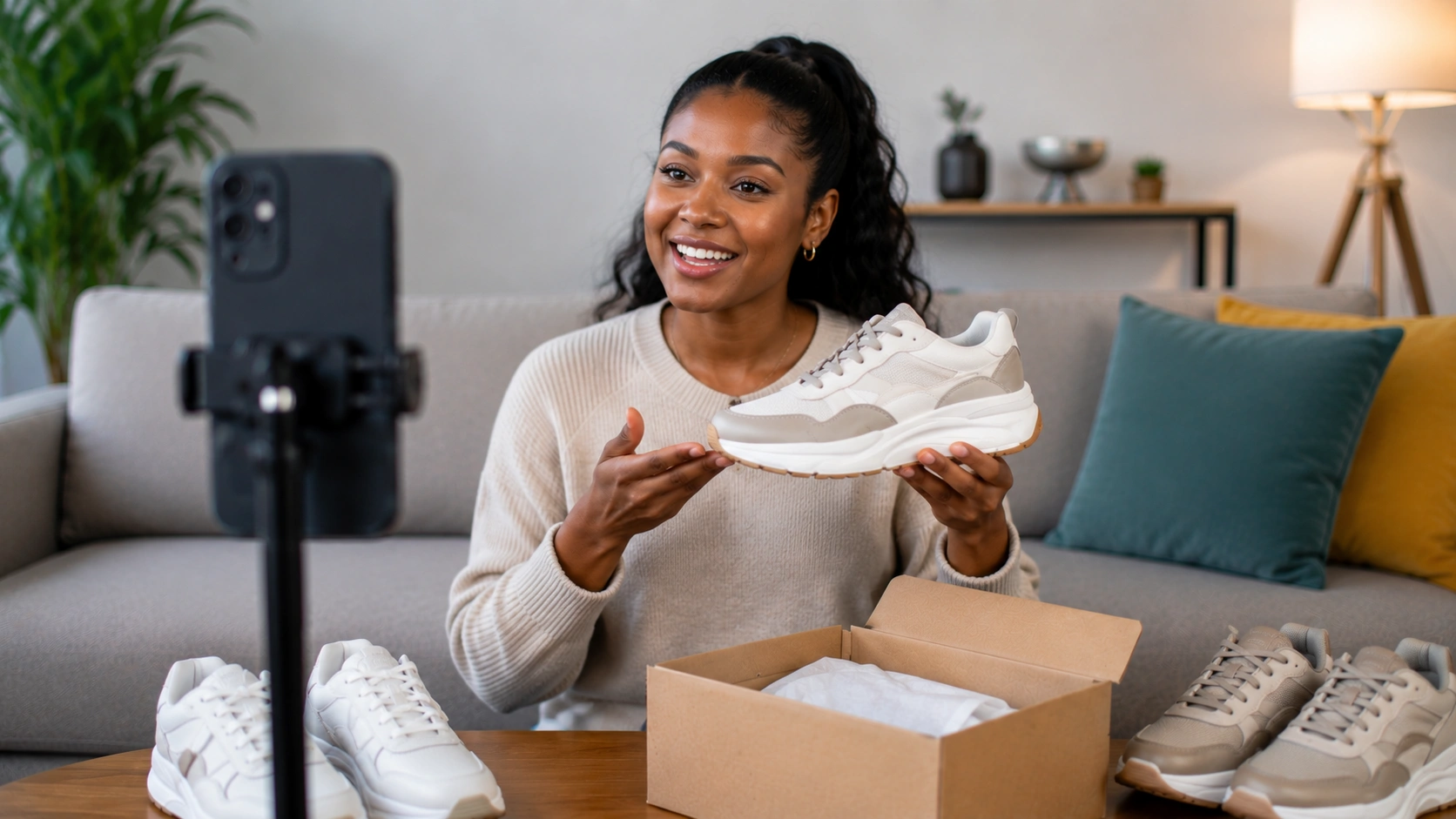
No, many of the most successful live commerce events are shot with a high-quality smartphone and basic lighting. Shoppers in 2026 often prefer the "authentic" feel of a real person in a warehouse or office over a highly produced, clinical studio environment.
Can I repurpose my live streams into other content?
Yes, this is a core strategy for maximizing ROI. You can use AI-powered tools to clip segments of your live event and turn them into shoppable video carousels for your Product Detail Pages or homepages, keeping the content evergreen.
.webp)


