

Table of Contents
- Introduction
- Defining Live Shopping in the 2026 Landscape
- The Economic Case: Why Live Commerce Drives Revenue
- How the TikTok Live Shopping Ecosystem Functions
- Strategic Planning: From Concept to Broadcast
- Measuring Impact: Metrics That Actually Move the Needle
- Scaling Beyond the Live Event
- Conclusion
- FAQ
Introduction
Customer acquisition costs continue to climb as traditional social advertising faces diminishing returns. Ecommerce operators are increasingly moving away from passive "scroll-and-click" models toward interactive, high-intent experiences. TikTok live shopping has emerged as a primary driver for this shift, allowing brands to collapse the funnel by combining entertainment with real-time checkout. At Videowise, we focus on turning these high-engagement video moments into measurable revenue for Shopify brands. This guide explains how live shopping on TikTok works, why it is a critical revenue channel in 2026, and how to integrate it into a broader shoppable video strategy. We will cover everything from technical requirements to performance measurement, ensuring you can scale your live commerce operations effectively.
Quick Answer: Live shopping on TikTok is a social commerce feature that allows brands to broadcast real-time video content while viewers purchase products directly within the app. By integrating a TikTok Shop with live streaming, businesses can use product pins and in-app checkouts to convert viewers without requiring them to leave the stream.
Defining Live Shopping in the 2026 Landscape
TikTok live shopping is an ecommerce experience where brands promote products through real-time video broadcasts. It is the digital evolution of television shopping channels, reimagined for a mobile-first, socially driven audience. Unlike standard video ads, live shopping is two-way. Viewers can ask questions about sizing, request to see specific product angles, and receive immediate feedback from the host.
The core of this experience is the integration of the product catalog. When a brand goes live, they can "pin" specific products to the screen. These pins act as interactive links that open a product detail page within the TikTok interface. In 2026, the friction between discovery and purchase has been almost entirely removed, as the app stores payment information and shipping details for one-tap transactions. For the mechanics behind that experience, see Videowise's live shopping platform.
This format thrives on authenticity. While high-production value has its place, the most successful live streams often feel like a conversation. This peer-to-peer energy builds trust faster than a static image or a pre-recorded advertisement ever could. For Shopify retailers, this means the live stream is not just a marketing event; it is a high-velocity sales floor.
The Economic Case: Why Live Commerce Drives Revenue
For a growth manager or ecommerce director, the value of live shopping is measured in three core metrics: Conversion Rate (CVR), Average Order Value (AOV), and Revenue Per Session (RPS). CVR represents the percentage of viewers who make a purchase. AOV tracks the average dollar amount spent per order. RPS measures the total revenue generated divided by the number of unique sessions. For a real-world example, see how Andar generated $134K in 3 hours with live shopping.
Live shopping typically outperforms standard social commerce because it leverages social proof in real-time. When a viewer sees a "sold out" notification or watches others in the chat mention they just bought an item, it creates a psychological "herd effect." This urgency naturally drives higher conversion rates.
Key Takeaway: Live shopping collapses the traditional marketing funnel by combining awareness, consideration, and conversion into a single, synchronized event that lasts anywhere from 30 minutes to several hours.
Furthermore, live shopping is an effective tool for increasing AOV. Hosts can demonstrate how different products work together—such as a skincare routine or a coordinated outfit—encouraging viewers to add multiple items to their cart. Because the checkout process is integrated, there is less "cart abandonment" than a typical mobile web experience where page load speeds or complex forms might deter a buyer.
How the TikTok Live Shopping Ecosystem Functions
To execute live shopping, a brand must first establish a TikTok Shop. This acts as the backend infrastructure for all commerce activities on the platform. Once the shop is synced with your Shopify catalog, the products become available for use in live sessions. For brands that want to extend that behavior across channels, Videowise's social commerce platform connects video and checkout.
Technical Requirements and Integration
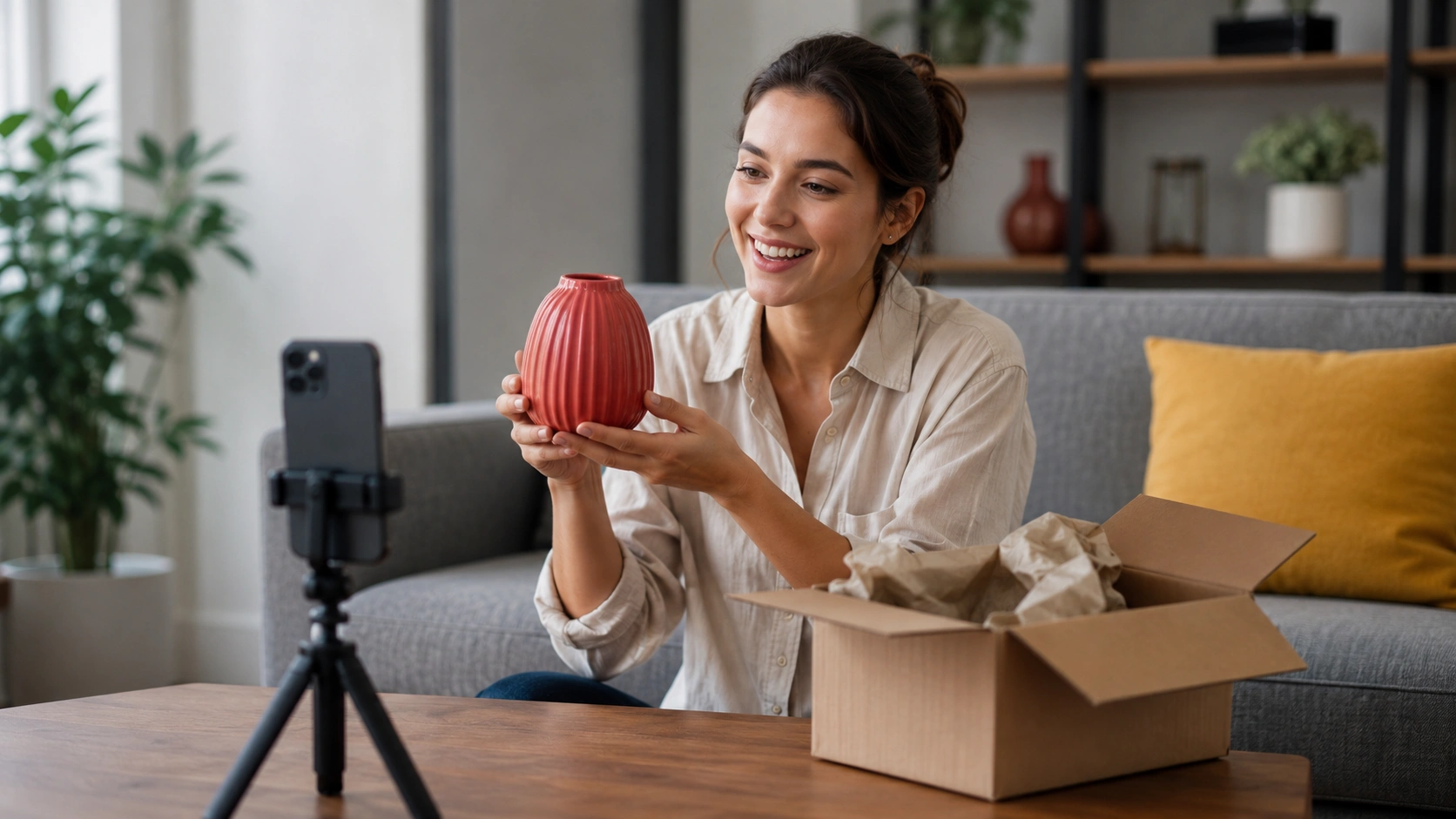
The technical barrier to entry is lower than many operators assume. While professional setups use encoders and multi-camera arrays, many successful brands start with a high-end smartphone and a stable internet connection.
- TikTok Seller Center: This is where you manage your product listings, shipping templates, and financial reporting.
- Product Anchors: During the live stream, the host or a moderator selects products from the "shopping bag" icon to anchor them to the bottom of the screen.
- In-App Checkout: The transaction occurs entirely within the TikTok ecosystem, which provides a fast, mobile-optimized payment flow.
If Shop App is part of your rollout, Live Shopping Inside Shop App With Videowise shows how to extend the same event into another discovery channel.
The Role of GMV Max
In 2026, TikTok has moved toward automated campaign types like GMV Max. This is an AI-powered ad solution that optimizes your live shopping ads for Gross Merchandise Value (GMV). It automatically distributes your budget across different placements—like the "For You" feed and the "Shop" tab—to find users most likely to purchase during your live event. This reduces the manual workload for performance marketers, allowing them to focus on creative strategy rather than granular bid adjustments.
Strategic Planning: From Concept to Broadcast
Success in live shopping requires more than just hitting the "Go Live" button. It requires a structured approach to content and a clear understanding of your audience's behavior. If you want a walkthrough before launch, book a demo.
Choosing Your Host
The host is the face of your brand during the event. You have three primary options:
- In-House Talent: Using a founder or a dedicated staff member. This is cost-effective and ensures deep product knowledge.
- Professional Streamers: Hiring hosts specifically trained in the "live selling" format. They are experts at maintaining energy and driving sales.
- Influencers and Creators: Partnering with established TikTok personalities. This allows you to tap into their existing follower base and benefit from their established trust.
Structuring the Run of Show
A live stream should not be aimless. A "run of show" document keeps the event on track. This usually involves:
- The Hook: An engaging opening that explains what the viewers will see and any exclusive offers available.
- Product Demonstrations: Highlighting 3–5 core products in detail, focusing on benefits rather than just features.
- Q&A Segments: Actively answering questions from the chat to remove purchase barriers.
- The Close: A final recap of the featured items and a clear call to action to complete checkout before the stream ends.
Myth: You need a professional television studio to succeed at live shopping. Fact: Authentic, well-lit mobile streams often outperform overly polished productions because they feel more genuine to the TikTok environment.
Measuring Impact: Metrics That Actually Move the Needle
Operators often get distracted by vanity metrics like "total views" or "likes." While these indicate reach, they do not necessarily correlate with business growth. To understand the true ROI of your live shopping efforts, you must look at deeper attribution data. Videowise's Content Performance analytics helps tie those interactions back to revenue.
We recommend tracking Influenced Revenue. This includes sales made during the stream and sales made by viewers within a specific window (e.g., 24–48 hours) after watching. Many shoppers will engage with a live stream to learn about a product but may choose to complete their purchase on your main website later.
If you want a deeper playbook for attribution, How To Track Shoppable Video Performance on Shopify With Videowise breaks down the measurement approach in more detail. You should be looking for a high Revenue Per Session (RPS), which indicates that your content is effectively filtering for high-intent buyers rather than just casual browsers.
Scaling Beyond the Live Event
One of the biggest mistakes brands make is treating live shopping as a one-off event. The content generated during a 60-minute live stream is a goldmine for your other channels, and AI Clips can turn that long-form content into reusable assets.
Repurposing Content
A single live stream can be cut into dozens of short-form videos. These "AI Clips" can be used as:
- Standard TikTok ads.
- Organic posts.
- Shoppable video on your Shopify product pages.
By using the social commerce features within our platform, you can easily import your best live moments and UGC (User Generated Content) into a centralized library. From there, you can tag products and deploy that video back onto your site. This ensures that the high-converting energy of a live stream continues to drive revenue long after the broadcast has ended. For a brand example, see how Sacheu increased total orders with PDP shoppable video carousels.
Maintaining Performance
As you scale your video content, you must remain vigilant about site performance. Many brands worry that adding more video to their store will slow down their page load times or hurt their Core Web Vitals (a set of metrics Google uses to measure user experience, including loading, interactivity, and visual stability).
We have built our infrastructure to be performance-first. This means that whether you are hosting a live stream or embedding shoppable clips on your PDPs (Product Detail Pages), your store remains fast and responsive. High-speed video delivery is not just a technical preference; it is a conversion requirement. A one-second delay in page load can significantly decrease your CVR. That performance-first approach mirrors how Skullcandy achieved a 7.9% RPS increase with shoppable videos.
| Format | Primary Goal | Key Metric |
|---|---|---|
| Live Shopping | High-velocity sales | GMV / Revenue Per Session |
| Shoppable PDP Video | Conversion at point of sale | CVR Lift |
| UGC Carousels | Social proof & Trust | Add-to-Cart Rate |
| Live Shopping Ads | New customer acquisition | ROAS / CPA |
Conclusion
Live shopping on TikTok is no longer an experimental tactic; it is a foundational component of a modern ecommerce strategy. By merging entertainment with a frictionless checkout process, brands can drive significant lifts in CVR and AOV. However, the true power of live commerce lies in its integration with your broader digital ecosystem.
Success requires a balance of authentic storytelling, technical preparation, and rigorous data analysis. Videowise is built to help you bridge the gap between social engagement and on-site revenue, ensuring that every video asset you create—whether it's a live stream or a short-form clip—becomes a measurable driver of growth. To see how our platform can turn your video content into a high-performance sales channel, install Videowise from the Shopify App Store.
If you want a tailored walkthrough before you commit, book a demo.
FAQ
How do I enable live shopping on my TikTok account?
To enable live shopping, you must first set up a TikTok Shop through the Seller Center and link it to your Shopify store. Once your shop is approved and your products are synced, you will gain access to the "Shopping" tab in the TikTok Live interface, allowing you to pin products during your broadcasts. You must also meet TikTok's minimum follower requirements and age restrictions to go live. For the channel setup, TikTok Shop shoppable videos cover how Videowise supports that workflow.
Does live shopping slow down my Shopify store's performance?
Live shopping on TikTok occurs within the TikTok app, so it does not directly affect your store's page speed. However, if you repurpose that live content as shoppable video on your website, you should use a performance-optimized platform. Videowise's shoppable video platform is designed to keep video delivery fast while still providing high-quality video experiences.
What is the difference between live shopping and shoppable video?
Live shopping is a synchronous, real-time event where the host interacts with a live audience to sell products. Shoppable video is typically asynchronous, pre-recorded content (like a product demo or UGC) that features interactive tags allowing viewers to buy at any time. Both are essential parts of a video commerce strategy, but they serve different roles in the customer journey. If you want a broader overview, Shoppable Video: The Complete Guide (2026) is a helpful next step.
How do I measure the success of a TikTok live shopping event?
Beyond simple view counts, you should measure Gross Merchandise Value (GMV), Conversion Rate (CVR), and Revenue Per Session (RPS). It is also important to track influenced revenue—sales that happen on your main website after a user watches a live stream. How To Track Shoppable Video Performance on Shopify With Videowise explains how to attribute those outcomes back to the original video content.
.webp)


