

Table of Contents
- Introduction
- Why Live Stream Shopping Apps Are Critical for 2026 Growth
- Core Features of High-Performing Live Shopping Platforms
- The 10 Best Live Stream Shopping Apps for Shopify Brands
- Strategic Implementation: How to Deploy Live Shopping
- Measuring Success: Beyond View Counts
- Common Pitfalls for Ecommerce Operators
- Conclusion
- FAQ
Introduction
Customer acquisition costs continue to climb, forcing Shopify brands to find more efficient ways to convert traffic into revenue. Static product detail pages often fail to answer real-time questions, leading to cart abandonment and lower conversion rates. Live stream shopping apps solve this by blending entertainment with instant commerce, creating a high-urgency environment that shortens the path to purchase. At Videowise, we focus on helping brands turn these video interactions into measurable business outcomes like higher Average Order Value (AOV) and Revenue Per Session (RPS) with Videowise’s shoppable video platform. This guide explores the top live shopping platforms available in 2026 and how to select the right one for your store. We will break down the features, technical considerations, and strategic frameworks needed to scale a live selling program that actually moves the needle.
Why Live Stream Shopping Apps Are Critical for 2026 Growth
The ecommerce landscape has shifted from passive browsing to active, video-first discovery. Shoppers in 2026 expect a level of transparency and interaction that static images cannot provide. Live stream shopping apps bridge this gap by allowing a brand representative or influencer to demonstrate products, answer size and fit questions, and build trust in real time. For a deeper strategic breakdown, see Videowise’s live video commerce guide.
For an ecommerce operator, the value is not just in the "show." The value is in the compression of the sales funnel. Instead of a shopper seeing an ad, visiting a site, and thinking about it for three days, live commerce encourages a "buy now" mentality. This urgency is often supported by limited-time offers or exclusive product drops that are only available during the stream.
Key Takeaway: Live commerce is a conversion tool, not just a brand-building exercise. By answering customer objections in real time, brands can significantly reduce the feedback loop that typically leads to abandoned carts.
Core Features of High-Performing Live Shopping Platforms
When evaluating live stream shopping apps, operators must look beyond the video player. The backend infrastructure determines whether an event is a technical success or a frustrating experience for the customer.
Revenue-First Checkouts
The most effective apps allow for an "in-stream" checkout. This means the customer never has to leave the video to add a product to their cart or complete their purchase. Every extra click or page load is a point of friction where you could lose a sale. Look for apps that integrate directly with your Shopify checkout to ensure inventory and discounts are synced in real time, and compare that flow against Videowise’s shoppable checkout experience.
Social Simulcasting
Your audience is fragmented across TikTok, Instagram, Facebook, and your own website. High-performing apps allow you to stream to multiple destinations simultaneously. This is often called simulcasting or multicasting. It allows you to leverage the organic reach of social platforms while directing the highest-intent traffic back to your own store where you own the customer data. Videowise’s social commerce platform is built around that cross-channel selling model.
Low Latency and High Performance
Latency is the delay between the host speaking and the viewer seeing it. In a live shopping environment, high latency kills the experience. If a host asks a question and the chat replies 30 seconds later, the conversation feels disjointed. Furthermore, the app must be built with a performance-first infrastructure. It should not slow down your site's Core Web Vitals—the technical metrics Google uses to measure page speed and user experience—especially during high-traffic events. Video Analytics & Revenue Attribution helps operators measure what happens without guessing.
The 10 Best Live Stream Shopping Apps for Shopify Brands
1. Videowise
We built our platform to be a revenue-first video commerce solution for brands that prioritize on-site performance. While many apps focus only on the live event, we focus on the entire lifecycle of the video. Our platform allows brands to host high-production live events directly on their Shopify store while ensuring that the video components do not harm page speed or LCP (Largest Contentful Paint). Videowise’s live shopping feature keeps the event inside your own storefront.
After the live event ends, we help operators turn that content into evergreen shoppable video. This ensures that the effort put into a live stream continues to generate Revenue Per Session (RPS)—the total revenue generated divided by the number of sessions—long after the host goes off-air. With AI-powered tagging and bulk publishing, we make it easy to manage large catalogs without a massive development team.
2. Bambuser
Bambuser is a veteran in the space, often favored by enterprise-level fashion and beauty brands. Their platform is highly customizable, allowing for a white-label experience that matches a brand’s aesthetic perfectly. They offer both "One-to-Many" streaming for large audiences and "One-to-One" video calling for personalized luxury shopping. Their analytics suite is robust, providing deep insights into how viewers interact with product overlays.
3. CommentSold
If your strategy is heavily focused on Facebook and Instagram, CommentSold is a powerful contender. They pioneered the "comment-to-buy" technology, where a shopper simply types a specific keyword in the comments to receive an invoice. This removes almost all friction from the social media shopping experience. It is particularly popular with boutique retailers who have highly engaged, community-driven social followings.
4. TikTok Shop
TikTok has integrated live shopping directly into its ecosystem, making it a "destination app" for commerce. The primary advantage here is the algorithm. TikTok can push your live stream to new users who don't follow you yet but have shown interest in similar products. However, the trade-off is a lack of control over customer data and branding compared to hosting the event on your own site.
5. Amazon Live
For brands that generate a significant portion of their revenue through Amazon, this app is indispensable. Amazon Live allows you to stream directly on your product detail pages and your brand storefront. It uses a tiered system where the more you stream and sell, the better your placement on the Amazon homepage. It is a closed ecosystem, but the sheer volume of high-intent traffic is hard to ignore.
6. Sprii
Sprii is built specifically for retail workflows. It excels at managing the chaos of a live show by providing a unified backend for comments, orders, and moderation across multiple social channels. They focus heavily on "re-engageable" content, making it easy to send automated reminders via SMS or email to customers who showed interest but didn't buy during the live event.
7. Whatnot
Whatnot operates more like a community marketplace with a focus on auctions and collectibles. While it may not be the first choice for a standard DTC (Direct-to-Consumer) apparel brand, it is the gold standard for brands selling limited editions, sneakers, or trading cards. The high-energy, fast-paced auction format creates massive urgency and a sense of "fear of missing out" (FOMO).
8. Popshop.live
This app focuses on the "shoppertainment" aspect of live commerce. It features a highly interactive interface with gamified elements like "boxes" and "show-and-tell" formats. It is very popular with Gen Z audiences and brands in the "kawaii," hobby, or stationery niches. It emphasizes the creator-to-fan relationship, making it a great choice if your brand is built around a specific personality.
9. Channelize.io
Channelize provides a more "infrastructure-first" approach. They offer a suite of APIs and SDKs for brands that want to build a truly custom live shopping experience within their own mobile app or website. It is a great middle-ground for brands that need more flexibility than a plug-and-play app but don't want to build a streaming engine from scratch.
10. LiveMeUp
LiveMeUp is a Shopify-native app that focuses on simplicity and speed of deployment. It allows you to sync your Shopify catalog in one click and start streaming almost immediately. They offer a "floating video" widget that stays with the shopper as they browse your site, ensuring the live event is always visible without being intrusive.
Quick Answer: The best live stream shopping app depends on your primary goal. If you want organic reach, use TikTok or Amazon. If you want to maximize on-site CVR and own your customer data, a performance-focused platform like Videowise is the superior choice.
Strategic Implementation: How to Deploy Live Shopping
Running a successful live shopping event requires more than just hitting "record." An ecommerce operator needs a repeatable workflow to ensure every show is profitable.
Step 1: Platform Selection and Inventory Sync
Choose an app that integrates with your current tech stack. Ensure that your inventory levels are synced in real time. There is nothing more damaging to customer trust than a host selling out of a product live, only for the "buy" button to still be active, leading to overselling and canceled orders.
Step 2: Content Planning and Scripting
While live video should feel authentic, it should not be aimless. Define the "hero products" for the show. Prepare "frequently asked questions" (FAQs) in advance so the host can address them even if the chat is quiet. Plan your "revenue triggers"—specific moments where you announce a giveaway, a discount code, or a product drop to spike engagement and sales.
Step 3: Technical Setup and Testing
Test your internet connection and lighting. Use a dedicated microphone; audio quality is actually more important than video quality in live commerce. If shoppers can't hear the product benefits, they won't buy. Ensure your app's shoppable overlays are correctly mapped to the right product IDs.
Step 4: Pre-Event Marketing
A live show is only as good as its audience. Use your email and SMS lists to drive "registrations" for the event. Many live stream shopping apps offer "Add to Calendar" features. Send a reminder 15 minutes before going live to maximize your "live" viewer count.
Step 5: Execution and Moderation
During the show, you need at least two people: the host and a moderator. The moderator stays in the chat, answering technical questions, posting product links, and pinning important comments. This allows the host to stay focused on the camera and the product demonstration. If you want a real-world reference, Andar’s live shopping case study shows how a live layer can sit inside the same Shopify storefront.
Step 6: Post-Event Repurposing
The live event is just the beginning. Use the recording to create short-form AI Clips for ecommerce for your PDPs (Product Detail Pages). A 30-minute live stream can be chopped into 10-15 high-converting product videos. This is where you truly scale the ROI (Return on Investment) of your content production.
Measuring Success: Beyond View Counts
Operators often fall into the trap of measuring "vanity metrics" like total views or likes. While these are indicators of brand reach, they do not tell you if the live stream shopping app is making money. To evaluate true performance, you must track revenue-linked metrics. For a measurement framework, see Video Commerce ROI: The Complete Measurement Guide.
Conversion Rate (CVR)
Compare the CVR of shoppers who watched the live stream versus those who didn't. In our experience, shoppers who engage with interactive video are significantly more likely to purchase because their questions were answered in a high-trust environment.
Average Order Value (AOV)
Live hosts are excellent at "bundle selling." By showing how a top and a pair of pants look together, or how a skincare routine works in sequence, they naturally encourage shoppers to add more items to their cart. Track whether your live events are driving higher AOV compared to your site average.
Revenue Per Session (RPS)
RPS is the ultimate metric for an ecommerce director. It combines CVR and AOV into a single number that tells you exactly how much every visitor is worth. If your live shopping app increases RPS, it means you can afford to spend more on customer acquisition, allowing you to out-compete rivals in paid social auctions. How To Track Shoppable Video Performance on Shopify With Videowise shows how to connect that activity back to revenue.
Influenced Revenue
Not every shopper buys during the stream. Some watch the stream, leave, and come back two days later to purchase. Use a platform that provides "influenced revenue" attribution. This tracks users who engaged with a video and later converted, giving you a full-funnel view of the video's impact.
| Metric | Why It Matters | Target Benchmark |
|---|---|---|
| CVR | Measures immediate intent and trust. | 2x-3x higher than site average. |
| AOV | Measures the effectiveness of live upselling. | 15-20% increase during events. |
| RPS | The ultimate measure of traffic efficiency. | Should show positive trend post-implementation. |
| Retention | Measures if live video builds long-term loyalty. | Higher repeat purchase rate for viewers. |
Common Pitfalls for Ecommerce Operators
Even with the best live stream shopping apps, execution can fail if certain technical or strategic elements are ignored.
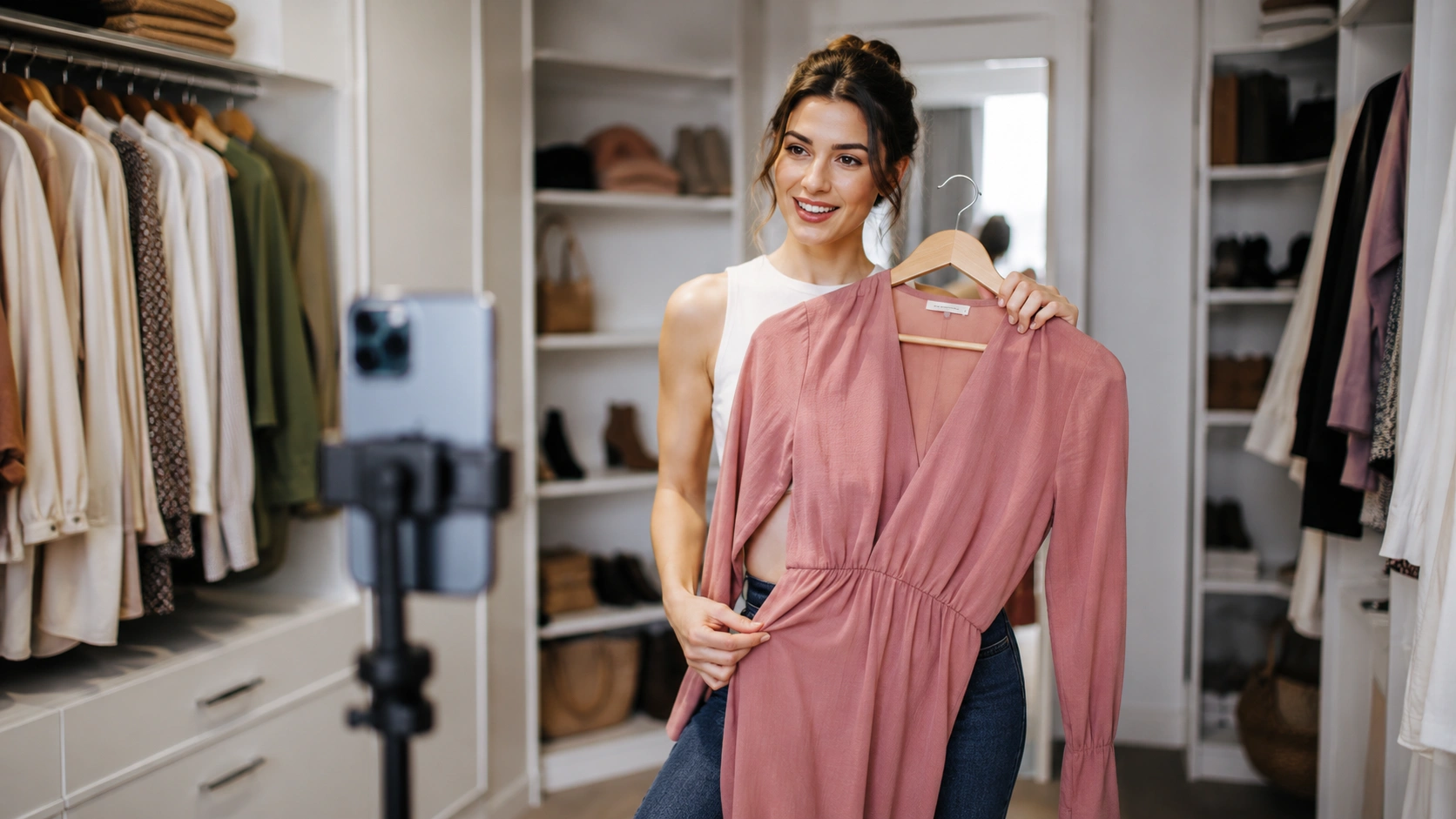
Myth: "I need a professional film crew to start live shopping." Fact: High-production value is less important than authenticity. Most top-performing brands use a high-quality smartphone and good lighting. Shoppers in 2026 prefer a real person in a real environment over a sterile studio.
Ignoring Page Speed
Some live shopping apps are "heavy" and can significantly increase your page load times. This is a critical error. If your site takes 5 seconds to load because of a video script, your bounce rate will skyrocket, and your SEO (Search Engine Optimization) will suffer. Always choose a performance-first infrastructure that uses asynchronous loading to protect your site's speed. Skullcandy’s shoppable video case study shows what performance-first deployment looks like at scale.
Failing to Moderate the Chat
An unmoderated chat can quickly turn negative or get filled with spam. This creates a poor shopping environment. A dedicated moderator is not optional; they are the "digital floor manager" of your live store.
Not Repurposing Content
If you only use your live video once, you are leaving money on the table. The cost of producing a 30-minute live show is high. To make it profitable, you must turn that show into evergreen content. Use your app's "AI Studio" or "AI Clips" features to extract the best moments and embed them on relevant PDPs or collection pages. Sacheu’s PDP shoppable video case study is a good example of video turning education into on-page conversion.
Bottom line: Success in live commerce requires a balance between an engaging host and a technically sound platform that prioritizes site speed and conversion over simple engagement.
Conclusion
Live stream shopping apps have evolved from experimental tools into core revenue drivers for Shopify brands. By choosing the right platform—whether it's a social-heavy tool like TikTok or a revenue-first, on-site solution like ours—you can transform your store from a static catalog into a dynamic, high-converting destination. We designed our platform to ensure that every video asset you create contributes directly to your bottom line without compromising the technical health of your store. In 2026, the brands that win will be those that treat video as a measurable sales channel, not just a marketing expense. If you are ready to turn your video content into a high-growth revenue stream, install Videowise from the Shopify App Store.
Your next step is to evaluate your current video strategy and determine which platform aligns with your technical requirements and revenue goals. If you want help mapping that strategy to your store, book a demo.
FAQ
Which live stream shopping app is best for Shopify stores?
The best app for Shopify depends on your goals, but many operators prefer on-site solutions that integrate directly with the Shopify checkout to minimize friction. Platforms like Videowise are specifically built for the Shopify ecosystem, offering deep integration with product catalogs and "one-click" shoppable features. This ensures that the user experience is consistent and that all sales data is accurately reflected in your Shopify analytics. You can also browse Videowise’s customer stories to see how brands use it in practice.
Does live streaming slow down my ecommerce site?
It can if the app is poorly optimized or uses legacy streaming technology. To avoid this, look for platforms that use a performance-first infrastructure and respect Core Web Vitals by loading scripts asynchronously. This ensures that your main page content loads first, and the video elements follow without delaying the user's ability to interact with your site. Videowise’s performance analytics explains how to monitor that impact.
Can I stream to social media and my website at the same time?
Yes, most top-tier live shopping platforms offer simulcasting or multicasting capabilities. This allows you to broadcast one stream to Facebook, Instagram, and your own website simultaneously, maximizing your reach while consolidating your moderation efforts. It is a highly efficient way to capture both social media "discovery" traffic and high-intent "on-site" shoppers in a single event. For a broader overview, see Videowise’s social commerce platform.
How do I measure the ROI of a live shopping event?
You should look beyond views and focus on Revenue Per Session (RPS), Conversion Rate (CVR) lift, and Average Order Value (AOV). Use an analytics dashboard that can attribute both direct sales (made during the stream) and influenced sales (made later by viewers). This gives you a clear picture of how much revenue the live shopping app is actually generating for your business. For a deeper framework, read Videowise’s measurement guide for video commerce ROI.
.webp)


