

Table of Contents
- Introduction
- What is a Live Shopping Solution?
- The Shift to On-Site Live Commerce in 2026
- Essential Features for Revenue-Focused Operators
- A Step-by-Step Framework for a Successful Live Event
- Technical Considerations: Page Speed and Core Web Vitals
- Measuring Success: Beyond Vanity Metrics
- The Role of AI in Scaling Live Commerce
- Integrating Live Shopping into Your Omnichannel Strategy
- Choosing Your Partner for Growth
- Conclusion
- FAQ
Introduction
Rising customer acquisition costs (CAC) have forced Shopify operators to look for more efficient ways to convert existing traffic. In 2026, the brands winning the market are not just buying more ads; they are maximizing the revenue potential of every session. Live shopping has emerged as a cornerstone of this strategy. A high-performing live shopping solution allows brands to combine real-time interaction with instant, frictionless purchasing.
At Videowise, we focus on turning video engagement into measurable commerce. This guide explores how to evaluate a live shopping platform based on business outcomes like Conversion Rate (CVR), Average Order Value (AOV), and Revenue Per Session (RPS). We will cover the technical requirements for maintaining site speed, the strategic framework for hosting events, and the data-driven approach to measuring success. By the end, you will understand how to integrate live selling into your existing ecommerce stack to drive sustainable growth.
What is a Live Shopping Solution?
A live shopping solution is a specialized software platform that enables brands to sell products through real-time video broadcasts. Unlike a standard social media live stream, a dedicated shoppable video platform integrates your product catalog directly into the video player. This allows shoppers to view product details, select variants, and complete a purchase without ever leaving the stream.
For an ecommerce operator, the "solution" is not just the video player. It is an infrastructure that connects your Shopify backend to multiple front-end channels. It manages the video feed, the real-time chat, the inventory synchronization, and the checkout process.
Quick Answer: A live shopping solution is an integrated platform that combines live video streaming with real-time ecommerce functionality. It allows customers to browse and buy products directly within a video player, typically featuring synchronized product tags, live chat, and instant checkout.
The Shift to On-Site Live Commerce in 2026
In previous years, brands often relied solely on social platforms like Instagram or Facebook for live selling. While these channels offer reach, they often lack the data control and conversion efficiency required for high-growth brands. In 2026, the trend has shifted toward a hybrid model where the website is the primary destination.
Owning the Customer Journey
When you host a live stream on your own domain, you own the first-party data. You can track exactly which products were viewed, when a shopper dropped off, and how the video influenced their lifetime value. That same onsite-first approach is reflected in the Tibi case study, where live shopping was integrated directly into the content experience.
Reducing Conversion Friction
Social platforms frequently require users to leave the app or navigate through multiple screens to reach a checkout page. A modern live shopping solution removes these steps. By using an inline checkout—a process where the payment form appears within the video interface—you reduce the number of clicks to purchase. Reducing friction is the fastest way to improve CVR (Conversion Rate), which is the percentage of visitors who complete a purchase.
Multistreaming Strategy
Operators now use multistreaming to get the best of both worlds. This involves broadcasting a single live event to your website, TikTok Shop, the Shop App, and Instagram simultaneously. This approach allows you to capture top-of-funnel attention on social media while driving high-intent shoppers to your website where you have higher margins and better retention tools.
Essential Features for Revenue-Focused Operators
When evaluating a live shopping solution, it is easy to get distracted by flashy features. For a Shopify brand, the decision should be based on technical performance and revenue impact.
Performance-First Infrastructure
Video is heavy. If your live shopping solution slows down your site, it will hurt your SEO and your overall conversion rates. Look for a platform built on performance-first infrastructure. If you want a real-world example of that balance, see the Skullcandy case study. This means the video player should use "lazy loading" or "viewport loading," where the video only loads when it is visible to the user. This protects your Core Web Vitals, which are Google's standardized metrics for measuring user experience, specifically page speed and visual stability.
Inline Checkout and Product Tagging
The ability to tag products in real-time is non-negotiable. As the host mentions a specific item, the product "card" should appear on the screen. Shoppers should be able to click that card and see a simplified version of the Product Detail Page (PDP) within the video. A shoppable video platform is what makes that experience feel native instead of disruptive.
AI-Powered Moderation and Interaction
High-traffic live events can generate thousands of chat messages per minute. Managing this manually is impossible for a small team. Advanced solutions now include AI-powered content intelligence to filter spam, highlight relevant questions for the host, and even provide automated answers to common shipping or sizing queries. We use these AI tools within Videowise to help brands scale their live events without increasing their headcount.
Revenue Attribution and Analytics
You cannot manage what you cannot measure. A professional live shopping solution must offer full-funnel attribution. To see how Videowise connects engagement to revenue, explore Content Performance analytics. This includes:
- Direct Revenue: Purchases made during the live stream.
- Influenced Revenue: Purchases made by viewers within a set window (e.g., 30 days) after watching the stream.
- RPS (Revenue Per Session): The total revenue generated divided by the number of unique viewers. This is a critical metric for understanding the true value of your video content.
Key Takeaway: Prioritize technical performance and checkout efficiency over aesthetic features. A solution that protects your page speed while offering an inline checkout will always outperform a visually complex player that slows down your site.
A Step-by-Step Framework for a Successful Live Event
Implementing a live shopping solution is a strategic process. Successful operators follow a repeatable framework to ensure every show contributes to the bottom line.
Step 1: Define the Event Format
Do not just "go live" and hope for the best. Choose a format that aligns with your product. Common formats include:
- The Product Drop: Launching a new collection exclusively to live viewers.
- The "How-To" Session: Demonstrating a complex product to reduce buying hesitation.
- The Flash Sale: Driving high volume through time-limited discounts.
Step 2: Select and Train the Host
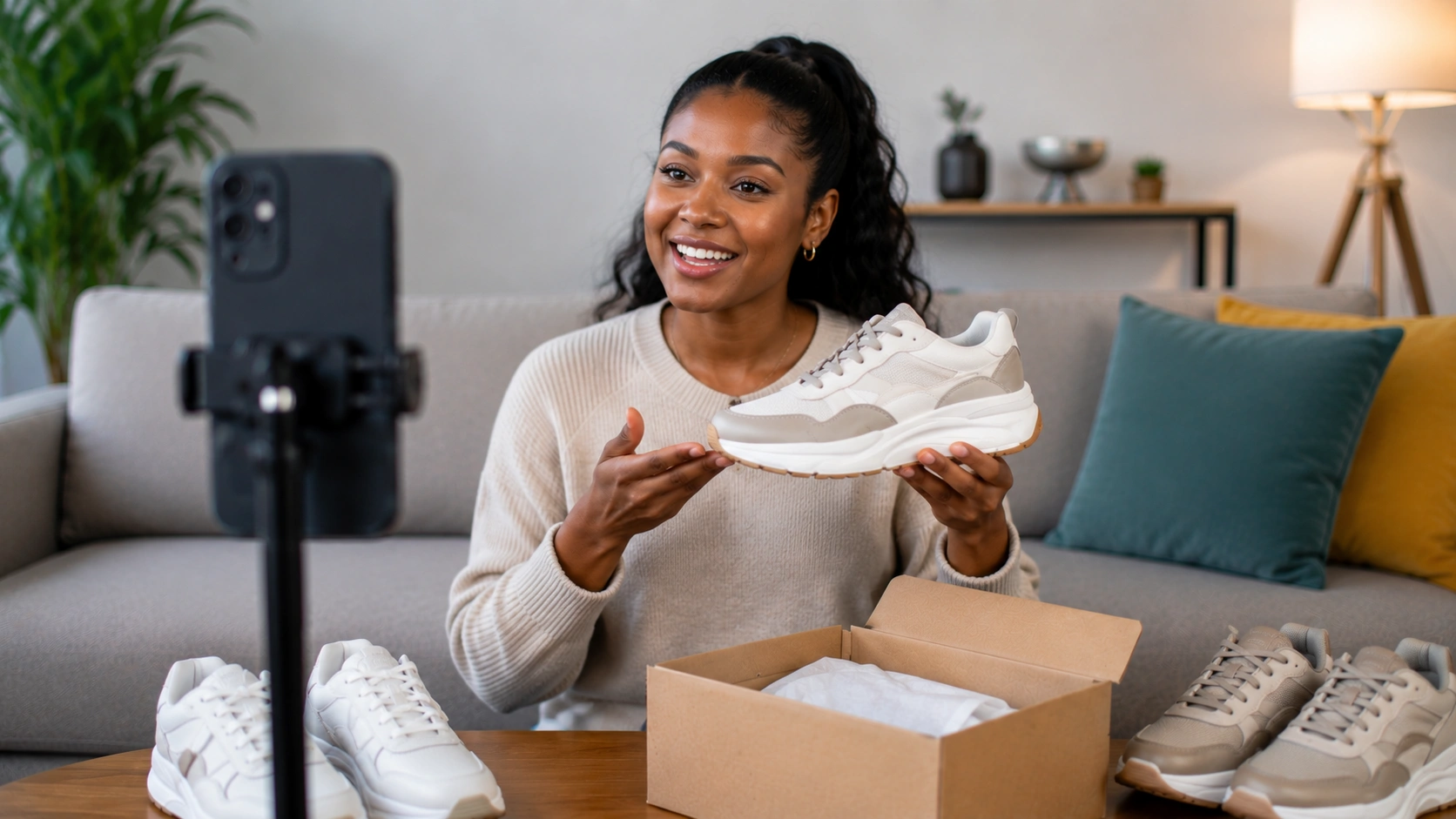
The host is the face of your brand. While some brands use professional influencers, many Shopify operators see better results with founders or internal product experts. The host needs to be comfortable with the live shopping solution’s dashboard so they can see incoming questions and trigger product overlays at the right time.
Step 3: Pre-Show Promotion (RSVP Strategy)
Building an audience is as important as the show itself. Use your email and SMS lists to drive RSVPs. A good live shopping solution will provide "Add to Calendar" widgets and RSVP forms that sync directly with your CRM (Customer Relationship Management) tool, such as Klaviyo. This allows you to send automated reminders 15 minutes before the show starts.
Step 4: The Live Event and Real-Time Selling
During the event, the host should focus on engagement that leads to revenue. Use polls to ask which colors viewers prefer and use the live chat to address specific objections. The "strike while the iron is hot" mentality is key here—use the solution to highlight limited stock levels to create genuine urgency.
Step 5: Post-Show Repurposing
The value of a live show does not end when the broadcast stops. Use your platform to turn the recording into a "shoppable replay." This allows shoppers who missed the event to watch it later and still buy the featured products. You can also use AI Clips to cut the live stream into short-form clips for your PDPs or social media.
| Event Stage | Primary Goal | Key Metric |
|---|---|---|
| Pre-Show | Build Anticipation | RSVP Count |
| During Show | Drive Conversion | Direct CVR |
| Post-Show | Maximize Asset Value | Influenced Revenue |
Technical Considerations: Page Speed and Core Web Vitals
A common myth in ecommerce is that adding video will inevitably slow down your site. This is only true if you use a poorly optimized live shopping solution. For Shopify brands, page speed is directly tied to revenue. A one-second delay in mobile load times can impact conversion rates by up to 20%.
Largest Contentful Paint (LCP)
LCP measures how long it takes for the largest element on the screen to become visible. If your live shopping player is the first thing a user sees, it must be lightweight. Performance-focused solutions use compressed video formats and Content Delivery Networks (CDNs) to ensure the video data is served from a server close to the user's physical location.
First Input Delay (FID)
FID measures how long it takes for a page to respond to a user's first interaction, like clicking a button. If your live shopping solution is "heavy" on JavaScript, it can freeze the main thread of the browser, making the page feel unresponsive. This leads to frustrated users and abandoned carts. We ensure our live shopping solution is built to minimize script execution time, keeping the site snappy even during high-traffic events.
Myth: High-quality live video will always damage my Core Web Vitals scores. Fact: Modern live shopping solutions use advanced loading techniques and global CDNs to deliver high-definition video without impacting your site’s performance metrics or SEO.
Measuring Success: Beyond Vanity Metrics
If you are a growth manager or ecommerce director, you need to report on more than just "views" or "likes." These are vanity metrics that do not pay the bills. Your live shopping solution should provide a deep dive into commerce data.
Revenue Per Session (RPS)
RPS is often the most revealing metric. If your site's average RPS is $5.00, but visitors who watch a live stream have an RPS of $12.00, you have a clear business case for expanding your live video strategy. It tells you exactly how much more valuable a "video shopper" is compared to a "static shopper." For a deeper measurement walkthrough, read How To Track Shoppable Video Performance on Shopify With Videowise.
Average Order Value (AOV) Lift
Live shopping is an excellent vehicle for cross-selling and bundling. A host can show how three products work together, encouraging viewers to add all three to their cart. Track the AOV of orders that originated from a live stream versus your site average. Most operators using shoppable video report a significant increase in AOV during live events.
Return Rate Reduction
One of the hidden benefits of live commerce is reduced returns. Because shoppers see the product in a real-world setting and get their questions answered before buying, they have more realistic expectations. This lead to higher satisfaction and lower operational costs related to processing returns.
Bottom line: Evaluate your live shopping solution based on its ability to provide clear, multi-touch attribution. If the platform cannot tell you how much revenue a specific video generated, it is a content tool, not a commerce solution.
The Role of AI in Scaling Live Commerce
As we move through 2026, AI is no longer a luxury; it is a requirement for scaling. Producing high-quality video content is traditionally expensive and time-consuming. However, AI-powered tools are changing the economics of video production.
AI Clips for Social Commerce
A one-hour live shopping event is a goldmine of content. Rather than hiring an editor to manually find the best moments, a sophisticated live shopping solution can use AI to automatically identify high-energy segments, product demonstrations, and customer testimonials. These "AI Clips" can then be repurposed as shoppable videos on your PDPs or as ads for TikTok and Instagram.
Automated Product Tagging
In a large catalog with thousands of SKUs (Stock Keeping Units), tagging every product manually in every video is a bottleneck. AI content intelligence can "watch" your live stream, identify the products being held by the host, and automatically suggest the correct product tags from your Shopify store. This reduces the manual workload for your merchandising team and ensures that every sales opportunity is captured.
Integrating Live Shopping into Your Omnichannel Strategy
Live shopping should not exist in a vacuum. It should be a key part of your broader omnichannel strategy, which is the practice of providing a consistent experience across all sales channels.
Shopify Shop App Integration
The Shop App has become a major discovery engine for Shopify brands. Choosing a live shopping solution that integrates with the Shop App allows you to broadcast your live shows to a built-in audience of millions of shoppers. For a closer look at that channel, read Live Shopping Inside Shop App With Videowise. This is a low-cost way to reach new customers who are already in a "buying mode."
Email and SMS Synergy
Your live shopping events should be the "hero" content for your retention channels. Instead of a generic "10% off" email, send a personalized invite to a live styling session or a Q&A with the founder. Use the data from your live shopping solution to segment your audience. For example, send a follow-up SMS to everyone who watched the stream but didn't buy, offering a limited-time replay-only discount.
Choosing Your Partner for Growth
Selecting a live shopping solution is a long-term decision. You need a partner that understands the technical demands of Shopify and the strategic needs of a growing brand. The right platform will not just provide a video player; it will provide a revenue engine.
At Videowise, we built our platform to solve the specific problems that ecommerce operators face. We prioritize page speed because we know it impacts your SEO. We focus on inline checkout because we know it impacts your CVR. For a brand-side example of that balance, see the MASC case study. Our goal is to help you turn every video asset into a measurable contributor to your bottom line.
Whether you are just starting with live selling or looking to upgrade from a basic social-only approach, focus on the fundamentals: speed, conversion, and data. These are the pillars of a successful live shopping strategy in 2026.
Key Takeaway: The best live shopping solution is the one that integrates most deeply with your existing workflow and data stack. Success comes from the ability to execute events quickly, measure them accurately, and repurpose the content across the entire customer journey.
Conclusion
Live shopping is no longer an experimental tactic; it is a proven revenue driver for modern Shopify brands. By choosing a solution that prioritizes performance, reduces friction through inline checkout, and provides deep revenue analytics, you can move past vanity engagement metrics and focus on what matters: sustainable growth.
Our mission at Videowise is to provide the infrastructure that makes this possible at scale. We believe that video commerce should be high-impact, low-latency, and deeply integrated into the shopper experience. When done correctly, live shopping doesn't just sell products; it builds a community of loyal customers who return to your brand again and again.
Ready to see how video commerce can scale your revenue? Install Videowise from the Shopify App Store.
Or book a demo with our team to explore a tailored strategy for your brand.
FAQ
How does a live shopping solution impact my site's page speed?
A high-quality solution uses performance-first infrastructure, such as lazy loading and global CDNs, to ensure that video content does not slow down your initial page load. By only loading the video player when it is needed, you can maintain excellent Core Web Vitals scores while still offering a rich, interactive experience.
Can I stream to social media and my website at the same time?
Yes, most advanced solutions offer multistreaming capabilities. This allows you to broadcast a single live feed to your website, TikTok, Instagram, and YouTube simultaneously, maximizing your reach while focusing your conversion efforts on your own high-margin website. You can see how this works in Videowise’s social commerce feature.
What is the difference between direct and influenced revenue in live shopping?
Direct revenue refers to purchases made by a customer while they are actively watching the live stream. Influenced revenue tracks customers who watched the stream and then completed a purchase later within a specific attribution window, such as 7 or 30 days, proving the long-term value of the content.
Do I need a professional studio to use a live shopping solution?
No, many of the most successful Shopify brands use simple setups with a smartphone and good lighting. The authenticity of a founder or product expert often converts better than a highly polished, corporate-style production. If you want a simple path to launch, Get Started With Shoppable Videos Using Videowise. The key is the interaction and the value of the information provided, not the production budget.
.webp)


