

Table of Contents
- Introduction
- The Revenue Case for Loyalty via Live Shopping
- How Live Shopping Builds Lasting Brand Affinity
- Strategic Live Shopping Formats for Retention
- Operational Implementation: A Step-by-Step Framework
- Technical Considerations: Speed and Scale
- Measuring What Matters: Loyalty Metrics Beyond the Stream
- Common Pitfalls to Avoid
- Why On-Site Live Shopping Wins Over Social Platforms
- Using AI to Scale Your Loyalty Efforts
- Conclusion
- FAQ
Introduction
Ecommerce operators in 2026 face a persistent challenge: the cost of acquiring a new customer continues to outpace the margin on a single sale. When acquisition costs rise, the only way to maintain a healthy bottom line is to increase the value of the customers you already have. Traditional loyalty programs often rely on boring point systems that shoppers forget to use. Live shopping offers a more dynamic alternative. By bringing real-time human interaction to the digital storefront, we help brands move beyond transactional relationships.
This guide explores the strategic framework for using live shopping to increase customer loyalty. We will cover how to structure events for retention, the technical requirements for high-performance video, and the metrics that prove your video strategy is driving revenue. For a broader primer, see what live shopping is and why it works. At Videowise, we focus on turning video into a measurable revenue channel that prioritizes speed and conversion.
The Revenue Case for Loyalty via Live Shopping
Customer loyalty is often measured by Customer Lifetime Value (CLV). This is the total profit a customer generates throughout their entire relationship with your brand. Increasing CLV requires more than just a good product. It requires a connection that makes your store the default choice for the shopper.
Live shopping acts as a bridge between the convenience of online browsing and the personal touch of a physical boutique. When an operator uses live video, they aren't just selling a SKU. They are building trust with Videowise's live shopping platform. This trust directly impacts two critical metrics: Conversion Rate (CVR) and Revenue Per Session (RPS).
CVR is the percentage of visitors who make a purchase. RPS is the total revenue generated divided by the total number of sessions. When shoppers feel a personal connection to a host or a brand's community, they are more likely to return. This repeat behavior is the foundation of loyalty.
Key Takeaway: Live shopping transforms the shopping journey from a linear funnel into a circular loop. Post-purchase interaction during live streams encourages the next purchase, directly increasing the lifetime value of the customer.
How Live Shopping Builds Lasting Brand Affinity
Building loyalty through video requires a shift in mindset. You are not just broadcasting; you are interacting. This interactivity creates several psychological and operational advantages that static pages cannot match.
Authenticity and Transparency
Shoppers in 2026 are skeptical of highly edited, "perfect" marketing assets. They want to see how a product actually moves, fits, and functions. Live shopping provides an unscripted look at your inventory. When a host answers a difficult question about a product's limitations or shows a close-up of a fabric texture, it builds credibility. This transparency reduces the "certainty gap" that often prevents a second or third purchase. For a PDP example of this kind of trust-building, see How Sacheu Increased Total Orders by +8.77% with PDP Shoppable Video Carousels.
Sense of Community and Belonging
Traditional ecommerce is a solitary experience. Live shopping is a shared one. Seeing other people ask questions and express excitement in a live chat makes the shopper feel like part of a group. This sense of belonging is a powerful driver of retention. People don't just return for the products; they return for the experience of the community.
Immediate Feedback Loops
Customer service is usually a reactive process. A customer has a problem, sends an email, and waits for a reply. Live shopping makes service proactive. If a regular customer has a question about how to style a previous purchase, the host can answer it live. This immediate gratification reinforces the idea that the brand cares about the shopper's long-term success with the product.
Strategic Live Shopping Formats for Retention
Not every live stream should be a massive sales event. To increase loyalty, you need to vary your formats based on where the customer is in their journey.
VIP Gated Events
Exclusivity is a primary driver of loyalty. You can host live shopping events that are only accessible to your top-tier customers or email subscribers. Use these sessions to give "first access" to new collections or limited-edition product drops. This makes your most loyal shoppers feel like insiders. A real-world version of this approach is How Andar Generated $134K in 3 Hours with Live Shopping on Videowise.
Educational "Office Hours"
For brands selling complex products—like skincare, electronics, or specialized gear—loyalty is built on the customer's ability to use the product effectively. Hosting a weekly "Office Hours" session where an expert demonstrates advanced features or answers usage questions keeps the brand top-of-mind. It ensures the customer gets the most value from their purchase, which reduces churn and increases the likelihood of a repeat buy.
Collaborative Product Development
Invite your repeat customers to a live session where you show prototypes of upcoming products. Ask for their feedback on colors, features, or packaging. When customers feel like they have a hand in creating what you sell, their loyalty becomes much harder for a competitor to break.
Operational Implementation: A Step-by-Step Framework
Executing a live shopping strategy that builds loyalty requires coordination between your marketing, merchandising, and technical teams.
Step 1: Define Your Loyalty Segment. / Identify the specific group of customers you want to target. Are you trying to turn one-time buyers into two-time buyers, or are you rewarding your "super-users" who have bought five times or more?
Step 2: Choose a Consistent Schedule. / Loyalty is built on habits. If you go live at the same time every week, your most dedicated customers will begin to put it on their calendar. Random, unannounced streams rarely build long-term retention.
Step 3: Select and Train Your Hosts. / The host is the face of your brand. They don't need to be professional actors. Often, a passionate founder or a knowledgeable store manager is more effective. They should be trained not just to pitch, but to listen to the chat and call out repeat customers by name.
Step 4: Integrated Promotion. / Don't rely on the platform to notify your followers. Use your email and SMS lists to drive traffic to the stream. Mention the event on your product description pages (PDPs) to catch shoppers who are already in the buying mindset. For a broader walkthrough, see get started with shoppable videos using Videowise.
Technical Considerations: Speed and Scale
A major concern for ecommerce directors is how adding video will affect site performance. If a live stream slows down your site, it will hurt your conversion rate and frustrate your loyal customers. This is where the underlying infrastructure becomes critical.
Performance-first infrastructure ensures that video components do not interfere with Core Web Vitals. Core Web Vitals are the standardized metrics Google uses to measure user experience, including page loading speed and visual stability. One of the most important metrics here is Largest Contentful Paint (LCP), which measures how long it takes for the main content of a page to be visible.
Our platform is designed to handle high-traffic live events without compromising these scores. By using viewport loading—where the video only loads as the user scrolls to it—we keep the initial page load light. This means you can offer an immersive shoppable video platform on your Shopify store while maintaining the speed your customers expect. If you want to go deeper on reporting, how to track shoppable video performance on Shopify is a useful companion read.
Bottom line: A loyalty strategy built on slow technology is destined to fail. High-performance video delivery ensures that the experience of watching a live stream is as smooth as the rest of the checkout process.
Measuring What Matters: Loyalty Metrics Beyond the Stream
To understand if using live shopping is actually increasing loyalty, you must look past vanity metrics like "likes" or total views. You need to focus on metrics that tie directly to revenue and retention.
Repeat Purchase Rate (RPR)
This is the most direct measure of loyalty. Track the percentage of shoppers who attended a live event and then made a second or third purchase within 30 to 60 days. If your live shopping participants have a higher RPR than non-participants, your strategy is working.
Influence on Future Sessions
Loyalty means the customer keeps coming back even when you aren't running a sale. Use Content Performance Analytics to see if users who watched a live stream are more likely to return to the site in the following weeks. This "influenced revenue" is often more significant than the direct sales made during the broadcast.
Average Order Value (AOV)
Loyal customers tend to spend more per transaction. During a live stream, hosts can suggest complementary products or "bundles" that increase the total cart value. If your live shopping sessions have a higher AOV than your standard store average, you are successfully deepening the customer's investment in your brand.
Revenue Per Session (RPS)
By providing a more engaging experience, live shopping typically keeps users on the site longer and increases the likelihood of a purchase. RPS is a holistic way to measure the efficiency of your traffic. A loyalty-focused live event should aim to maximize the value of every visitor, not just the ones who buy on the spot.
Common Pitfalls to Avoid
Even with the best intentions, brands can make mistakes that alienate their customers instead of bringing them closer.
Myth: Live shopping is only for clearance sales or heavy discounting. Fact: Constant discounting devalues your brand and trains customers to only buy when there is a sale. To build loyalty, focus on exclusivity, education, and early access rather than just lower prices.
Avoid Over-Scripting. The appeal of live video is its "realness." If your host reads from a script like a late-night infomercial, the audience will disengage. Give your host talking points and product facts, but encourage them to be themselves.
Don't Ignore the Chat. The most common mistake is treating a live stream like a one-way TV broadcast. If people are asking questions in the chat and the host isn't acknowledging them, you are missing the opportunity to build a connection. Acknowledge users by their usernames and answer their questions as they come in.
Failing to Repurpose Content. A live event is a wealth of content. You can take the best moments from a stream and use AI Clips to create short-form videos for your PDPs or social media. This extends the life of the content and provides value to customers who couldn't attend the live session.
Why On-Site Live Shopping Wins Over Social Platforms
Many brands start their live shopping journey on social media platforms like TikTok or Instagram. While these are great for reach, they have limitations when it comes to long-term loyalty and data ownership.
When you host live shopping directly on your own Shopify site, you own the entire experience. You aren't competing with a dozen other notifications or a "for you" feed designed to distract the user. On-site live shopping allows for an inline checkout, meaning the shopper can add products to their cart and pay without ever leaving the video.
This reduction in friction is vital for conversion. Furthermore, when the event happens on your site, you collect 100% of the data. You know exactly which products were viewed, which were clicked, and which customers attended. This data is the fuel for your future loyalty marketing.
Using AI to Scale Your Loyalty Efforts
As your live shopping program grows, managing the content becomes a bottleneck. This is where AI-powered content intelligence becomes a competitive advantage.
Using tools like an AI Studio allows operators to tag products automatically and manage usage rights across thousands of assets. For loyalty, this means you can quickly identify the best performing clips from past live streams and serve them to specific customer segments. If a loyal customer is browsing your site, you can show them a clip from a live stream they missed that features a product they are likely to love.
Automated tagging and organization ensure that your creative team spends less time on manual data entry and more time on the strategy of the events themselves. Scalability is what separates a one-off experiment from a permanent loyalty channel.
Conclusion
Using live shopping to increase customer loyalty is a high-impact strategy for any Shopify brand looking to improve its long-term profitability. By focusing on trust, community, and interactivity, you can turn a simple transaction into a lasting relationship. At Videowise, our mission is to provide the performance-first infrastructure that makes this possible. We help you deliver shoppable video experiences without sacrificing the speed of your store.
The brands that will win in 2026 are those that view their customers as more than just rows in a database. They are the brands that invite their shoppers behind the scenes, answer their questions in real-time, and build a community around their products.
Next Steps for Operators:
- Audit your current repeat purchase rate to establish a baseline.
- Identify one "expert" within your company who can host an educational live stream.
- Schedule your first "Loyalty-Only" event for your email subscribers.
To see how we can help you implement a high-performance live shopping strategy, install the Videowise app from the Shopify App Store.
If you'd rather see it tailored to your store, request a personalized demo.
FAQ
How does live shopping help with customer retention?
Live shopping builds a personal connection between the brand and the shopper through real-time interaction. By answering questions, acknowledging repeat buyers by name, and providing a community atmosphere, you create an emotional investment that goes beyond the product itself. This sense of belonging and trust encourages customers to return to your store rather than looking for a cheaper alternative.
Will hosting live shopping events slow down my Shopify store?
If you use a performance-first platform like Videowise, it will not negatively impact your site speed. We use viewport loading and optimized infrastructure to ensure that video components only load when needed, preserving your Core Web Vitals and LCP scores. This allows you to offer an immersive video experience without the risk of high bounce rates due to slow loading times.
What are the best metrics to track for live shopping loyalty?
Instead of just looking at views, you should track Repeat Purchase Rate (RPR), Revenue Per Session (RPS), and Average Order Value (AOV). You should also measure "influenced revenue," which tracks how many shoppers who watched a live stream ended up purchasing in the following weeks. These metrics provide a much clearer picture of how video is impacting your long-term business health.
Do I need a professional studio to start using live shopping?
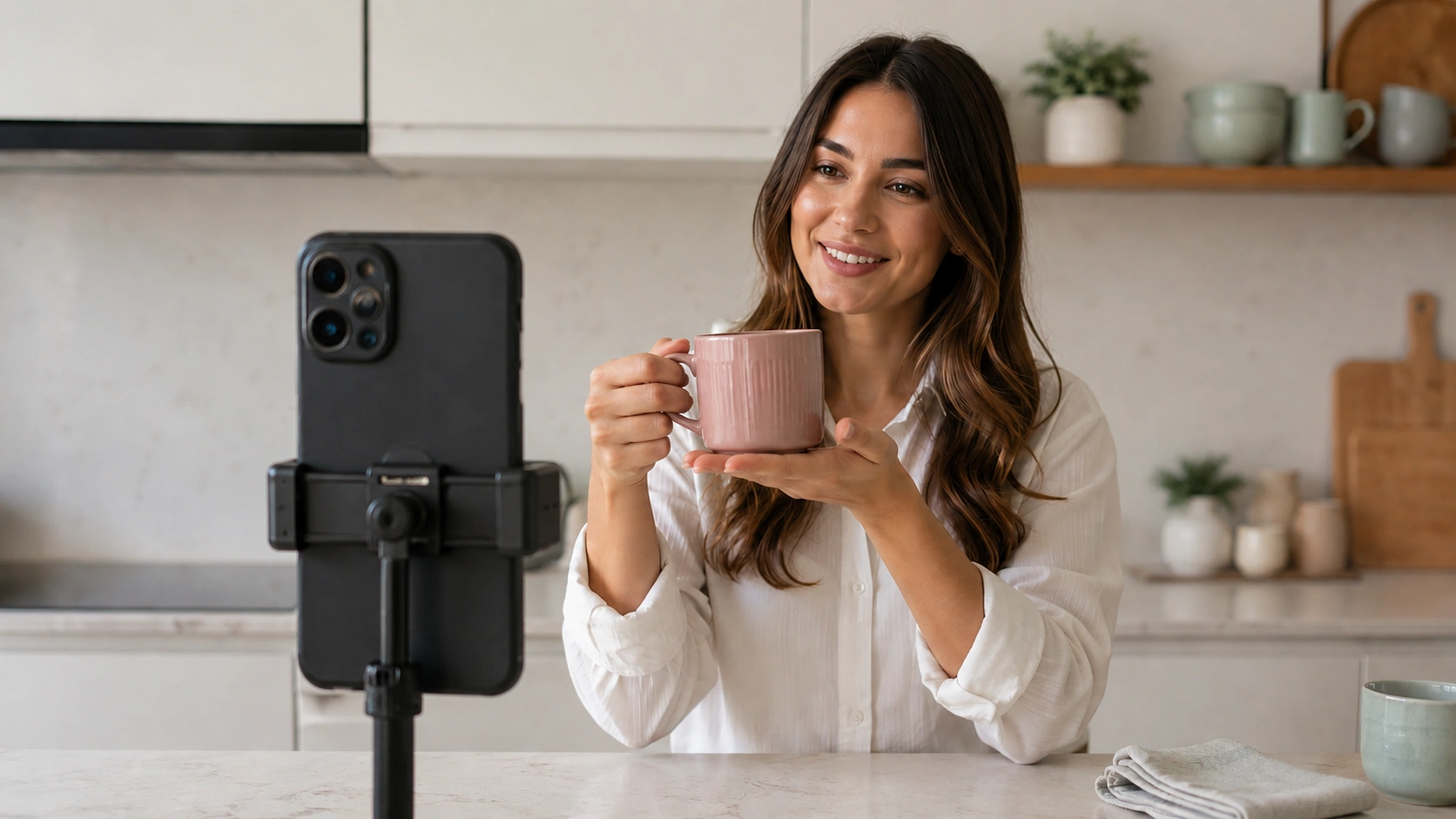
No, many of the most successful live streams are filmed in a simple office or warehouse setting using a smartphone. In fact, a less "polished" look often feels more authentic and trustworthy to modern shoppers. The most important factors are clear audio, good lighting, and a host who is genuinely knowledgeable and enthusiastic about the products.
.webp)


