

Table of Contents
- Introduction
- What is Live Social Shopping?
- The Business Case for Live Selling
- Top Live Social Shopping Platforms
- Building Your Live Shopping Workflow
- Strategies for Content Success
- Technical Considerations for Scale
- Measuring Success: Beyond the View Count
- The Future of Live Commerce in 2026
- Conclusion
- FAQ
Introduction
Customer acquisition costs continue to rise. Conversion rates on traditional product pages have hit a ceiling for many Shopify brands. Operators are looking for more than just engagement. They need measurable growth. Live social shopping has emerged as a high-intent channel. It bridges the gap between entertainment and transaction. In this guide, we will cover the strategic framework for live commerce in 2026, with a broader foundation in the complete guide to live video commerce. This includes platform selection, technical execution, and revenue measurement. At Videowise, we believe every video interaction should lead to a purchase. This post will show you how to build a live selling machine that scales without slowing down your store. Let’s look at how to turn viewers into high-value customers.
Quick Answer: Live social shopping is a real-time video strategy where hosts demonstrate products to a live audience. It allows viewers to ask questions and buy items instantly through integrated checkout links. This format drives higher conversion rates (CVR) and average order value (AOV) by combining urgency with social proof.
What is Live Social Shopping?
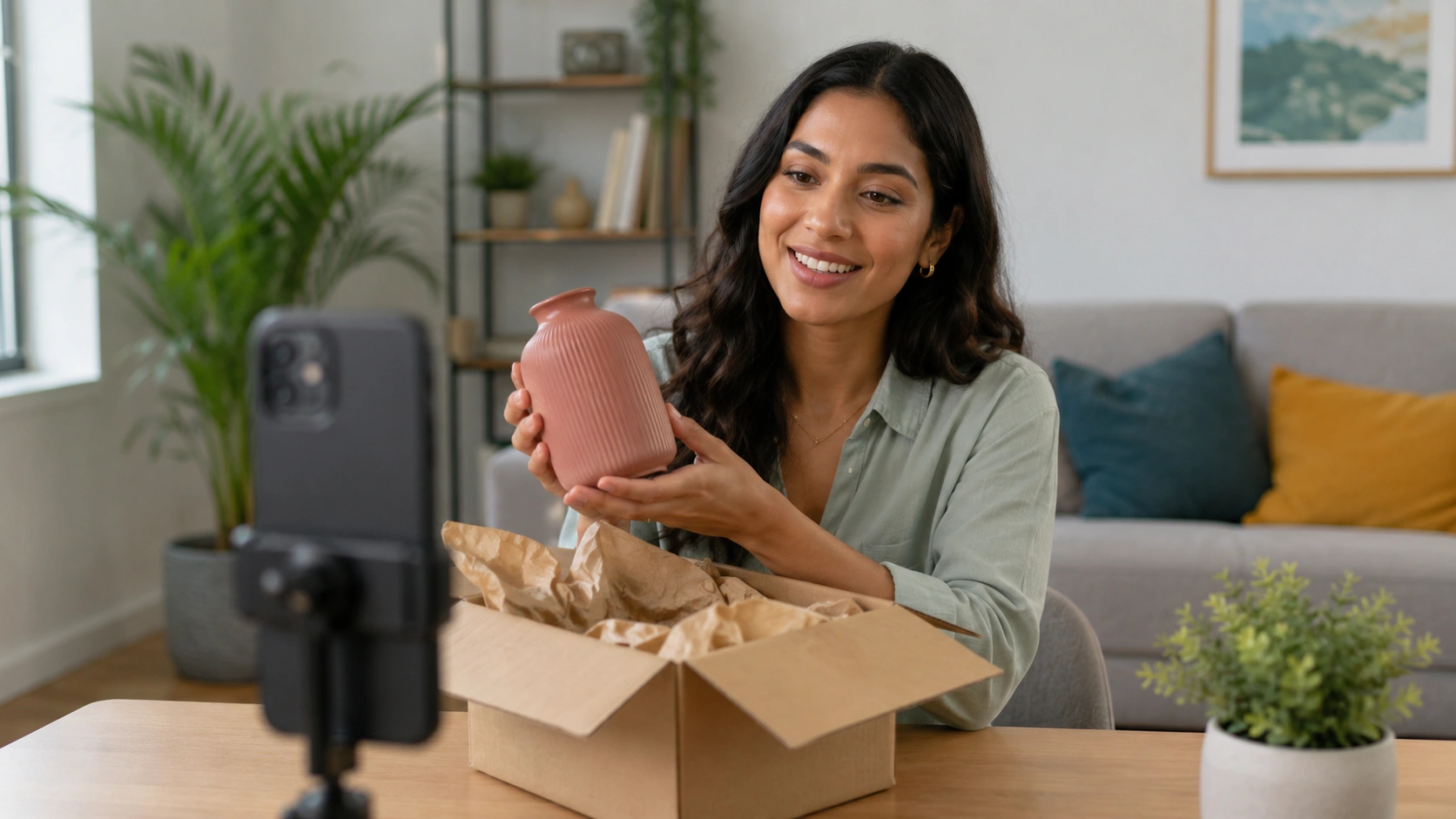
Live social shopping is the intersection of video streaming and digital commerce. It is often described as the digital version of home shopping networks like QVC. However, it is much more interactive. It happens on social platforms, marketplaces, and your own online store.
Defining the Format
The core of this strategy is the real-time feedback loop. A host showcases a product in a video stream. Viewers use a chat function to ask questions about fit, material, or usage. The host answers these questions immediately. This level of interaction builds trust. It removes the friction that often stops a shopper from clicking "buy."
In 2026, this format has moved beyond simple social media broadcasts. It now includes sophisticated integrations. These allow for one-click checkouts and real-time inventory updates. The goal is to keep the shopper within the video experience until the transaction is complete.
Live Social Shopping vs. Traditional Ecommerce
Traditional ecommerce is a solitary experience. A shopper lands on a product detail page (PDP). They read text and look at static images. They decide based on reviews and their own research.
Live social shopping is community-driven. Shoppers see others asking questions and making purchases. This creates a "store-like" atmosphere. It uses the fear of missing out (FOMO) to drive action. It is a push strategy rather than a pull strategy. You are not waiting for the customer to find you. You are bringing the store to them.
The Business Case for Live Selling
For a growth manager, the value of live shopping is not in the number of likes. It is in the measurable impact on the bottom line. Most brands look at three primary metrics: Conversion Rate (CVR), Average Order Value (AOV), and Revenue Per Session (RPS).
Driving Conversion Rate (CVR)
Live streams often see much higher conversion rates than standard PDPs. When a host demonstrates a product's value, the "maybe" shoppers become buyers. The real-time Q&A session acts as an automated objection handler.
In our experience, brands typically see a significant lift in CVR during live events. For the measurement framework behind that kind of analysis, see how to track shoppable video performance on Shopify. This is especially true for complex products. Think of a beauty brand showing how to apply a multi-step skincare routine. Or a fashion retailer showing how a specific dress fits three different body types.
Increasing Average Order Value (AOV)
Live shopping is a natural vehicle for upselling and cross-selling. A host does not just show one shirt. They show the full outfit. They explain why the accessories match.
By bundling products during a stream, brands can drive higher AOV. You can offer "live-only" bundles that exist for the duration of the broadcast. This encourages shoppers to add more to their carts to get the exclusive deal.
Revenue Per Session (RPS)
RPS is the total revenue divided by the number of unique sessions. Live shopping maximizes RPS by increasing the time a shopper stays in your ecosystem. Instead of a 30-second bounce, you get 20 minutes of high-intent attention. This attention is directly tied to a checkout button.
Bottom line: Live social shopping turns passive browsing into active purchasing by leveraging social proof and real-time objection handling.
Top Live Social Shopping Platforms
Choosing the right platform depends on where your audience lives. You should evaluate platforms based on their reach and their ability to integrate with your Shopify store.
| Platform Type | Primary Platforms | Key Benefit | Target Audience |
|---|---|---|---|
| Social-First | TikTok Shop, Instagram Live | High discovery and reach | Gen Z and Millennials |
| Marketplace-First | Amazon Live | High purchase intent | Existing Amazon shoppers |
| On-Site Solutions | Videowise Live Shopping | Full data control and speed | Brand loyalists and PDP visitors |
| Broadcasters | YouTube Live | Long-form content reach | Tech and hobbyist niches |
Social-First Platforms
TikTok Shop is the current leader in social commerce. Its algorithm is designed to put live streams in front of people who are likely to buy. The checkout is integrated directly into the app. This reduces the number of steps to purchase. For a closer look at comment-to-buy flows, see the social commerce product tour.
On-Site Live Shopping
Hosting live events on your own store is the best way to own your data. When you go live on your site, you control the branding. You keep the shopper on your domain. You also ensure that the video player is optimized for performance. Videowise's live shopping platform provides a performance-first infrastructure for this. We ensure your video doesn't slow down the site or hurt your Core Web Vitals.
Building Your Live Shopping Workflow
Executing a successful live event requires more than just hitting the "record" button. You need a structured process.
Step 1: Product and Goal Selection
Select 5 to 10 products. Do not overwhelm the viewer. Choose a mix of your bestsellers and a "hero" item for a new launch. Define your success metric. Is it total revenue, or is it the number of new customers?
Step 2: Selecting the Host
Your host is your salesperson. They must be charismatic and knowledgeable. You have three main options:
- The Founder: Great for brand story and authenticity.
- Internal Expert: Best for technical products or high-end fashion.
- Influencer: Ideal for reaching a new audience and adding social proof.
Step 3: Technical Preparation
Check your internet connection. Use a wired connection if possible. Ensure your lighting is clear. If you are selling beauty or fashion, color accuracy is vital. Use a dedicated microphone. Poor audio will drive viewers away faster than poor video.
Step 4: Promotion and Teasing
Build a funnel for your event. Send an email campaign three days before. Run SMS alerts 15 minutes before you go live. Use your social channels to tease exclusive "live-only" discounts. If you want a practical launch checklist, get started with shoppable videos.
Step 5: Real-Time Execution
Start with a high-energy hook. Show the hero product in the first five minutes. Encourage the chat to participate. Use polls to ask which color they prefer. This keeps the algorithm favoring your stream and keeps the audience engaged.
Step 6: Post-Event Analytics
Review the data. Look at your peak viewer count and your drop-off points. Compare the revenue generated during the live window versus your daily average. Track "influenced revenue"—customers who watched the stream but bought 24 hours later.
Strategies for Content Success
The best live social shopping events feel like a conversation, not a commercial. Shoppers in 2026 prefer a raw, behind-the-scenes look.
The "Backstage Pass" Vibe
You do not need a multi-million dollar studio. Often, a stream from a warehouse or a design studio performs better. It feels more authentic. It shows the humans behind the brand. This authenticity is a powerful trust signal.
Managing the Chat
The chat is your greatest tool. Have a dedicated team member to moderate the chat. They can drop product links as the host mentions them. They can also flag specific questions for the host to answer on camera. This ensures no high-intent question goes unanswered.
Creating Urgency
Use a countdown timer for specific deals. Announce when stock is running low. "We only have 10 units left of the blue sweater" is a classic for a reason. It works. In a live environment, this urgency is visible and real.
Key Takeaway: Success in live commerce comes from balancing entertainment with clear, frequent calls to action. Every demo must end with a prompt to buy.
Technical Considerations for Scale
As your live shopping strategy grows, your technical infrastructure must keep up. Many brands make the mistake of using heavy video players that slow down their site.
Performance-First Infrastructure
Page speed is a critical factor for conversion. If your live stream player adds three seconds to your page load time, your CVR will drop across the whole site. You need a solution that uses lazy loading and optimized delivery. Videowise's shoppable video product tour shows how to keep video fast without sacrificing the shopping experience.
Our platform is built to maintain your Core Web Vitals. These are the metrics Google uses to measure user experience. We deliver high-quality live video without the typical performance "tax."
Mobile Optimization
Over 70% of live shopping happens on mobile devices. Your stream must be vertical. Your checkout buttons must be large and easy to tap. The text on the screen must be legible on a small display. If your mobile experience is an afterthought, you are leaving the majority of your revenue on the table.
Multi-Store Support
For larger retailers, managing live events across different regions is a challenge. You need the ability to bulk publish content. You need to ensure that the products shown in a UK stream are available in the UK inventory. Sophisticated platforms offer multi-store support to automate this process.
Myth: High-quality video will always slow down my Shopify store. Fact: Modern video commerce platforms use advanced compression and edge delivery to serve video without impacting page speed or Core Web Vitals.
Measuring Success: Beyond the View Count
Vanity metrics like "total views" or "likes" do not pay the bills. Ecommerce operators must focus on attribution and revenue metrics.
Direct vs. Influenced Revenue
Direct Revenue is what you sell while the "live" icon is flashing. It is easy to track. Influenced Revenue is more complex. These are the shoppers who watched 10 minutes of your stream, did not buy immediately, but returned the next day to purchase. To track this, you need a platform that connects video views to the customer journey.
Revenue Per Session (RPS)
RPS is the ultimate measure of video efficiency. If a video session generates $5.00 in revenue and a non-video session generates $2.00, you have a clear case for expansion. You should be looking at how live shopping increases the value of every visitor to your site.
Content Performance Analytics
Use your analytics to find your "winning" moments. Did sales spike when you showed the product being used? Did they drop when you talked for too long about the brand history? This data tells you how to script your next event. Content Performance analytics helps you understand which parts of your video strategy are actually moving the needle.
The Future of Live Commerce in 2026
We are seeing several shifts in how live shopping works. These trends will define the next few years of ecommerce growth.
AI-Powered Content Intelligence
AI is now helping operators at every stage. AI Clips can take a 60-minute live stream and automatically cut it into 15-second "highlight" reels for your PDPs.
AI Video Production Studio tools can help optimize your lighting and sound in post-production. This makes your live content more reusable and profitable.
Shoppable UGC Integration
Live events are becoming more than just brand broadcasts. Brands are now bringing customers into the stream. Showing real user-generated content (UGC) during a live event adds a layer of social proof that no host can match. How Skullcandy achieved a 7.9% RPS increase with shoppable videos is a strong example of that approach.
Omnichannel Commerce
The future is not just one platform. It is being everywhere your customer is. You might stream to TikTok, YouTube, and your own site simultaneously. Andar's live shopping case study shows how live shopping can sit alongside a broader shoppable video strategy. This requires a centralized asset management system to handle rights, tags, and analytics across all channels.
Conclusion
Live social shopping is no longer an experiment. It is a fundamental shift in how brands interact with their customers. By focusing on revenue-first delivery and performance-first infrastructure, you can turn video into your most profitable sales channel.
The brands that win in 2026 will be those that prioritize the customer experience and measurable outcomes. They will use video to build trust, handle objections, and drive higher AOV. We are committed to helping you scale this strategy without technical headaches.
Your next step is to evaluate your current video content. Look at where you can add a live interaction to your most popular collections. The technology is ready. The shoppers are waiting.
Ready to turn your video content into a high-converting revenue stream? Install Videowise from the Shopify App Store.
If you want a tailored walkthrough, book a demo to see our performance-first video commerce in action.
FAQ
Does live social shopping slow down my Shopify site?
If you use a standard video embed, it might. However, using a performance-first platform ensures that the video player does not negatively impact your Core Web Vitals or page speed. We use advanced loading techniques to keep your site fast while delivering high-quality video.
Which platform is best for my first live shopping event?
For most Shopify brands, a hybrid approach is best. Use TikTok or Instagram to reach a wide audience and drive discovery. Simultaneously, host the event on your own site to capture high-intent shoppers and keep control over your customer data and the checkout experience.
Do I need professional camera equipment to start?
No, authenticity often performs better than high-gloss production. A modern smartphone with a good microphone and a ring light is usually enough for a successful stream. Focus more on the host's energy and the quality of the product demonstration than on cinematic production value.
How do I measure the ROI of a live shopping event?
Focus on direct revenue generated during the event and influenced revenue in the 24–48 hours following it. Use analytics to track metrics like Conversion Rate (CVR), Average Order Value (AOV), and Revenue Per Session (RPS) specifically for viewers of the live stream compared to non-viewers.
.webp)


