

Table of Contents
- Introduction
- The Revenue Case for TikTok Live in 2026
- Technical Requirements and Setup
- Structuring the Live Stream Team
- Content Strategy: From Discovery to Conversion
- Integrating Social Content with Your Shopify Store
- Measuring What Matters: Metrics for Operators
- Scaling Your Strategy
- Conclusion
- FAQ
Introduction
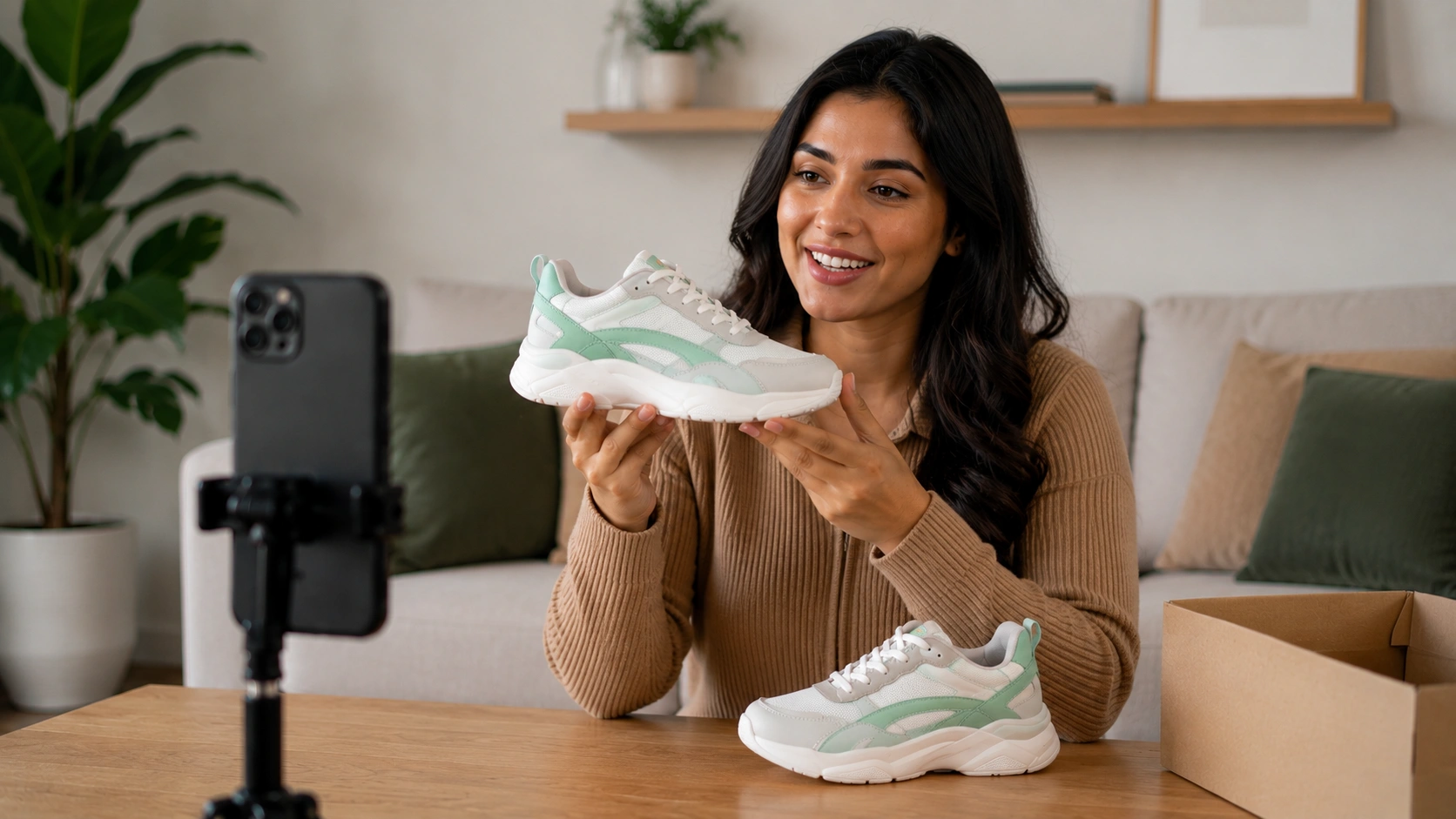
As customer acquisition costs continue to climb in 2026, ecommerce operators are forced to look beyond traditional static ads to find sustainable growth. The challenge isn't just getting eyeballs on a product; it’s converting that attention into measurable revenue without losing the shopper in a friction-filled checkout process. Live shopping on TikTok has emerged as a critical high-intent channel for Shopify brands, offering a direct path from discovery to purchase within a single session.
At Videowise, we focus on helping brands turn video assets into high-converting storefront experiences with our shoppable video platform. This guide explores how to structure, execute, and measure a TikTok Live strategy that prioritizes bottom-line metrics like conversion rate (CVR) and average order value (AOV). We will cover the technical setup, team requirements, and the integration of social content into your broader on-site commerce strategy to ensure every livestream contributes to long-term growth.
Quick Answer: Live shopping on TikTok is a real-time commerce format that allows brands to sell products directly through a livestream. Success requires a TikTok Shop integration, a structured "run of show" to maintain viewer retention, and a performance-focused approach to live ads to drive qualified traffic to the stream.
The Revenue Case for TikTok Live in 2026
Live shopping is no longer a speculative experiment. For most high-growth retailers, it is a core pillar of their social commerce strategy. The primary value lies in the compression of the marketing funnel. In a traditional journey, a shopper sees an ad, clicks to a site, browses, adds to a cart, and eventually checks out. Each step is a point of potential drop-off.
With live shopping on TikTok, those steps happen simultaneously. The product demonstration, social proof (via live chat), and checkout are all contained within the live feed. This immediacy drives several key business outcomes:
- Higher Conversion Rates: The ability to answer product questions in real-time removes the "uncertainty gap" that often stalls a purchase.
- Increased Average Order Value (AOV): Live hosts can effectively bundle products or offer time-sensitive "live-only" incentives that encourage larger baskets.
- Lower Return Rates: Because shoppers see the product in a non-static, realistic environment, their expectations are better managed compared to edited studio photography.
Technical Requirements and Setup
Before going live, your brand must meet specific eligibility criteria and have the correct technical infrastructure in place. To host a shoppable livestream, Videowise's live shopping feature is built for that setup, even as TikTok has streamlined the process significantly by 2026.
Eligibility and TikTok Shop
To host a shoppable livestream, you must have a TikTok Shop account. The platform generally requires creators and brands to be at least 18 years old and meet specific follower thresholds, though these are often waived for verified business accounts.
Your TikTok Shop acts as the "source of truth" for your inventory. When you go live, you pull products directly from your Shop catalog into the "Live Showcase." This ensures that pricing, descriptions, and stock levels are synchronized in real-time.
The GMV Max Transition
As of 2026, TikTok has moved toward automated performance tools for commerce. GMV Max is now the default campaign type for TikTok Shop Ads. For an operator, this means you no longer need to manually toggle complex bidding strategies for your live streams.
The system uses AI to optimize for the highest Gross Merchandise Value (GMV). When you run a "LIVE GMV Max" campaign, the algorithm identifies which users are most likely to not only watch the stream but also complete a purchase based on their historical shopping behavior.
Structuring the Live Stream Team
A common mistake for Shopify brands is treating a TikTok Live as a casual "check-in." To drive meaningful Revenue Per Session (RPS), the stream must be treated as a professional production. This requires a tiered approach to staffing.
| Role | Responsibility | Impact on Revenue |
|---|---|---|
| The Host | The face of the stream; manages energy and product demos. | Influences AOV and brand trust. |
| The Moderator | Manages the chat, pins products, and answers technical FAQs. | Reduces friction; drives CVR by answering "is this in stock?" |
| The Tech Lead | Monitors audio, lighting, and internet stability. | Protects Core Web Vitals (if streaming to site) and retention. |
| The Analyst | Tracks real-time sales data and directs the host to pivot content. | Optimizes RPS by identifying winning products mid-stream. |
The "Run of Show" Framework
You should never go live without a script or a "run of show." This document outlines the timing for product reveals, the cadence of "pinned" product highlights, and scheduled giveaway or discount moments. A typical 60-minute high-conversion stream follows this rhythm:
- The Hook (0–5 mins): High-energy intro, teasing the most popular product or a limited-time offer.
- The Educational Cycle (5–45 mins): Rotating through 3–5 core SKUs. Each product gets a "Problem, Solution, Proof" treatment.
- The Closing Sprint (45–60 mins): Addressing final Q&A, reinforcing scarcity (e.g., "only 10 left in this color"), and clear calls to action.
Key Takeaway: Treat your livestream like a performance marketing channel. Every minute of airtime should have a specific goal, whether it is educating on a product feature or driving an immediate "add to cart" action.
A useful benchmark is Andar's live shopping case study.
Content Strategy: From Discovery to Conversion
The creative execution of a TikTok Live determines your retention rate. If viewers drop off within the first 30 seconds, your GMV Max campaign will struggle to optimize. For a deeper look at the format, see why live shopping works for ecommerce brands.
Leveraging UGC and Influencers
Many brands find success by partnering with creators who already have an established rapport with their target audience. Influencers bring built-in trust. When a creator styles a garment or demonstrates a skincare routine live, it carries more weight than a brand-led demonstration.
However, the partnership must be focused on commerce. Use creators who understand how to read a room (the chat) and can pivot their talking points based on the questions being asked.
High-Intent Product Pinning
The "Product Pin" is your most powerful conversion tool during a live event. When a host mentions a specific item, the moderator should immediately "pin" that product to the bottom of the screen. This allows the shopper to see the price and an "Add to Cart" button without leaving the video feed.
Integrating Social Content with Your Shopify Store
The value of a TikTok Live shouldn't end when the stream stops. For a growth manager, the goal is to maximize the lifecycle of every second of video captured. This is where a holistic video commerce strategy becomes essential.
Repurposing Live Clips
The most successful moments from a livestream—a great product demo, a funny customer interaction, or a deep dive into features—should be clipped and repurposed. Videowise's AI Clips help turn those moments into reusable assets that can be deployed across your broader content mix.
As a reference point, Skullcandy's shoppable video case study shows how social and UGC content can be scaled across multiple stores without sacrificing page speed.
Performance-First Infrastructure
A major concern for ecommerce directors is how video content affects site speed. If you are importing large amounts of video from TikTok to your Shopify store, you must ensure it does not negatively impact your Core Web Vitals—specifically Largest Contentful Paint (LCP).
Our performance-first infrastructure ensures that shoppable videos are delivered via a global CDN with specialized viewport loading. This means the video only loads when it's about to be seen, keeping your site fast while providing the interactive experience shoppers expect in 2026.
Measuring What Matters: Metrics for Operators
To justify the spend on live shopping, you must look beyond "likes" and "views." These are vanity metrics that do not pay for acquisition costs. Instead, focus on these four KPIs. If you want a deeper measurement framework, the Video Commerce ROI guide is a useful companion.
- Direct Revenue: Sales made through the TikTok Shop checkout during or immediately after the stream.
- Influenced Revenue: Sales that occur on your Shopify store within the attribution window (usually 7 or 28 days) after a user watched the live stream.
- Conversion Rate (CVR): The percentage of live viewers who clicked a product pin and completed a purchase.
- Revenue Per Session (RPS): The total revenue generated divided by the number of unique viewers. This is the ultimate efficiency metric for live commerce.
Myth: Live shopping is only for "cheap" or impulse-buy products. Fact: In 2026, high-ticket brands in furniture, electronics, and luxury fashion use live shopping to explain complex value propositions, resulting in higher AOVs than traditional static pages.
Scaling Your Strategy
Once you have a repeatable framework for a single stream, the next step is scale. This involves moving from a "one-off event" mindset to a "broadcast calendar" mindset.
Consistency and Scheduling
The TikTok algorithm rewards consistency. Setting a regular schedule (e.g., every Tuesday at 7 PM EST) helps build a "tuned-in" audience. Use TikTok’s scheduling tools to promote the live event 48 hours in advance, allowing users to opt-in for notifications.
Bulk Publishing and Management
As your library of live clips and UGC grows, managing those assets becomes a bottleneck. Smart operators use a centralized library to tag products, manage usage rights from creators, and deploy shoppable video across multiple storefronts or international versions of their site. The shoppable video performance tracking guide is a practical next step for operators who want to scale without losing visibility into what drives revenue.
Conclusion
Live shopping on TikTok represents a fundamental shift in how brands interact with customers. It moves the conversation from a passive viewing experience to an active, participatory one where the path to purchase is measured in seconds, not clicks. By focusing on a structured team, a performance-led ad strategy, and repurposing live content for your on-site experience, you can build a sustainable revenue engine.
If you want to see how this works on your store, book a demo. We can walk through the setup, the content flow, and the measurement stack for your brand.
At Videowise, we are committed to helping brands bridge the gap between social discovery and on-site conversion. Our tools are designed to ensure that the energy and engagement of your TikTok presence translate directly into measurable growth on your Shopify store. Whether you are just starting with TikTok Shop or looking to scale a multi-store operation, the goal remains the same: turn every video view into a revenue-generating moment. If you're ready to get started, you can install Videowise from the Shopify App Store.
Bottom line: A successful TikTok Live strategy requires technical readiness, a disciplined "run of show," and a plan to repurpose live content to drive on-site conversions.
FAQ
How many followers do I need to start live shopping on TikTok?
While TikTok traditionally required 1,000 followers to go live, brands with a verified TikTok Shop can often access live selling features regardless of follower count. It is best to check your specific account status in the TikTok Seller Center, as requirements can vary by region and account type in 2026.
Will hosting high-quality video on my site slow down my page speed?
Not if you use a performance-optimized delivery system. Traditional video embeds can be heavy, but modern video commerce platforms use specialized loading techniques and global CDNs to ensure that shoppable videos do not negatively impact your Core Web Vitals or LCP scores.
What is the difference between TikTok Shop and Live Shopping?
TikTok Shop is the overall ecommerce infrastructure that allows you to sell products on the platform via a dedicated tab, shoppable videos, and livestreams. Live shopping is a specific format within that infrastructure where you sell in real-time through a broadcast.
How do I measure the ROI of my TikTok Live events?
You should track ROI by combining direct sales from the TikTok Shop dashboard with influenced revenue data from your attribution platform. Focus on Revenue Per Session (RPS) and Conversion Rate (CVR) as your primary indicators of success, rather than just total views or engagement.
.webp)


