

Table of Contents
- Introduction
- The Revenue Case for Live Commerce
- Strategic Framework for Live Streaming
- Technical Execution and Page Speed
- Step-by-Step Implementation Guide
- Optimizing the Live Shopping Experience
- Measuring Success: Metrics That Matter
- Common Pitfalls to Avoid
- Scaling Your Live Commerce Strategy
- Conclusion
- FAQ
Introduction
Customer acquisition costs continue to climb in 2026, forcing Shopify brands to extract more value from every visitor. Traditional, static product detail pages often fail to bridge the gap between discovery and purchase, leading to conversion plateaus. Live streaming has emerged as a high-performance solution to this challenge by combining real-time interactivity with immediate checkout. In this guide for e-commerce live streaming, we examine how to structure live events that prioritize measurable business outcomes over vanity metrics. At Videowise, we focus on helping brands transform these video interactions into direct revenue through Videowise's live shopping platform. This article provides the strategic framework needed to launch, scale, and measure a successful live commerce program that moves the needle on conversion rate and average order value.
The Revenue Case for Live Commerce
Live streaming in e-commerce is no longer a peripheral experiment for fashion brands. It has become a core revenue driver across beauty, electronics, and home goods. The primary value lies in its ability to collapse the marketing funnel. In a traditional journey, a shopper might move from an ad to a product page, then to a review site, and finally back to a cart over several days. Live commerce compresses this into a single 30-minute session.
Quick Answer: Live streaming e-commerce is a real-time video broadcast that allows viewers to interact with hosts and purchase products directly within the video player. It typically results in conversion rates up to ten times higher than traditional e-commerce by providing social proof, real-time Q&A, and reduced purchase friction.
Conversion Rate (CVR) is the most cited benefit. While a standard Shopify store might see a 2–3% conversion rate, live events often report 20% or higher. This lift occurs because the format addresses buyer hesitation in real time. If a shopper is concerned about the fit of a garment or the texture of a skincare product, the host can demonstrate it immediately.
Revenue Per Session (RPS) also sees a significant boost, and our guide to tracking shoppable video performance explains how to measure it. By using live events to bundle products or offer "stream-exclusive" deals, brands can increase the total value of each transaction. The interactive nature of the stream keeps users on the site longer, and when those sessions are shoppable, the increased time spent translates directly into higher spending.
Strategic Framework for Live Streaming
To succeed, an operator must treat a live stream as a high-conversion landing page rather than a social media post. For a broader strategy lens, our interactive video commerce guide covers the full interactivity stack. The strategy should focus on three pillars: accessibility, interactivity, and friction-to-purchase.
Platform Selection: Social vs. On-Site
Brands often face a choice between social platforms like TikTok Shop or Amazon Live and hosting the stream directly on their own website. Social platforms offer built-in discovery and a large existing audience. However, they also keep the shopper within their ecosystem, limiting your control over data and the customer experience.
Hosting live shopping on your own site, using a platform like our social commerce platform, allows you to own the entire journey. You keep the traffic on your domain, which is better for long-term SEO and data collection. More importantly, it ensures that the checkout experience is integrated with your existing Shopify backend, providing a consistent brand experience.
Host Selection and Training
The host is the face of your brand during the event. You have three primary options:
- Internal Experts: Founders or product designers who know the technical details. They build high trust and authority.
- Influencers: Professional creators who bring their own audience. They are excellent for top-of-funnel reach.
- Store Associates: Real-world staff who are comfortable demonstrating products. They offer an authentic, "retail-come-to-life" feel.
Regardless of who you choose, the host must be trained to balance entertainment with selling. They need to call out product tags frequently and guide the audience on how to use the "add to cart" features during the stream.
Technical Execution and Page Speed
A common concern for e-commerce directors is that adding high-quality video or live components will slow down the site. Poor Core Web Vitals (the metrics Google uses to measure page speed and user experience) can hurt your search rankings and drive up bounce rates.
Myth: High-quality live streaming will always slow down my Shopify store's load time. Fact: Modern video commerce platforms use viewport loading and asynchronous scripts to ensure that video assets only load when needed, maintaining fast page speeds and healthy Core Web Vitals.
Our performance-first infrastructure is designed specifically to prevent this. By using specialized scripts that don't block the main thread of your website, we allow you to offer an immersive video experience without sacrificing performance. For a real-world example, see a shoppable video case study. This is critical because a one-second delay in page load can lead to a significant drop in CVR.
Step-by-Step Implementation Guide
Launching your first event requires a structured approach to ensure both technical stability and commercial success.
Step 1: Define Your Commercial Objective. Identify what you want to achieve. Are you launching a new collection, clearing out end-of-season inventory, or aiming for a high-volume flash sale? Your goal will dictate your product selection and your hosting style.
Step 2: Select and Sync Your Products. Choose 3–5 core products to feature. Ensure your inventory levels are synced with your live shopping tool. There is nothing more damaging to a live event than a host selling a product that is currently out of stock.
Step 3: Build the "Run of Show." Create a script that includes specific time stamps for product demos, Q&A segments, and "drop" moments where exclusive discounts are revealed. This keeps the energy high and ensures you don't miss key selling points.
Step 4: Execute a Technical Pre-Flight. Test your audio, lighting, and internet connection. You need a minimum upload speed of 10Mbps for a stable high-definition stream. Test the interactive elements, such as product carousels and the checkout flow, to ensure they appear correctly on both mobile and desktop.
Step 5: Launch and Moderate. During the live event, have a dedicated moderator to manage the chat. The moderator should answer basic questions (like shipping times) and pin important comments or product links, allowing the host to stay focused on the camera.
Step 6: Post-Event Repurposing. The value of a live stream shouldn't end when the broadcast stops. You can use the recorded footage to create short-form clips. Using AI Clips, you can automatically identify the highest-converting moments and turn them into shoppable snippets for your product detail pages (PDPs) or email campaigns.
Key Takeaway: The most successful live streams are those that are repurposed into evergreen shoppable content, extending the ROI of a single 30-minute event into months of automated sales.
Optimizing the Live Shopping Experience
To maximize Average Order Value (AOV), you must use the interactive features available in the player and a shoppable video experience.
Real-Time Product Tagging
During the stream, the host should be able to "trigger" product overlays. When a host mentions a specific skincare serum, a shoppable card should appear on the screen immediately. This removes the need for the shopper to search the site, reducing the path to purchase to a single click.
Urgency and Scarcity
Live streaming is the perfect environment for "stream-only" offers. Use countdown timers or live inventory counters to show how many items are left. This creates a psychological trigger that encourages immediate action. Unlike static banners, these updates happen in real time, which feels more authentic and urgent to the viewer.
Community Interaction
Acknowledge viewers by name when they ask questions. This level of personalization is impossible with traditional video or static pages. It builds a sense of community that leads to higher customer lifetime value (LTV). When shoppers feel "seen" by a brand, they are more likely to return for future events.
Measuring Success: Metrics That Matter
Operators must look beyond "view counts" and "likes." These are vanity metrics that do not necessarily correlate with business growth. Instead, focus on the following:
| Metric | Definition | Why It Matters |
|---|---|---|
| Direct Revenue | Sales completed during the live stream. | Measures the immediate ROI of the event. |
| Influenced Revenue | Sales from users who watched the stream but bought later. | Shows the long-term impact on the customer journey. |
| Add-to-Cart Rate | Percentage of viewers who added an item to their cart. | Indicates how well the host and product selection resonated. |
| Engagement Rate | Interaction with chat, polls, and product tags. | Predicts future brand loyalty and content effectiveness. |
Our content performance analytics provide full-funnel attribution. This means you can see exactly which minute of the video drove the most sales. If you notice a spike in revenue every time a host performs a specific demonstration, you can double down on that tactic in future streams.
Bottom line: Success in live commerce is measured by the ability to turn a viewer into a customer in as few clicks as possible, using real-time data to refine the content strategy.
Common Pitfalls to Avoid
Many brands fail in live commerce because they treat it like a television commercial. It is a social, interactive medium.
- Over-Production: If a stream feels too polished or scripted, it loses the "live" energy that drives authenticity. Some of the highest-converting streams are filmed on an iPhone with simple ring lights.
- Ignoring the Chat: If you don't answer questions in real time, you are essentially just playing a pre-recorded video. The "live" aspect is the value proposition.
- Poor Mobile Optimization: Most live shopping happens on mobile devices. If your product tags cover the host's face or the checkout button is too small, you will lose sales. Ensure your player is responsive and designed for a vertical viewing experience.
Scaling Your Live Commerce Strategy
Once you have mastered the single event, the next step is building a recurring schedule. "Appointment viewing" is a powerful tool. If your customers know you go live every Thursday at 6 PM with new drops, they will begin to incorporate your brand into their weekly routine.
You can also scale by empowering your community. Import User-Generated Content (UGC) into your video library and feature it during your live streams. If you want to see how that translates to PDPs, a PDP shoppable video case study is a useful example. We help brands manage these assets through a centralized library, making it easy to pull in social content for live features.
Conclusion
Live streaming is a transformative tool for Shopify brands looking to increase revenue per session and build deeper customer relationships. By focusing on a revenue-first approach, optimizing for page speed, and leveraging real-time analytics, operators can move beyond engagement and drive measurable growth. At Videowise, we are committed to providing the AI-powered tools and performance-first infrastructure needed to turn every video interaction into a scalable revenue channel. The future of e-commerce is interactive, and the brands that invest in these capabilities today will be the ones that dominate the market in 2026.
Key Takeaway: Don't just broadcast; sell. Ensure every live event is supported by integrated checkout, real-time attribution, and a plan for repurposing content across your entire site.
To start building your live commerce strategy, the next step is to evaluate your current video assets and identify which products would benefit most from a real-time demonstration. From there, you can implement a dedicated live shopping platform and install Videowise from the Shopify App Store to begin testing small, focused events that find what resonates best with your audience.
FAQ
Does live streaming slow down my Shopify site?
No, as long as you use a performance-focused platform. Modern video commerce solutions use asynchronous loading, meaning the scripts that power the live stream do not interfere with the initial loading of your page's text and images. This ensures your Core Web Vitals remain healthy and your SEO is not impacted.
What equipment do I need to start live streaming?
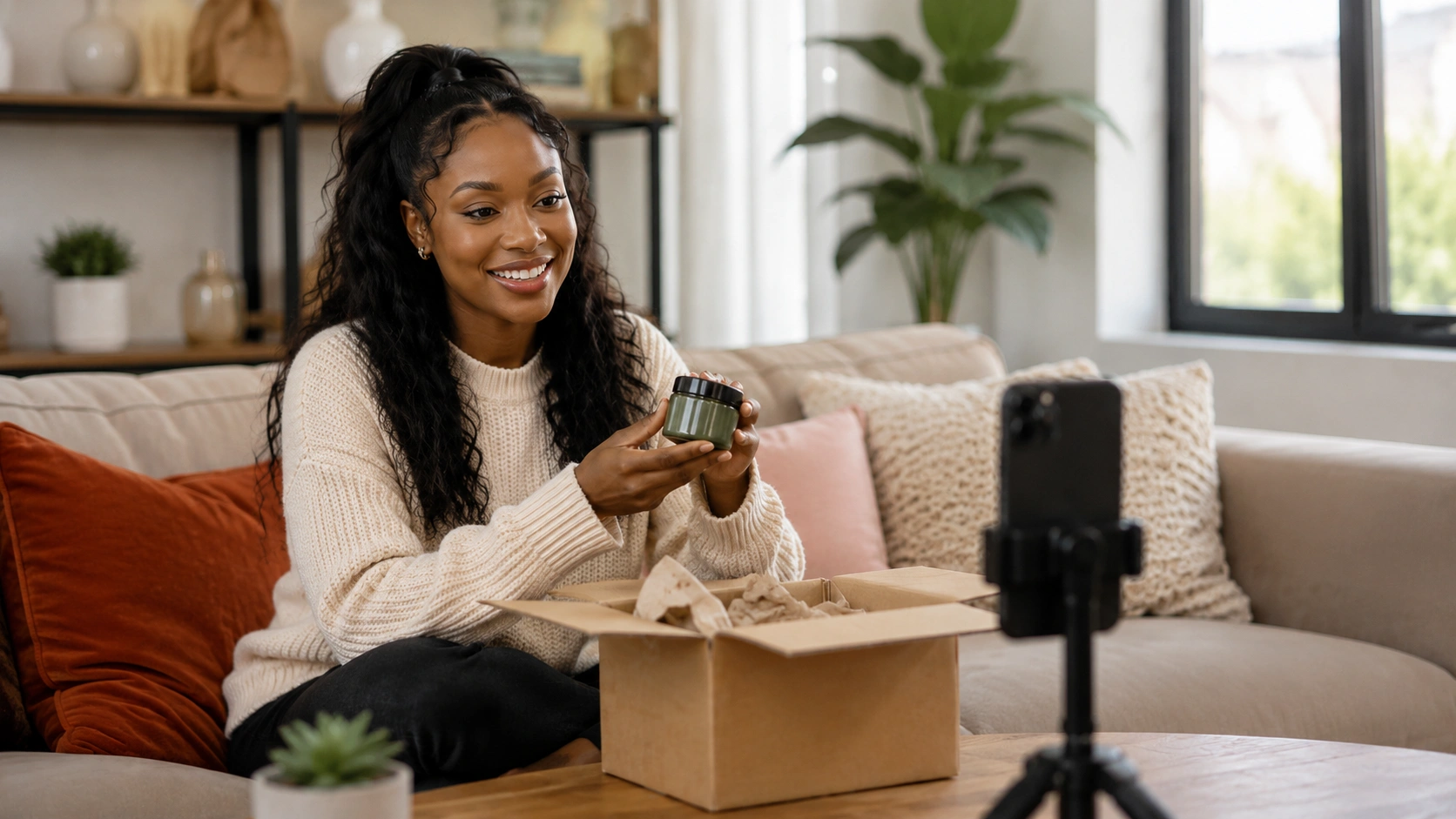
You don't need a professional studio to see results. A high-quality smartphone, a stable tripod, and a basic lighting kit (like a ring light) are usually sufficient for most brands. The most important technical requirement is a stable internet connection with an upload speed of at least 10Mbps to ensure a clear, high-definition broadcast.
How do I get people to show up to my live stream?
Success depends on pre-event promotion. Use your email and SMS lists to announce the event 24–48 hours in advance. Offer a "stream-only" incentive, such as a discount code or an exclusive product drop, to create a reason for people to tune in at a specific time.
How do I track the revenue from my live events?
You should use a platform that offers direct integration with your Shopify backend and provides full-funnel attribution. This allows you to track both direct revenue (sales during the stream) and influenced revenue (sales from viewers who buy later). Monitoring metrics like Add-to-Cart rate and Revenue Per Session will give you a clear picture of your ROI.
.webp)


