

Table of Contents
- Introduction
- The Revenue Case for Live Shopping
- Core Elements of the Most Engaging Live Shopping Experiences
- Choosing Your Live Shopping Platform
- A Step-by-Step Framework for Executing a High-Engagement Live Event
- Maximizing Post-Event Revenue: The Power of Repurposing
- Niche-Specific Engagement Strategies
- Measuring What Matters: Metrics for Operators
- Common Mistakes to Avoid in Live Commerce
- Technical Considerations: Page Speed and Core Web Vitals
- The Future of Live Shopping in 2026
- Conclusion
- FAQ
Introduction
Rising customer acquisition costs and stagnating conversion rates are forcing Shopify brands to look beyond static product pages. Modern shoppers demand more than just a grid of images; they want real-time validation and the ability to ask questions before they hit the buy button. Live shopping addresses these challenges by blending entertainment with commerce to drive measurable business outcomes. In 2026, the most engaging live shopping experiences are those that prioritize authenticity over high-end production and interactivity over one-way broadcasting. We built Videowise to help brands turn these video assets into high-converting revenue channels rather than just social experiments. This guide explores the strategic framework for executing live events that move the needle on revenue per session (RPS) and average order value (AOV).
The Revenue Case for Live Shopping
Live shopping has evolved from a social media trend into a core performance channel for ecommerce operators. While early adoption focused on "vanity metrics" like view counts, today's leaders focus on conversion rate (CVR) and retention. Brands typically see significantly higher conversion rates during live events compared to traditional storefront browsing.
The shift is driven by the immediate removal of friction. When a shopper has a question about the fit of a garment or the texture of a skincare product, they usually have to hunt for reviews or wait for a support ticket. Live shopping provides an instant feedback loop. This real-time education builds the trust necessary to finalize a purchase during the session. For a deeper breakdown of the format, see Live Video Commerce: The Complete Guide.
Key Takeaway: High-engagement live shopping works because it shortens the distance between product discovery and checkout. It replaces the "I'll think about it" mindset with a "buy now" environment.
Core Elements of the Most Engaging Live Shopping Experiences
Creating an engaging experience requires more than just a camera and a product. It requires a structured approach to how you present, interact, and close the sale. The following elements are non-negotiable for brands seeking to maximize revenue.
Host Authenticity and Expertise
The most successful hosts are not necessarily professional actors. They are founders, product designers, or deeply knowledgeable influencers who can speak to the nuances of the catalog. Operators often find that a brand's own team members perform best because their enthusiasm is genuine.
In 2026, shoppers are quick to spot a script. They want a "backstage pass" feel. If a product fails to work perfectly during a demo, a host who handles it with honesty often builds more trust than a polished, perfect commercial. This transparency is a powerful driver for customer loyalty.
Real-Time Interactivity
Interactivity is what separates live shopping from a recorded video. The most engaging experiences use live polls, Q&A sessions, and real-time chat to make the audience feel like they are part of the show.
When a host calls out a specific viewer’s question and answers it live, it provides social proof to everyone else watching. If one person is asking about the battery life of a gadget, ten others likely have the same question. Answering it live clears the path to purchase for the entire group simultaneously.
Scarcity and Exclusive Incentives
Live shopping is a high-urgency channel. To drive immediate action, brands must offer something that isn't available on the standard site. This could be a "live-only" discount code, an early-access product drop, or a limited-edition bundle.
Scarcity works best when it is visible. Mentioning that only 50 units of a featured item are left creates a Fear Of Missing Out (FOMO) that static pages cannot replicate. This psychological trigger is essential for converting passive viewers into active buyers.
| Feature | Engagement Impact | Revenue Impact |
|---|---|---|
| Live Chat/Q&A | High - builds community and trust. | Medium - answers objections directly. |
| Polls & Quizzes | High - keeps viewers active and watching. | Low - primarily a retention tool. |
| Flash Discounts | Medium - provides a "reason to watch." | High - drives immediate CVR and AOV. |
| Product Drops | Medium - creates hype. | High - sparks impulse purchases. |
Choosing Your Live Shopping Platform
Where you host your stream depends on your audience and your technical goals. Each platform offers different trade-offs between reach and control over the checkout experience.
Social Platforms (TikTok, Instagram, Facebook)
Social media platforms offer massive built-in audiences. They are excellent for top-of-funnel discovery and reaching new demographics. However, they often come with limitations regarding data ownership and the checkout process. While TikTok Shop has made strides in 1-click purchases, the brand still operates within a walled garden. If social is a major growth channel for you, the social commerce platform is worth exploring.
Amazon Live
For brands already selling on Amazon, this is a natural extension. The audience is already primed to shop, and the checkout process is familiar. It is particularly effective for electronics, home goods, and beauty products where comparison shopping is common.
On-Site Live Shopping
Hosting live events directly on your Shopify store is the most effective way to maximize revenue per session (RPS). If you want to install the Videowise app from the Shopify App Store, this is the right place to start. By bringing the live experience to your own domain, you maintain full control over your branding and customer data.
Our platform allows brands to host these interactive events without sacrificing site performance. When a shopper is on your site, there are fewer distractions. They are one click away from their cart, and you can offer a unified checkout experience that social platforms often lack.
Bottom line: Use social platforms for discovery and reach, but prioritize on-site live shopping for high-intent traffic and superior conversion data.
A Step-by-Step Framework for Executing a High-Engagement Live Event
Success in live commerce is 80% preparation and 20% execution. Follow this structured approach to ensure your stream is professional and profitable.
Step 1: Select the Right Product Mix
Do not try to feature your entire catalog. Choose 5–10 products that tell a cohesive story. If you are a skincare brand, focus on a specific routine (e.g., "The Morning Glow Set"). Products that benefit from a visual demonstration or have technical features that are hard to convey in photos are the best candidates.
Step 2: Develop a High-Level Script
You do not need a word-for-word script, but you do need an outline. Plan your transitions, your key talking points for each product, and when you will announce your "live-only" offers. Build in "engagement breaks" every 5–7 minutes where the host stops to answer questions from the chat.
Step 3: Promote Across All Channels
An event is only successful if people show up. Start promoting at least 7 days in advance.
- Email/SMS: Send a "save the date" and a "starting in 1 hour" reminder.
- Social Teasers: Use short-form video clips to show what products will be featured.
- Website Banners: Place a countdown timer on your homepage and relevant collection pages.
Step 4: Technical Run-Through
Test your lighting, audio, and internet connection. Poor audio is the fastest way to lose viewers. Ensure your host has a stable, high-speed connection and that the lighting clearly shows the product's details. Have a team member ready to moderate the chat and pin relevant products to the screen as they are mentioned.
Step 5: The "Go-Live" Execution
Start the stream with energy. Do not wait for a certain number of viewers to join before you begin talking. Reward the early arrivals with a quick giveaway or a "first look" at a new product. Keep the pace moving. If engagement dips on one product, move to the next one.
Maximizing Post-Event Revenue: The Power of Repurposing
The biggest mistake operators make is letting the live event die when the stream ends. The effort required to produce a 30-minute live show is significant; you must extract every bit of value from that content.
The most engaging live shopping experiences live on as shoppable video. You can take the best moments from your live stream—the product demos, the expert answers, the unboxings—and turn them into short-form clips for your Product Detail Pages (PDPs).
Using our AI Clips tools, you can automatically identify high-impact segments and publish them as shoppable videos across your store. This turns a one-time event into a long-term conversion driver. A video of a host answering a common question about a product’s fit can be placed directly next to the "Add to Cart" button on the PDP to resolve last-minute hesitations.
Key Takeaway: Repurposing live content into on-site shoppable video ensures that your investment continues to drive revenue long after the live event has concluded.
Niche-Specific Engagement Strategies
Different categories require different tactics to keep shoppers watching and buying.
Fashion and Apparel
Fit and movement are the primary concerns. Hosts should try on items in real-time, showing how the fabric moves and how the sizing compares to other popular brands. Interactive polls like "Which color should I try on next?" keep the audience involved in the presentation.
Beauty and Cosmetics
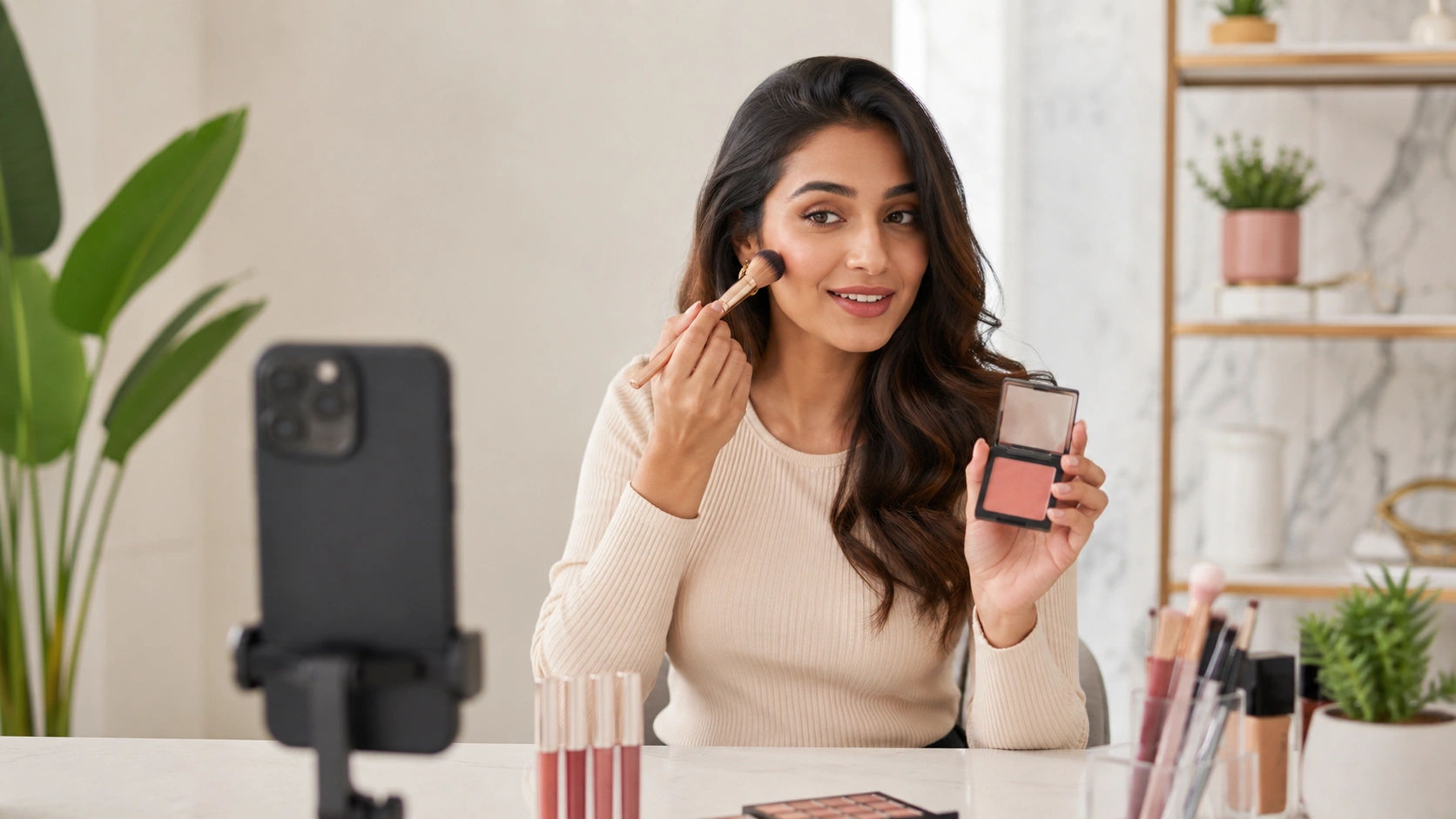
Education is the driver here. Use the live format to show application techniques and immediate results. High-definition close-ups of textures and finishes help bridge the gap between digital browsing and a physical "counter" experience.
Electronics and Home Goods
Focus on problem-solving. Show the product in its intended environment. If it is a kitchen appliance, show it actually preparing food. Answer technical questions about specs and compatibility that are often buried in long descriptions.
Measuring What Matters: Metrics for Operators
To understand if your live shopping strategy is working, you must look past view counts and "likes." Those are vanity metrics that do not pay the bills. Instead, track the following key performance indicators (KPIs):
- Conversion Rate (CVR): The percentage of viewers who made a purchase during or immediately after the event.
- Average Order Value (AOV): Compare the AOV of live shoppers versus standard site shoppers. Live events often drive higher AOV due to bundling and exclusive offers.
- Revenue Per Session (RPS): This is the ultimate efficiency metric. It tells you exactly how much money each viewer is worth to your brand.
- Influence Revenue: Track shoppers who watched the live stream but didn't buy until a day or two later. This shows the long-term impact of video education.
For a real-world proof point, the Skullcandy case study shows how shoppable video can improve revenue per session without sacrificing page speed.
Bottom line: Successful live shopping is a performance marketing channel. If you cannot track its direct impact on revenue, you are treating it like a hobby rather than a business strategy.
Common Mistakes to Avoid in Live Commerce
Even experienced brands can fall into traps that kill engagement and revenue.
Myth: You need a professional film crew to be successful. Fact: High-production "TV style" commercials often feel cold and untrustworthy. Raw, mobile-first video often converts better because it feels more authentic to the digital shopper.
Don't ignore the mobile experience. Over 70% of live shopping happens on mobile devices. If your graphics are too small or your host is standing too far from the camera, mobile viewers will drop off. Always test your stream on a phone before going live.
Don't forget the checkout. If a viewer has to leave the stream, find a search bar, and look for the product themselves, you will lose the sale. Ensure that products are tagged and "clickable" directly within the video player for a friction-free experience.
Don't let the chat go unanswered. A live stream with a "dead" chat feels lonely and uninspired. If you don't have enough viewers yet to spark natural conversation, have a few "seeded" questions ready to go. The host should actively engage with the chat by name whenever possible.
Technical Considerations: Page Speed and Core Web Vitals
For Shopify brands, site performance is critical. Many live shopping tools use heavy scripts that can slow down your site, hurting your search engine rankings and increasing bounce rates.
At Videowise, we prioritize performance-first infrastructure. Our video delivery is optimized to ensure that your live events and shoppable videos do not negatively impact your Core Web Vitals. If you want a closer look at what we measure, Content Performance analytics can help you connect video engagement to revenue. You should never have to choose between an engaging shopping experience and a fast-loading website. A slow site kills the conversion lift that live shopping is supposed to provide.
The Future of Live Shopping in 2026
As we move deeper into 2026, we expect to see even more integration between AI and live commerce. AI-powered assistants will likely help moderators manage chat at scale, answering basic shipping and policy questions so the host can stay focused on the products.
We also anticipate a rise in hyper-personalization. Imagine a live stream where the products shown in the sidebar are tailored to each individual viewer’s past browsing history. This level of customization will make live shopping even more relevant and profitable for high-SKU retailers.
Conclusion
The most engaging live shopping experiences are built on a foundation of trust, interactivity, and strategic revenue goals. By moving beyond the social media "hype" and integrating live commerce directly into your Shopify store, you can build a sustainable growth channel that drives higher AOV and CVR.
Our mission at Videowise is to provide the infrastructure that turns every video into a measurable revenue asset. From the live stream itself to the AI-powered clips that live on your PDPs, we help you scale your video strategy without adding complexity or slowing down your site. The era of passive ecommerce is over; it’s time to start selling in real-time.
Ready to turn your video content into a revenue engine? Install the Videowise app from the Shopify App Store.
Prefer a guided walkthrough? Book a demo to see our commerce-first video platform in action.
FAQ
What is the ideal length for a live shopping event?
Most successful events run between 30 and 45 minutes. This provides enough time to demonstrate several products and answer questions without losing the audience's attention. If you have a very large catalog or a high-traffic event, you can extend to 60 minutes, but keep the energy high and the product transitions frequent.
Do I need a celebrity or a major influencer to host?
No, authenticity often outperforms celebrity status. While a major influencer can bring a new audience, a knowledgeable brand founder or a passionate store manager often drives higher conversion rates. The key is finding someone who is comfortable on camera and can speak expertly about the products being sold.
How do I track the revenue from my live shopping events?
The most effective way is to use a platform with built-in commerce analytics. You should be able to track direct purchases made during the stream, as well as "influenced" revenue from shoppers who watched the video and bought later. Always use unique discount codes or UTM parameters if you are streaming across multiple social platforms simultaneously. For a deeper look at measurement, see How To Track Shoppable Video Performance on Shopify With Videowise.
Can I host a live shopping event directly on my Shopify store?
Yes, and for most brands, this is the most profitable strategy. Hosting on your own site allows you to own the customer data, maintain your brand identity, and provide a unified checkout process. The Andar case study shows how a live shopping event can run directly on a Shopify storefront without added complexity.
.webp)


