

Table of Contents
- Introduction
- The Revenue Case for Live Commerce in Thailand
- Platform Strategy: Where to Deploy Your Budget
- The Content Playbook: Moving Beyond the "Sell"
- Managing Influencers and KOLs (Key Opinion Leaders)
- Technical Execution: Protecting the Customer Experience
- Measuring What Matters: Success Metrics for 2026
- Step-By-Step: Launching Your Live Commerce Operation
- The Role of AI in Scaling Live Commerce
- Avoiding Common Pitfalls in the Thai Market
- Bottom Line: The Future is Shoppable
- FAQ
Introduction
As acquisition costs on traditional social channels continue to climb in 2026, ecommerce operators in Southeast Asia are facing a critical inflection point. In Thailand specifically, the transition from passive browsing to active "shoppertainment" has matured. It is no longer enough to run standard ads; brands must now capture attention through real-time interaction to maintain healthy margins. At Videowise, we see this shift as a fundamental move toward high-velocity commerce where video becomes the primary driver of the transaction.
This guide explores the specific landscape of live commerce Thailand, focusing on the platforms, creator strategies, and technical infrastructure required to turn live streams into measurable revenue. We will move past the hype of "viral moments" to look at the metrics that actually matter for your Shopify store: Conversion Rate (CVR), Average Order Value (AOV), and Revenue Per Session (RPS).
The Revenue Case for Live Commerce in Thailand
Thailand has become the regional blueprint for live commerce success. By 2026, live streaming accounts for approximately 20% of all ecommerce activity in the country. This isn't just driven by entertainment; it's driven by a consumer base that demands immediate answers and a "human" touch before clicking the buy button.
For an ecommerce director, the value proposition of live commerce Thailand is three-fold:
- Compressed Sales Funnel: A shopper moves from discovery to checkout in a single session.
- Increased Trust: Real-time demonstrations reduce the "perception gap," leading to lower return rates.
- Higher AOV: Bundling products and offering "live-only" incentives encourages larger cart sizes.
If you want a practical reference point, review a live shopping case study.
Key Takeaway: Live commerce in Thailand has shifted from a brand awareness tactic to a core performance channel. Success is now measured by the efficiency of the "pinned basket" and the ability to convert high-intent viewers into repeat customers.
Platform Strategy: Where to Deploy Your Budget
Choosing the right platform for live commerce Thailand depends on your brand’s maturity and where your customers spend their time. While the ecosystem is diverse, three primary players dominate the landscape. For social-led selling, social commerce tools belong in the mix too.
TikTok Shop Thailand
TikTok has fundamentally changed the discovery engine. With its "Live with a Pinned Basket" model, the platform allows creators to guide thousands of concurrent viewers directly to a product page. For brands in the fashion, beauty, and FMCG (Fast-Moving Consumer Goods) sectors, TikTok is the primary volume driver. The algorithm prioritizes high-engagement content, meaning your "shoppertainment" value directly impacts your reach.
Shopee and Lazada Live
While TikTok dominates discovery, Shopee and Lazada remain the heavyweights for high-intent shopping. Consumers on these platforms are often already in a "buying" mindset. Features like "Coin" rewards and integrated platform vouchers make these ideal for flash sales and seasonal campaigns. The integration between the live stream and the user’s saved payment methods creates a low-friction path to purchase.
On-Site Live Shopping
The most overlooked opportunity for Shopify brands is bringing the live experience to their own domain. Relying solely on third-party platforms means you lose control over the customer data and the overall brand experience. Using our performance-first infrastructure, brands can host live shopping events directly on their site. This allows you to capture the 20% of buyers who might otherwise drop off due to platform fees or distractions on social media apps.
The Content Playbook: Moving Beyond the "Sell"
Successful live commerce Thailand operations don't just "show" products; they create an environment where the product solves a problem in real-time. Operators must balance the energy of the host with the technical requirements of the platform.
The "Shoppertainment" Formula
In Thailand, viewers expect a high level of engagement. This often includes music, interactive games, and "drama-style" storytelling. However, from an operator's perspective, this entertainment must serve a conversion goal. Every segment of the live stream should have a dedicated Call to Action (CTA).
Category-Specific Tactics
- Beauty & Fashion: Focus on texture, fit, and real-time application. Use multi-angle cameras to show details that static images miss.
- Electronics & Gadgets: Focus on performance testing. Answering technical questions live can overcome the hesitation associated with high-ticket items.
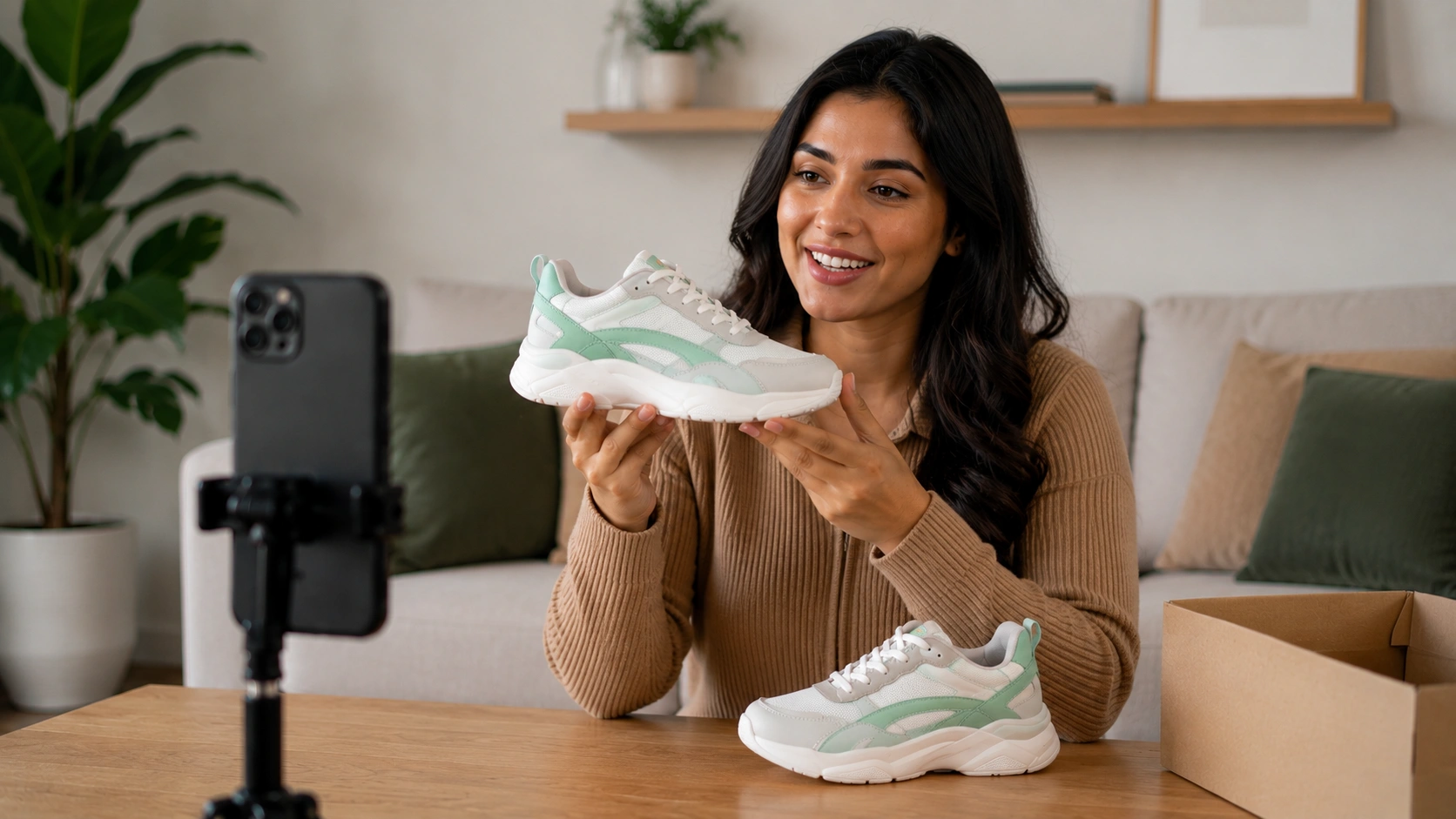
- Home & Kitchen: Focus on the "unboxing" and setup process. Showing how easy a product is to use in a real home environment builds immediate credibility.
Quick Answer: Live commerce Thailand is the integration of real-time video streaming with ecommerce functionality, allowing shoppers to purchase products directly within a video interface. It is currently a dominant sales channel in Thailand, driven by TikTok Shop, Shopee, and Lazada.
Managing Influencers and KOLs (Key Opinion Leaders)
The Thai market is creator-led. With over 9 million influencers in the country, finding the right partner is critical. In 2026, the market has moved away from flat-fee "shoutouts" toward performance-based models.
The Performance-Based Model
Operators are increasingly using a "1,000 orders per X amount" pricing structure. This aligns the creator’s incentives with the brand’s revenue goals. When selecting a KOL, look beyond follower counts. Analyze their "selling power"—their ability to move a viewer from the "comment" section to the "checkout" screen.
The Rise of Nano and Micro-Influencers
While top-tier celebrities can drive massive traffic, nano-influencers (10k–50k followers) often have higher conversion rates for niche products. Their audiences are more engaged and view the influencer as a trusted peer rather than a paid spokesperson. For a brand with a large SKU count, a "fleet" of micro-influencers running regular streams is often more sustainable than one-off mega-events.
Technical Execution: Protecting the Customer Experience
A common mistake for brands entering the live commerce Thailand space is neglecting the technical health of their own store. If a live stream drives 10,000 visitors to a Shopify PDP (Product Detail Page) that takes six seconds to load, the conversion lift will be neutralized by the bounce rate.
Performance-First Infrastructure
At Videowise, we prioritize Core Web Vitals (CWV)—the specific metrics Google uses to measure page speed and user experience. When you integrate shoppable video or live shopping on your site, it must not slow down the Largest Contentful Paint (LCP) or increase Cumulative Layout Shift (CLS). We use advanced loading techniques to ensure that video content is ready when the user needs it, without taxing the browser during the initial page load.
Syncing Inventory and Pricing
Nothing kills a live commerce session faster than a "Sold Out" message appearing too late. Your live commerce platform must sync in real-time with your Shopify backend. This ensures that when a host says "only 10 left," the inventory count is accurate across all channels.
Measuring What Matters: Success Metrics for 2026
If you aren't tracking revenue, you're just making content. Operators must move past "views" and "likes" to focus on hard attribution, and Content Performance analytics makes that measurable.
| Metric | Definition | Importance for Live Commerce |
|---|---|---|
| CVR (Conversion Rate) | The % of viewers who complete a purchase. | Measures the effectiveness of the host and the offer. |
| AOV (Average Order Value) | The average amount spent per transaction. | Measures the success of upsells and bundling during the stream. |
| RPS (Revenue Per Session) | Total revenue divided by the number of sessions. | The ultimate health check for live commerce efficiency. |
| Influence Revenue | Sales that happen within 24–48 hours of a view. | Captures the "long-tail" value of the video content. |
Myth: High viewership numbers always lead to high sales. Fact: High engagement without a clear checkout path or "pinned basket" strategy often results in "window shopping" that doesn't hit the bottom line.
Step-By-Step: Launching Your Live Commerce Operation
For a Shopify operator, the goal is to build a repeatable system that scales. Follow these steps to establish your presence in the Thai market.
Step 1: Define Your Revenue Objective
Are you clearing out old inventory or launching a new flagship product? Your goal determines your platform choice and your host selection. Clear objectives allow you to calculate your target ROAS (Return on Ad Spend) before the stream starts.
Step 2: Source and Train Your Talent
Whether using internal staff or external KOLs, your hosts must understand the product’s USP (Unique Selling Proposition) and the technical aspects of the platform. Conduct a "dry run" to ensure the host can manage the chat while simultaneously demonstrating the product.
Step 3: Prepare the Tech Stack
Ensure your Shopify store is optimized for a traffic surge. Get Started With Shoppable Videos Using Videowise shows how to capture social traffic and turn it into owned data. Use our platform to tag products accurately within the video so the "Buy Now" button is always accessible.
Step 4: Execute and Engage
During the live stream, use real-time analytics to adjust. If a specific product is getting more questions, spend more time on it. Use "flash coupons" to create urgency when viewership peaks.
Step 5: Post-Stream Repurposing
The value of a live stream shouldn't end when the broadcast stops. Use AI Clips to automatically cut high-converting moments into short-form videos. These can be embedded on PDPs or used in email and SMS marketing to continue driving revenue for weeks.
The Role of AI in Scaling Live Commerce
Scaling a live commerce operation manually is resource-intensive. In 2026, successful operators use AI to handle the "heavy lifting" of content production.
AI-Powered Content Intelligence
AI tools can now tag products automatically and manage usage rights across thousands of UGC (User-Generated Content) assets. This allows a brand to move from one live stream a week to five, without quintupling their headcount.
AI Studio and Video Optimization
We provide AI Studio tools that help brands optimize their video assets for maximum conversion. By analyzing which parts of a video lead to a "add to cart" action, operators can refine their scripts and visual layouts. This data-driven approach removes the guesswork from creative production.
Avoiding Common Pitfalls in the Thai Market
While the opportunity is vast, there are several "hidden costs" that can erode margins if not managed carefully.
- Platform Fees and Commissions: TikTok and Shopee take a percentage of every sale. Operators must factor these into their COGS (Cost of Goods Sold) to ensure they aren't selling at a loss during high-discount events.
- Order Cancellations: In Thailand, "Cash on Delivery" (COD) is still prevalent. This can lead to higher-than-average cancellation rates if the "post-purchase" experience isn't seamless.
- Content Fatigue: Running the same format every day will eventually lead to diminishing returns. Brands must constantly innovate their "shoppertainment" elements to keep the audience coming back.
Bottom Line: The Future is Shoppable
The live commerce Thailand trend is not a passing fad; it is the evolution of how humans buy things online. By 2026, the distinction between "watching" and "shopping" has disappeared. For Shopify brands, the winning strategy involves a mix of high-reach social platforms and high-conversion on-site experiences.
Our mission is to help you bridge this gap. If you want to see the workflow in action, book a demo.
If you're ready to move from planning to launch, install Videowise from the Shopify App Store.
FAQ
What are the most popular platforms for live commerce in Thailand?
The dominant platforms are TikTok Shop, Shopee Live, and Lazada Live. TikTok is currently the leader for discovery and creator-led commerce, while Shopee and Lazada are preferred for high-intent shoppers looking for platform-specific discounts and vouchers. Brands are also increasingly using on-site live shopping to own the customer data and brand experience.
How do I measure the success of a live commerce campaign?
Success should be measured by conversion-focused metrics like CVR, AOV, and Revenue Per Session (RPS). While "view counts" and "likes" provide a sense of reach, they do not directly correlate with profit. Advanced operators also track "influenced revenue," which accounts for sales made shortly after a viewer interacts with a video. For a deeper framework, see How To Track Shoppable Video Performance on Shopify With Videowise.
Do I need a celebrity influencer to succeed in Thailand?
No, while celebrities can drive massive traffic, they often come with high upfront costs and lower conversion rates than niche experts. Many brands see better results by working with a "fleet" of micro-influencers or nano-influencers who have a deep, trusted connection with a specific audience. These creators are often more cost-effective and can be engaged on performance-based contracts.
How does live video affect my Shopify store's page speed?
Standard video embeds can significantly slow down a site, hurting your search rankings and user experience. However, using a performance-first infrastructure like ours ensures that video content is delivered using optimized loading techniques. This maintains your Core Web Vitals and ensures that the added interactivity doesn't lead to a higher bounce rate due to slow load times. For a deeper walkthrough, read How Your Shopify Store Can Grow With Shoppable Video Using Videowise.
.webp)


