

Table of Contents
- Introduction
- What is Retail Live Shopping?
- The Business Case: Moving Beyond Vanity Metrics
- Strategic Frameworks for Live Events
- Implementing Retail Live Shopping on Shopify
- Technical Performance and Site Speed
- Repurposing Content with AI
- Measuring Performance and Attribution
- Common Pitfalls to Avoid
- The Future of Live Shopping in 2026
- Conclusion
- FAQ
Introduction
Ecommerce operators today face a difficult landscape. Customer acquisition costs continue to climb while organic reach on social platforms often feels like a moving target. To maintain healthy margins, brands must find more efficient ways to convert existing traffic and build deeper loyalty. Retail live shopping has emerged as a high-performance solution to these challenges. In 2026, it is no longer just a trend for experimental brands. It is a fundamental revenue driver for the modern Shopify store.
We designed Videowise's shoppable video platform to bridge the gap between video engagement and measurable commerce. This guide covers how to implement a live shopping strategy that prioritizes business outcomes like conversion rate and average order value. We will explore the technical requirements for high-speed video delivery and the strategic frameworks needed to scale.
What is Retail Live Shopping?
Quick Answer: Retail live shopping is a digital commerce format where brands use real-time video to demonstrate products and interact with an audience. It combines the immediacy of live broadcasting with integrated checkout features, allowing viewers to purchase products without leaving the video stream.
At its core, retail live shopping is the evolution of home shopping networks for the mobile-first era. It is an interactive, two-way conversation between a brand and its customers. Unlike traditional video, which is static and passive, live shopping allows for real-time questions, live demonstrations, and instant social proof through a communal chat.
For an operator, the primary value lies in the collapsing of the marketing funnel. A single live session can handle discovery, education, and conversion simultaneously. In 2026, this format is widely adopted across categories like fashion, beauty, electronics, and home goods because it addresses the modern shopper's desire for authenticity and speed.
The Technical Evolution of Live Commerce
Early iterations of live shopping often relied exclusively on third-party social media platforms. While these are excellent for reach, they often keep the customer data and the checkout experience within their own walled gardens.
The current standard for high-growth brands is a hybrid approach. This involves broadcasting to social platforms while simultaneously hosting a high-performance, shoppable stream directly on the brand’s own store. This ensures the brand owns the customer journey and the data associated with every click and purchase. This is exactly where Videowise's social commerce feature fits.
The Business Case: Moving Beyond Vanity Metrics
Many brands mistake video views for success. For a growth manager or ecommerce director, a million views mean nothing if they do not result in a higher Revenue Per Session (RPS). RPS is calculated by dividing total revenue by the number of sessions, and it serves as the ultimate metric for video efficiency.
Retail live shopping impacts the bottom line through three primary levers:
- Conversion Rate (CVR) Lift: By answering product questions in real-time, hosts remove the friction that usually leads to cart abandonment. When a shopper sees a live demonstration of a product's size, texture, or utility, their confidence increases.
- Increased Average Order Value (AOV): Live shows allow for natural bundling and "complete the look" styling. Operators often see shoppers adding multiple items to their cart as the host demonstrates how different products work together.
- Lower Return Rates: One of the hidden costs of ecommerce is the "bracketed" purchase—where a customer buys three sizes and returns two. Live shopping provides a much clearer understanding of the product, leading to more accurate purchasing decisions and fewer returns.
Key Takeaway: Live shopping should be evaluated as a performance marketing channel. Track direct revenue from the stream and influenced revenue from shoppers who watched the video before purchasing later in the same session.
Strategic Frameworks for Live Events
To succeed, an operator must move away from the idea of "going live" as a one-off stunt. It requires a repeatable framework. Successful brands typically categorize their events into three distinct formats:
The Product Drop
This format creates a "hype" moment. It is used for new collection launches or limited-edition collaborations. The goal is to drive a massive spike in traffic and clear inventory quickly. The focus here is on urgency and exclusivity.
The Educational Workshop
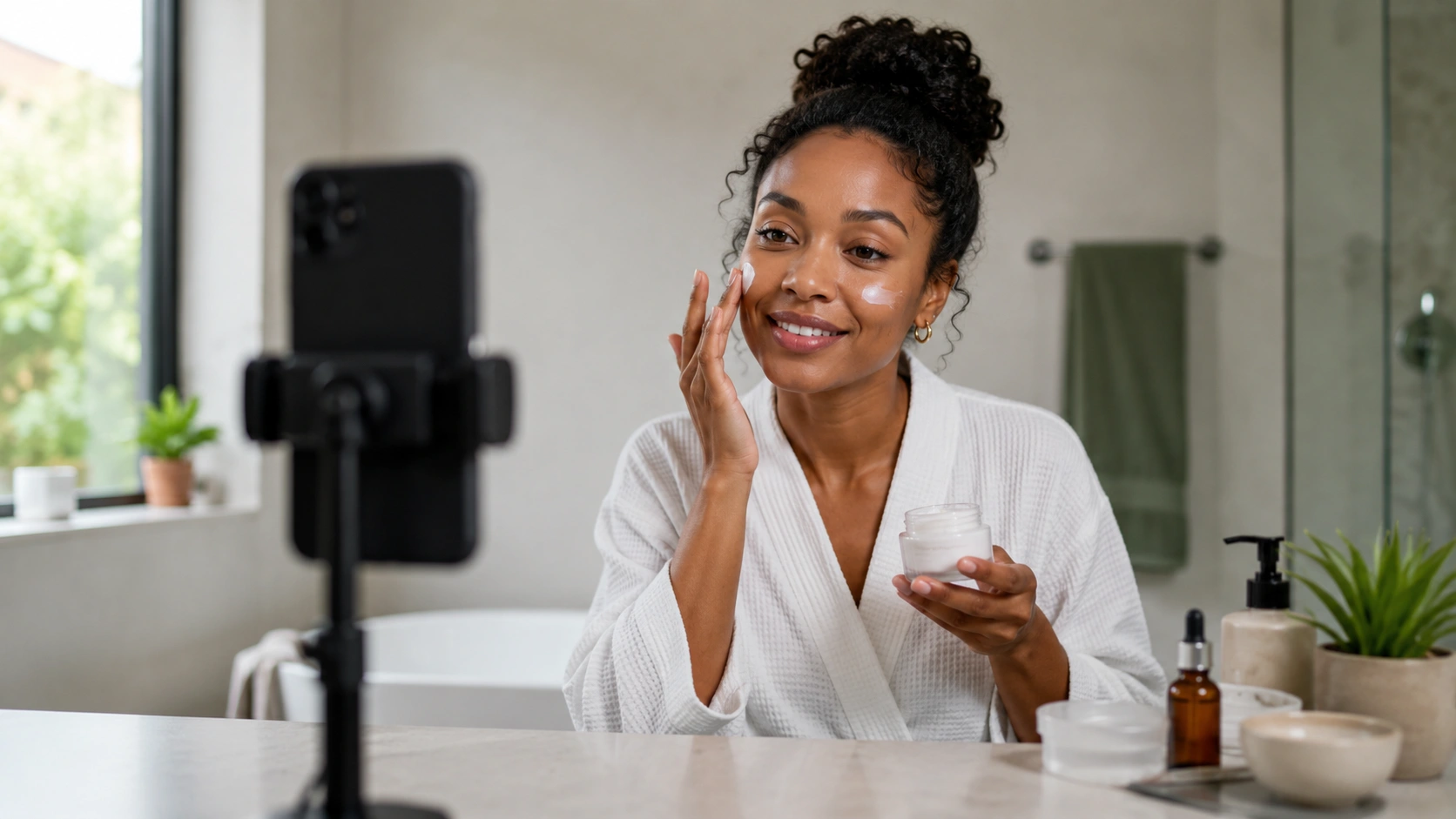
Common in beauty and electronics, these sessions focus on "how-to" content. A skincare brand might host a session on building a morning routine. The conversion happens because the viewer feels empowered and informed, rather than "sold to."
The Behind-the-Scenes or AMA
"Ask Me Anything" (AMA) sessions with founders or designers build significant brand equity. These sessions are less about a specific product and more about the brand’s story. They are highly effective for retention and increasing customer lifetime value.
| Format Type | Primary Objective | Best For |
|---|---|---|
| Product Drop | Revenue Spikes | New Collections, Limited Inventory |
| Educational | CVR & Trust | Beauty, Tech, Complex Products |
| AMA/BTS | Retention | Brand Loyalty, Storytelling |
| Flash Sale | Inventory Clearance | Seasonal Shifts, Overstock |
Implementing Retail Live Shopping on Shopify
Executing a successful live event requires coordination across your tech stack and marketing team. Here is the step-by-step process for an operator to launch and scale this channel.
Step 1: Define the Objective and Host
Before choosing products, decide what the "win" looks like for the session. Is it moving 500 units of a specific SKU? Or is it gathering 1,000 new email subscribers? Once the goal is set, select a host. This could be an internal product expert, a founder, or a professional influencer. Authenticity is more valuable than production polish in 2026.
Step 2: Select and Prepare Inventory
Use your Order Management System (OMS) to ensure you have deep enough stock for the featured items. There is nothing more damaging to the customer experience than a live host promoting an item that is already sold out. Coordinate with your merchandising lead to set aside specific "live" inventory if necessary.
Step 3: Configure the On-site Experience
While social platforms are useful for discovery, your highest-margin sales happen on your own site. Ensure your live stream is embedded on a dedicated landing page or your homepage. This is where Videowise's live shopping feature provides a distinct advantage. Our infrastructure allows you to host interactive, shoppable live events that load instantly.
Step 4: Distribution and Promotion
Do not rely on the "going live" notification alone. A successful event requires a 48-hour promotional window:
- Email & SMS: Send a "Save the Date" 24 hours before and a "We're Live" message at the start.
- Social Teasers: Use short-form video clips to preview the products that will be featured.
- On-site Banners: Use a countdown timer on your homepage to build anticipation.
Step 5: Real-time Moderation and Engagement
During the stream, you need at least one person dedicated to the chat. They should be answering technical questions, dropping links to specific products, and pinning important comments. This allows the host to stay focused on the camera while the moderator handles the transactional details.
Technical Performance and Site Speed
A common concern for ecommerce directors is that adding video will slow down the store. In an era where Core Web Vitals (a set of metrics Google uses to measure page speed and user experience) directly impact search rankings, this is a valid fear. For a deeper look, see how shoppable videos perform on your ecommerce store.
Traditional video embeds often "bloat" a page, leading to high Largest Contentful Paint (LCP) scores, which indicate a slow-loading main content area. However, modern video commerce infrastructure is built to solve this.
Myth: High-quality live video will inevitably hurt my store's page speed. Fact: Using performance-first infrastructure allows for video loading that doesn't block the rest of the page from rendering, maintaining healthy Core Web Vitals.
Our platform uses optimized delivery networks and "lazy-loading" techniques to ensure the video only consumes resources when the shopper is ready to interact with it. This allows for an immersive retail live shopping experience without the technical debt typically associated with video.
Repurposing Content with AI
A 60-minute live stream is a goldmine of content, but most brands let it die once the broadcast ends. To maximize the return on your investment, you must repurpose the footage.
In 2026, operators use AI Clips to automatically identify high-intent moments in a long-form live stream. The AI can detect when a specific product is being discussed and create a 15-second "shoppable" snippet. These snippets can then be embedded on the relevant Product Detail Pages (PDPs).
This creates a virtuous cycle:
- You host a live event to drive immediate revenue.
- The event is archived as a shoppable replay for latecomers.
- AI-generated clips are distributed across your site to boost CVR for everyday traffic.
- Short-form clips are used in email and SMS marketing to re-engage shoppers.
By treating a live stream as a content production session, you significantly lower the "cost per piece" of your video assets.
Measuring Performance and Attribution
To scale retail live shopping, you must move beyond basic "view counts." You need to understand how video influences the entire customer journey. Operators should look for a Content Performance Analytics dashboard that tracks:
- Direct Sales: Revenue generated during the live event from the integrated checkout.
- Influenced Revenue: Purchases made by users who watched at least 30 seconds of the video but didn't buy through the live widget.
- Engagement Rate: The percentage of viewers who clicked a product tag or asked a question.
- Watch Time: Identifying the "drop-off" point helps you refine the length and pacing of future shows.
By looking at these metrics, we can see which hosts drive the most sales and which time slots perform best for your specific audience. This data-driven approach is what separates a professional live shopping strategy from a hobby. For more examples across different metrics, browse our customer stories.
Common Pitfalls to Avoid
Even with the best tools, strategy mistakes can hinder growth. Here are the most frequent errors we see in the field:
- Over-production: High-end studio lighting and scripted teleprompters often feel "fake" to modern shoppers. The "lo-fi" look of a phone on a tripod often converts better because it feels like a FaceTime call with a friend.
- Ignoring the Replay: Up to 70% of live shopping revenue can come from the replay in the 48 hours following the event. Ensure your replay is just as shoppable as the live version.
- Complicated Checkout: If a user has to leave the video, log in, and navigate through four pages to buy, they won't. The checkout must be "inline," meaning it happens within the video overlay.
- Lack of Consistency: One live show every six months will not build a community. The most successful brands on Shopify treat live shopping like a TV show—same day, same time, every week.
For a real-world example of turning live shows into lasting revenue, the Andar live shopping case study is worth a look.
Bottom line: Success in live commerce requires a shift in mindset from "creating an ad" to "building a recurring destination" for your customers.
The Future of Live Shopping in 2026
The landscape is shifting toward more personalized experiences. We are seeing the rise of "1-to-few" shopping sessions, where a VIP stylist hosts a live event for a small group of high-value customers. This level of exclusivity allows for much higher AOV and a "white-glove" service feel in a digital environment.
Furthermore, the integration of live shopping with TikTok Shop and other social commerce channels is becoming more streamlined. Brands that can manage their inventory and content across both their Shopify store and their social channels from a single command center will be the ones that dominate their categories. For a closer look at that channel, read about live shopping inside Shop App.
Conclusion
Retail live shopping is the most direct way to humanize your digital storefront and drive measurable revenue. By combining the excitement of a live event with the friction-free nature of modern ecommerce, brands can overcome the limitations of static product pages.
We built Videowise to empower brands to turn video into a primary revenue channel. Our mission is to provide the infrastructure that makes every video interaction shoppable, measurable, and fast. For the operator, this means higher conversion rates and a more engaged community without the typical technical hurdles.
If you are ready to move beyond basic video embeds and start driving real business outcomes, now is the time to integrate live shopping into your growth strategy. Install our platform from the Shopify App Store or explore the full experience in a personalized demo to see how we can transform your site into a high-converting video destination.
FAQ
What equipment do I need to start retail live shopping?
You do not need a professional studio to begin. A high-quality smartphone, a stable tripod, and a simple ring light are sufficient for most high-growth brands. The focus should be on clear audio and a stable internet connection rather than expensive camera gear.
How do I track the ROI of my live shopping events?
Track ROI by using a platform that offers direct attribution from the video to the Shopify checkout. You should monitor direct revenue, influenced revenue, and the impact on AOV compared to non-video sessions. Many brands also use event-specific discount codes to track offline or delayed conversions.
Should I host my live stream on social media or my website?
The most effective strategy is to do both simultaneously. Use social media for its massive reach and to pull new audiences into your ecosystem. However, host the "primary" experience on your own website to ensure you own the customer data and provide a faster, more integrated checkout experience.
How often should my brand go live?
Consistency is more important than frequency. Starting with one high-quality session per week allows you to build a routine with your audience. As you scale and see a positive return on investment, you can increase the frequency for specific product launches or seasonal sales events.
.webp)


