

Table of Contents
- Introduction
- The Revenue Case for Live Commerce in 2026
- Choosing Your Live Shopping Infrastructure
- Step 1: Defining Your Live Shopping Format
- Step 2: Selecting and Training the Right Host
- Step 3: Technical Setup and Performance Optimization
- Step 4: Building the Promotional Calendar
- Step 5: Executing the Live Stream
- Step 6: Repurposing Content with AI
- Measuring Success: Beyond Vanity Metrics
- Scaling Your Live Shopping Program
- Conclusion
- FAQ
Introduction
Static product pages are no longer enough to sustain growth in a landscape where customer acquisition costs continue to climb. Ecommerce operators are facing a conversion plateau where traditional high-fidelity photography fails to answer the immediate, nuanced questions that lead to a purchase. Live shopping has emerged as a critical solution to this friction, offering a real-time bridge between product discovery and checkout. At Videowise, we focus on transforming these video interactions into measurable revenue through performance-first infrastructure, starting with Videowise's live shopping platform. This guide covers how to implement a live shopping strategy that prioritizes conversion rate (CVR) and average order value (AOV) while maintaining site speed. You will learn how to select the right platforms, train hosts, and measure the technical impact of your live events on your bottom line.
Quick Answer: To do live shopping effectively, you must integrate a real-time video stream with an integrated checkout, allowing viewers to buy products without leaving the experience. Success requires a dedicated host, a structured promotional window, and a platform that supports direct revenue attribution and low-latency delivery.
The Revenue Case for Live Commerce in 2026
Live shopping is often misunderstood as a mere engagement play. For a senior operator, the value lies in its ability to condense the marketing funnel into a single session. By 2026, the US live commerce market is projected to reach nearly $68 billion, driven by a shift toward interactive, high-intent shopping environments. For a deeper breakdown of the format, see Videowise’s live video commerce guide.
The primary advantage of live shopping is the immediate reduction of "buyer's block." When a shopper can see a garment's drape in motion or ask about the specific texture of a skincare cream, the path to purchase is cleared. This leads to higher Conversion Rates (CVR) compared to standard PDPs (Product Detail Pages).
Furthermore, live shopping naturally boosts Average Order Value (AOV) through real-time bundling and cross-selling. A host demonstrating a fitness routine can easily upsell resistance bands alongside a primary apparel purchase. Finally, by capturing intent in the moment, brands see a significant lift in Revenue Per Session (RPS), as the live format discourages the "save for later" behavior that often leads to abandoned carts.
Choosing Your Live Shopping Infrastructure
Operators must decide between hosting events on social platforms or within their own ecommerce ecosystem. While social platforms offer reach, on-site live shopping offers control over the data and the checkout experience. Videowise’s social commerce feature covers the social side of that equation.
Social Platforms vs. On-Site Hosting
Social commerce platforms like TikTok Shop and Instagram Live are excellent for top-of-funnel discovery. They leverage existing audiences and the platform's native algorithms. However, they often "rent" you the audience, making it difficult to own the customer relationship or track full-funnel attribution.
On-site live shopping, integrated directly into your Shopify store, ensures that the traffic you drive stays within your ecosystem. This approach allows for a "frictionless" checkout where the customer doesn't have to navigate away from the video to complete their purchase.
| Feature | Social Platforms (TikTok/IG) | On-Site Live Shopping |
|---|---|---|
| Audience Ownership | Platform-owned | Brand-owned |
| Data & Attribution | Limited / Siloed | Full-funnel tracking |
| Checkout Experience | In-app (Native) | Integrated Store Checkout |
| Site Speed Impact | None (External) | Critical (Requires optimization) |
| Primary Goal | Brand Awareness / Reach | Conversion / Retention |
Key Takeaway: Don't choose one over the other; use social platforms for discovery and on-site live shopping to convert your high-intent email, SMS, and returning traffic.
Step 1: Defining Your Live Shopping Format
Before going live, you must determine the structure of your event. A wandering, unscripted stream often leads to high drop-off rates and low conversion.
- The Product Drop: Best for high-growth brands with a loyal following. This format creates a sense of scarcity and urgency. Use a countdown timer and exclusive "live-only" inventory to drive immediate sales.
- The Expert Q&A / AMA: Ideal for technical products, beauty, or wellness. A subject matter expert answers real-time questions, building the trust necessary for high-ticket items.
- The "How-To" Tutorial: Focuses on utility. By showing how a product solves a specific problem, you move the customer from "what is this?" to "how do I use this?"
- The Behind-the-Scenes (BTS): Humanizes the brand. Showing the warehouse, the design studio, or the founders helps build long-term brand equity, though it typically sees lower immediate CVR than product-focused formats.
Step 2: Selecting and Training the Right Host
The host is the most important variable in your live shopping success. You do not necessarily need a celebrity; you need a communicator who understands the product and can manage a live chat.
In-house experts (product designers, lead estheticians, or founders) often outperform external influencers because they possess deep product knowledge. They can answer technical questions on the fly, which is critical for building buyer confidence.
If you hire an external influencer, prioritize their ability to engage with a live audience over their follower count. A host who ignores the chat is essentially just running a TV commercial. They must be trained to acknowledge viewers by name, repeat key product benefits every few minutes for new arrivals, and clearly direct people toward the checkout button.
Step 3: Technical Setup and Performance Optimization
The biggest fear for ecommerce directors is that adding video will slow down their site. Core Web Vitals—the metrics Google uses to measure user experience, such as Largest Contentful Paint (LCP)—are non-negotiable for SEO and conversion.
When implementing live shopping, you must ensure your platform uses a performance-first infrastructure. This means the video player should not block the rest of the page from loading. Shoppable video platform performance should be built for speed from the start. Viewport loading and efficient data delivery are essential. You want the video to be crisp and low-latency, but it shouldn't come at the expense of your site's speed score.
Our platform, Videowise, is built specifically to handle these high-demand video assets without harming page performance. We ensure that the interactive elements—like product tags and carousels—are lightweight and responsive, so the shopper's experience remains fast on both desktop and mobile.
Step 4: Building the Promotional Calendar
You cannot simply "go live" and expect an audience to appear. A successful event requires a 7-to-10-day promotional window.
- T-Minus 7 Days: Announce the event via email and social media. Focus on the "why"—is it an exclusive discount, a new product, or a limited-time bundle?
- T-Minus 3 Days: Use SMS marketing to drive sign-ups. Create a calendar invite or a "remind me" button on a dedicated landing page.
- T-Minus 24 Hours: Share "sneak peeks" or "behind the scenes" prep on Instagram Stories or TikTok.
- Go-Live: Send a final SMS and email blast the moment the camera starts rolling.
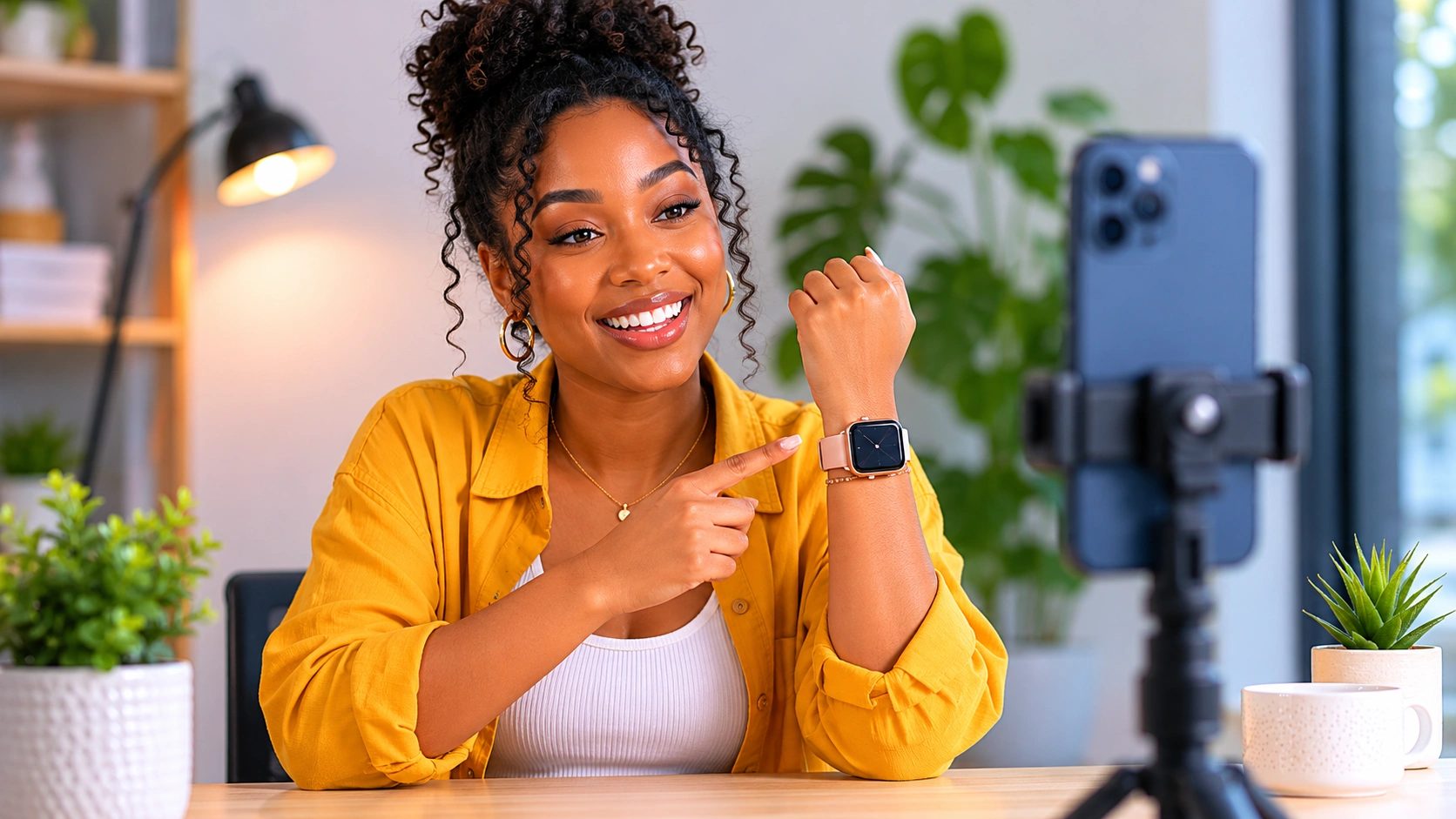
Myth: Live shopping requires a Hollywood-level production crew to be successful. Fact: High-production value can actually feel "too corporate" for live shopping. Most top-performing Shopify brands use a high-quality smartphone, a ring light, and a clean, branded background to create an authentic, approachable atmosphere.
Step 5: Executing the Live Stream
During the event, the host should follow a loose script that allows for "planned spontaneity." For a real-world example, see the Andar live shopping case study.
The Introduction: Spend the first 2-3 minutes welcoming people, stating the purpose of the live, and explaining how to shop. Do not wait for a "large enough" audience to start delivering value; remember that many will watch the replay.
The Product Loop: Every 10-15 minutes, re-introduce the key products and the offer. New viewers are constantly joining and leaving; they need to know what they are looking at without scrolling back.
The Interactive Feedback Loop: Use polls and Q&A. If someone asks, "Does this top run small?" the host should ideally show the tag or compare it to another size live. This real-time validation is what separates live shopping from traditional video marketing.
The Integrated Checkout: Ensure the products being discussed are pinned to the screen. The viewer should be able to click a "Buy Now" button that adds the item to their cart or opens a checkout drawer immediately. Every extra click is a point of potential drop-off.
Step 6: Repurposing Content with AI
The live event shouldn't end when the stream stops. For an operator, the ROI of a 60-minute live session is maximized when that content is chopped up and used across the store.
Using AI Clips, we can automatically identify the most engaging moments of a live stream—like a specific product demo or a great customer question—and turn them into short-form videos. These clips can then be placed on relevant PDPs or collection pages. This ensures that the "live" energy continues to drive revenue long after the event is over.
Bottom line: Live shopping is a high-effort activity; repurposing the footage into shoppable video for your PDPs ensures the effort translates into long-term conversion lift, not just a one-day spike.
Measuring Success: Beyond Vanity Metrics
Standard video metrics like "total views" or "likes" are vanity metrics. To understand the true impact of live shopping on your Shopify store, you must track revenue-centric data.
Direct vs. Influenced Revenue
- Direct Revenue: Transactions that happen while the user is actively watching the live stream.
- Influenced Revenue: Transactions that happen within a specific window (e.g., 24-48 hours) after a user has viewed the live stream or a replay.
Engagement Depth
Instead of just "views," look at average watch time. If viewers are dropping off after 30 seconds, your hook is weak. If they stay for 10 minutes but don't click, your CTA or product offer isn't compelling enough.
Content Performance Analytics
Use a centralized dashboard to track which products saw the highest "add-to-cart" rate during the stream with Content Performance analytics. This data should inform your future merchandising decisions. If a specific bundle performed exceptionally well live, consider making it a permanent fixture on your site.
Scaling Your Live Shopping Program
Once you have mastered the one-off event, the goal is to turn live shopping into a recurring revenue channel.
- Bulk Publishing: If you manage multiple stores or a large catalog, use tools that allow you to publish live replays or shoppable clips across hundreds of pages at once.
- UGC Integration: Incorporate User-Generated Content (UGC) into your live shows. Showing a real customer's video review during a live stream adds an extra layer of social proof.
- Live Shopping Series: Establish a "Tuesday Tech Talk" or "Friday Fashion Drop." Consistency builds a habit in your customer base, leading to higher retention and lower promotional costs over time.
For more proof points across different use cases, browse the customer stories.
Conclusion
Live shopping is a powerful tool for any Shopify brand looking to humanize its digital presence and drive immediate sales. By focusing on a revenue-first approach—prioritizing integrated checkouts, host expertise, and technical performance—you can turn a simple video stream into a sophisticated sales engine. At Videowise, we are committed to helping brands turn every video interaction into a measurable growth opportunity. Whether you are running a high-stakes product launch or a weekly Q&A, the key is to keep the path to purchase short and the engagement high. If you'd like to see how this would work on your store, book a demo.
Ready to see how shoppable video can transform your site's performance? Install Videowise from the Shopify App Store or book a demo to explore our live shopping capabilities.
FAQ
How many people do I need to run a live shopping event?
At a minimum, you need two people: one host to be on camera and one moderator to manage the live chat and pin products. The moderator ensures that questions are answered and that the technical side of the stream—like highlighting the correct product tag—is handled while the host focuses on the presentation.
Can I do live shopping if I have a small audience?
Yes, because the value of live shopping extends to the replay. Even if only 50 people watch live, the recorded session can be repurposed into shoppable clips for your product pages, where it will continue to convert shoppers for months. If you want the broader setup playbook, getting started with shoppable videos is a useful next step.
What is the ideal length for a live shopping stream?
Most successful ecommerce live streams last between 30 and 60 minutes. This provides enough time to cover multiple products, answer deep-dive questions, and allow for a natural "build-up" of the audience, while still being short enough to keep viewers' attention.
Do I need special equipment to start?
No, a modern smartphone with a high-quality camera is sufficient for most brands. Invest in a stable tripod and a basic lighting setup (like a ring light or softbox) to ensure the product is clearly visible, and use a plug-in microphone if you are in a noisy environment to ensure the audio is crisp.
.webp)


