

Table of Contents
- Introduction
- Why Live Shopping Tools Are Critical for 2026 Revenue
- Core Features to Evaluate in a Live Selling Platform
- Comparing the Best Live Shopping Tools for Shopify
- Technical Performance: Why Page Speed is Non-Negotiable
- Strategies for Running Successful Live Events
- Measuring Success: Beyond Vanity Metrics
- Overcoming Content Production Bottlenecks
- The Future of Live Shopping: AI and Personalization
- Conclusion
- FAQ
Introduction
Rising customer acquisition costs and stagnating conversion rates have forced Shopify operators to rethink how they engage traffic. In 2026, static product pages are no longer enough to capture the attention of a high-intent shopper. Live shopping has emerged as a critical tool for brands to build trust and drive immediate transactions through real-time interaction. At Videowise, we see live shopping as a core pillar of a high-performance commerce strategy.
If you're comparing platforms, the fastest way to separate marketing claims from real outcomes is to review Videowise customer stories. This guide examines the best live shopping tools available to help you choose a platform that prioritizes revenue outcomes over vanity metrics. We will cover technical requirements, platform comparisons, and the specific features that move the needle on your bottom line.
Quick Answer: Live shopping tools are software platforms that enable brands to broadcast real-time video directly to their store or social channels with integrated checkout. The best tools for 2026 prioritize low-latency streaming and deep ecommerce integration to ensure viewers can buy products without leaving the video player.
Why Live Shopping Tools Are Critical for 2026 Revenue
The ecommerce landscape has shifted from passive browsing to active discovery. Operators are moving away from traditional marketing funnels because shoppers now expect immediate answers to their product questions. Live shopping satisfies this need by combining the urgency of a limited-time event with the personal touch of an in-store sales associate.
When you implement the right tool, you aren't just adding a video player. You are creating a high-converting sales channel. These tools solve the primary friction point in digital retail: the gap between interest and purchase. By allowing a host to demonstrate a product and answer questions live, you reduce the perceived risk for the buyer. This leads to measurable lifts in conversion rate (CVR) and revenue per session (RPS).
Core Features to Evaluate in a Live Selling Platform
Not all live shopping tools are created equal. Some focus on social reach, while others focus on on-site conversion. For a growth manager or ecommerce director, the following features are non-negotiable for a professional setup.
Interactive Product Tags and Inline Checkout
The most important feature of any live commerce tool is the ability to buy within the experience. If a shopper has to pause the stream, navigate to a new page, and find a product manually, you will lose the sale. Look for tools that offer shoppable video platform capabilities. These allow shoppers to add items to their cart directly from the video overlay. Inline checkout takes this a step further by keeping the transaction inside the player, minimizing the steps to completion.
Low-Latency Streaming Infrastructure
Latency is the delay between the host speaking and the viewer hearing it. High latency ruins live interaction. If a customer asks a question in the chat and it takes thirty seconds for the host to see it, the conversation feels disjointed. Modern platforms in 2026 use advanced streaming protocols, and Videowise's live shopping platform is built to keep the experience as close to real-time as possible.
Multi-Channel Simulcasting
Your audience is fragmented across TikTok, Instagram, and your own website. Managing separate streams for each is an operational nightmare. A top-tier live shopping tool like Videowise's social commerce platform allows you to broadcast to multiple destinations simultaneously from a single dashboard. This expands your reach without doubling your production workload.
Performance Analytics and Attribution
You cannot optimize what you do not measure. A revenue-focused operator needs more than just "view counts" or "likes." You need to track direct revenue, influenced revenue, and the specific impact on Average Order Value (AOV). Effective tools provide a full-funnel view from the moment a shopper joins the stream to the final checkout with video analytics and revenue attribution.
Comparing the Best Live Shopping Tools for Shopify
The market for live shopping tools is diverse. The right choice depends on your brand's specific goals, whether you are prioritizing social media discovery or high-intent on-site conversion.
Videowise: The Revenue-First Choice
Videowise focuses on turning video into a measurable revenue channel. We built our platform to integrate deeply with the Shopify checkout, ensuring that every live event is optimized for conversion. Our infrastructure is designed for performance, meaning your live streams won't negatively impact your Core Web Vitals (the metrics Google uses to measure page speed and user experience). We provide AI-powered tools that help you manage your creative library and repurpose live content into AI video clips for your product description pages (PDPs).
TikTok Shop
TikTok has become a dominant force in live commerce. Its toolset is built for discovery and impulse buying. The main advantage is the massive built-in audience. However, the trade-off is a lack of control over your customer data. For brands focused on rapid growth and viral product drops, TikTok Shop shoppable videos are an essential secondary channel. It works best when used alongside an on-site solution to capture different segments of the market.
Bambuser
Bambuser is a veteran in the live video space. They offer high-production-value tools suitable for enterprise-level brands. Their platform is excellent for "One-to-Many" broadcasts and "One-to-One" personal shopping sessions. While powerful, it often requires a more significant investment in production and technical setup. It is a strong fit for luxury brands that need a polished, white-label experience. If you're comparing enterprise options, the Videowise vs. Bambuser comparison is worth reviewing.
Sprii
Sprii focuses heavily on the retail aspect of live shopping. They offer unique "Comment-to-Buy" functionality, which is highly effective on social platforms like Facebook and Instagram. When a user comments a specific keyword, the tool automatically sends them a checkout link. This is particularly useful for boutique brands and retailers with a highly engaged social following.
| Feature | Videowise | TikTok Shop | Bambuser |
|---|---|---|---|
| Primary Goal | On-site CVR & AOV | Social Discovery | Enterprise Branding |
| Data Ownership | Full | Limited | Full |
| Speed Impact | Optimized for CWV | N/A (App-based) | Moderate |
| Checkout Type | On-site/Inline | In-app | On-site |
Technical Performance: Why Page Speed is Non-Negotiable
A common fear among ecommerce operators is that adding live video will slow down their store. This is a valid concern. Heavy video scripts can hurt your Largest Contentful Paint (LCP), which is a key part of Core Web Vitals. If your page speed drops, your conversion rates will likely follow, and your SEO rankings could suffer.
Key Takeaway: Performance infrastructure is just as important as the video content itself. Choose a tool that uses viewport loading—where the video player only loads when it enters the shopper's screen—to protect your page speed.
Myth: Video always slows down my store. Fact: High-performance video tools use specialized content delivery networks (CDNs) and optimized loading logic to ensure that your Core Web Vitals remain healthy while delivering high-quality video.
Strategies for Running Successful Live Events
Selecting a tool is only half the battle. To see a meaningful lift in revenue, you must execute a strategy that prioritizes the shopper's experience and creates urgency.
Step 1: Define the Event Goal
Are you launching a new product? Clearing out end-of-season inventory? Or perhaps hosting an educational session? Your goal dictates your format. For a product launch, focus on the unique features and exclusive "live-only" discounts. For inventory clearance, a fast-paced "deal of the minute" format works best.
Step 2: Select the Right Host
A host doesn't need to be a professional actor. In 2026, authenticity is more valuable than high production value. A knowledgeable founder, a passionate store manager, or a trusted influencer can often drive more sales than a polished presenter. The host must be able to answer technical questions and keep the energy high.
Step 3: Promote Across All Channels
Don't rely solely on the "Live" notification. Use your email and SMS lists to build anticipation. Send out "Save the Date" reminders 48 hours before the event and a "We're Live" link the moment the camera starts rolling. This ensures you have a base audience from the start.
Step 4: Use Real-Time Engagement Tools
Encourage viewers to participate. Use polls to ask which color of a product they prefer. Offer exclusive discount codes that only work during the stream. These tactics keep viewers in the player longer, increasing the likelihood of a purchase.
Step 5: Repurpose the Content
The value of a live event shouldn't end when the stream stops. Take the best moments from your live broadcast and use AI Clips to turn them into short-form shoppable videos. These can be embedded on your PDPs or homepages to continue driving revenue long after the event is over.
Measuring Success: Beyond Vanity Metrics
When evaluating your live shopping tools, ignore "vanity metrics" like total views or likes. These do not pay the bills. Instead, focus on the metrics that reflect actual business growth.
For a deeper framework on what to measure, read Video Commerce ROI: The Complete Measurement Guide.
- Conversion Rate (CVR): The percentage of viewers who made a purchase. Compare this to your site-wide average to see the true impact of the live format.
- Average Order Value (AOV): Live shopping often leads to higher AOV because hosts can suggest complementary products (upselling and cross-selling) in real-time.
- Revenue Per Session (RPS): This is the ultimate metric for an operator. It measures the average dollar amount generated every time a user joins a session.
- Influenced Revenue: Some shoppers may watch a live stream and buy later. A robust analytics tool will help you attribute these sales to the video content, even if the purchase happens a few days later.
Overcoming Content Production Bottlenecks
One of the biggest hurdles to scaling live shopping is the amount of content required. Operators often worry they don't have enough "stuff" to go live weekly. In 2026, the answer is not more production—it is smarter management.
By using a centralized Creative Library or UGC Hub, you can store and organize all your video assets in one place. You can pull in customer-generated content from TikTok or Instagram and use it as part of your live broadcast. This reduces the pressure on your team to create every second of video from scratch. For a practical rollout plan, see getting started with shoppable videos using Videowise. Automation and AI-powered tagging allow you to find the right clip at the right time, making your live shows feel more dynamic and information-rich.
The Future of Live Shopping: AI and Personalization
As we move through 2026, AI is becoming deeply integrated into live shopping tools. We are seeing AI-powered moderators that can handle basic customer service questions in the chat while the host stays focused on the demonstration. We are also seeing smarter personalization, where the products shown in the sidebar during a live stream are tailored to the individual viewer's browsing history.
For a Shopify brand, the goal is to stay ahead of these trends without becoming a tech company. You need a platform that handles the technical complexity so you can focus on your products and your customers.
Conclusion
Live shopping is no longer an experimental channel; it is a proven driver of revenue for brands that prioritize performance and interaction. Choosing from the available live shopping tools requires a clear understanding of your goals. If you want to scale your Shopify store by increasing CVR and AOV without sacrificing page speed, an on-site, performance-first solution is essential.
At Videowise, we are committed to helping brands turn every video into a measurable sales opportunity. Our platform is built specifically for the needs of the modern ecommerce operator who values data, speed, and revenue above all else. The most successful brands in 2026 will be those that bridge the gap between content and commerce.
Bottom line: Success in live commerce requires a tool that balances low-latency engagement with a high-performance checkout experience.
To see how interactive video can transform your store’s performance, book a demo with our team.
If you're ready to try it yourself, install Videowise from the Shopify App Store today.
FAQ
What is the difference between social live shopping and on-site live shopping?
Social live shopping takes place on platforms like Instagram or TikTok, reaching a broad audience but offering limited control over customer data and branding. On-site live shopping occurs directly on your Shopify store, allowing you to own the customer relationship, track full attribution, and ensure the experience is perfectly aligned with your brand's aesthetic.
Will adding live shopping tools slow down my Shopify store's page speed?
Not if you use a performance-first platform. Modern live shopping tools use techniques like lazy loading and optimized scripts to ensure that the video player only impacts the browser when necessary. This allows you to maintain high Core Web Vitals scores while offering an immersive video experience. For the broader shoppable-video approach, see Videowise's shoppable video guide.
Do I need a professional studio to start using live shopping tools?
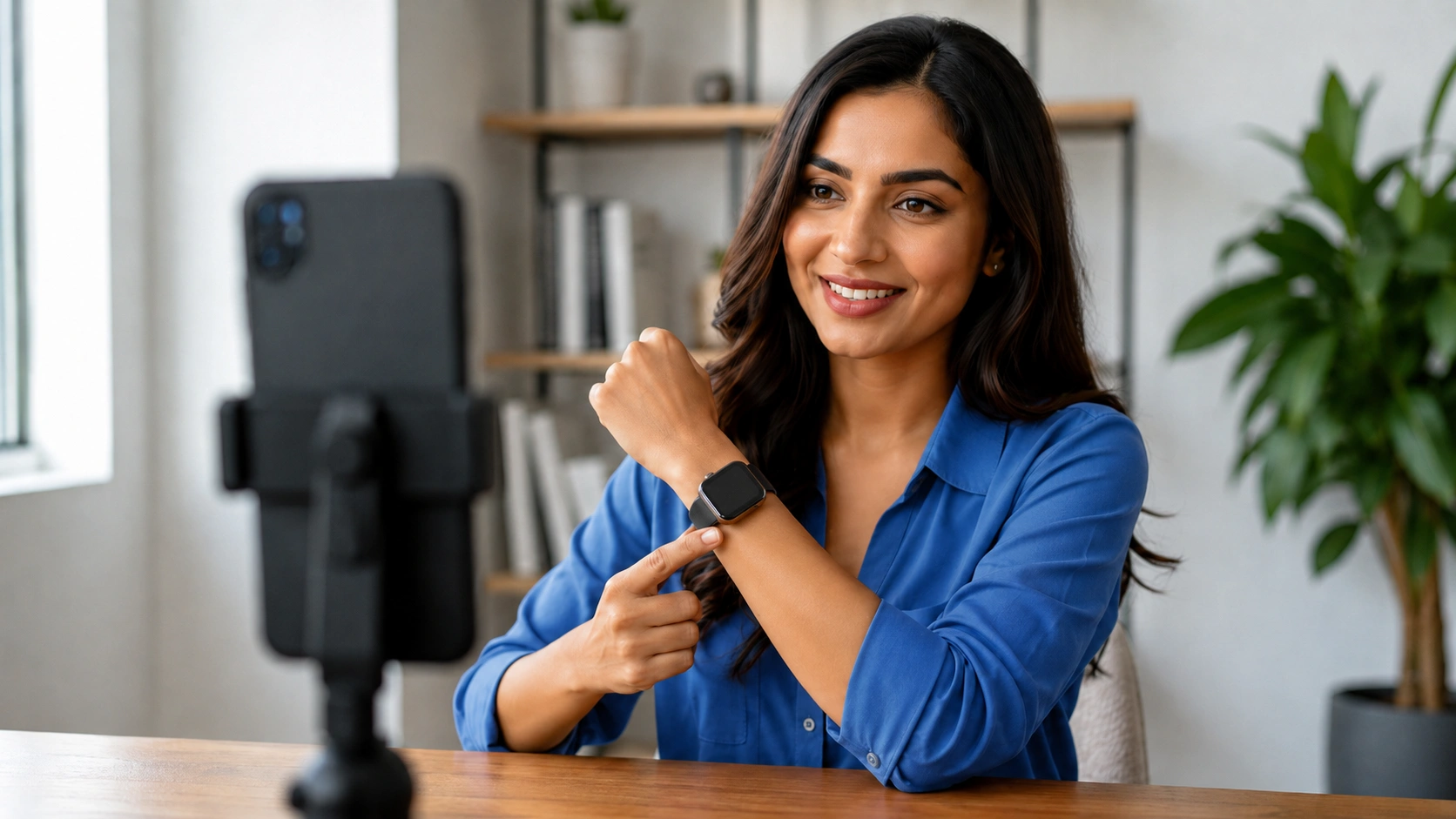
No, a professional studio is not required for success. Most high-growth brands in 2026 use a simple setup consisting of a high-quality smartphone, good lighting, and a knowledgeable host. Shoppers often prefer the authenticity of a real-world setting over a polished, overly-produced television style.
How do I measure the return on investment for live shopping?
Focus on revenue-based metrics rather than engagement. Look at the direct conversion rate of the stream, the increase in AOV for customers who engaged with the video, and the overall Revenue Per Session (RPS). High-quality tools will provide an analytics dashboard that attributes sales directly to your live events.
.webp)


