

Table of Contents
- Introduction
- The Revenue Case for Live Shopping in 2026
- Key Features Small Businesses Need
- 10 Best Live Shopping Apps for Small Businesses
- Choosing the Right App: A Strategic Framework
- How to Execute Your First Live Stream
- Measuring Success Beyond the View Count
- Turning Live Shows into Evergreen Assets
- Conclusion
- FAQ
Introduction
Static product pages are no longer enough to win in a crowded Shopify ecosystem. As acquisition costs climb, operators are looking for ways to maximize the revenue potential of every visitor. Live shopping has emerged as a high-velocity solution to this problem. It bridges the gap between the interactive nature of a physical store and the convenience of digital commerce. For small businesses, the challenge is choosing a tool that drives measurable revenue without requiring a massive production budget or slowing down the storefront. If you're evaluating options, start with Videowise's shoppable video platform, built for fast-loading, shoppable experiences. At Videowise, we focus on turning video into a high-performance revenue channel that protects your site speed. This guide evaluates the best live shopping apps for small businesses based on their ability to drive conversion rate (CVR) and average order value (AOV) in 2026.
The Revenue Case for Live Shopping in 2026
Live shopping is not just about video. It is about collapsing the marketing funnel into a single session. In a traditional ecommerce flow, a customer might see an ad, click a link, browse a product page, read reviews, and eventually purchase. This journey is full of friction points where shoppers drop off.
Live selling changes this dynamic. A host demonstrates the product, answers questions in real-time, and provides social proof through the live chat. This interaction builds immediate confidence. Operators using live commerce often report a significant lift in Revenue Per Session (RPS) compared to static collection pages. For a broader framework on how the format works, read the live video commerce guide.
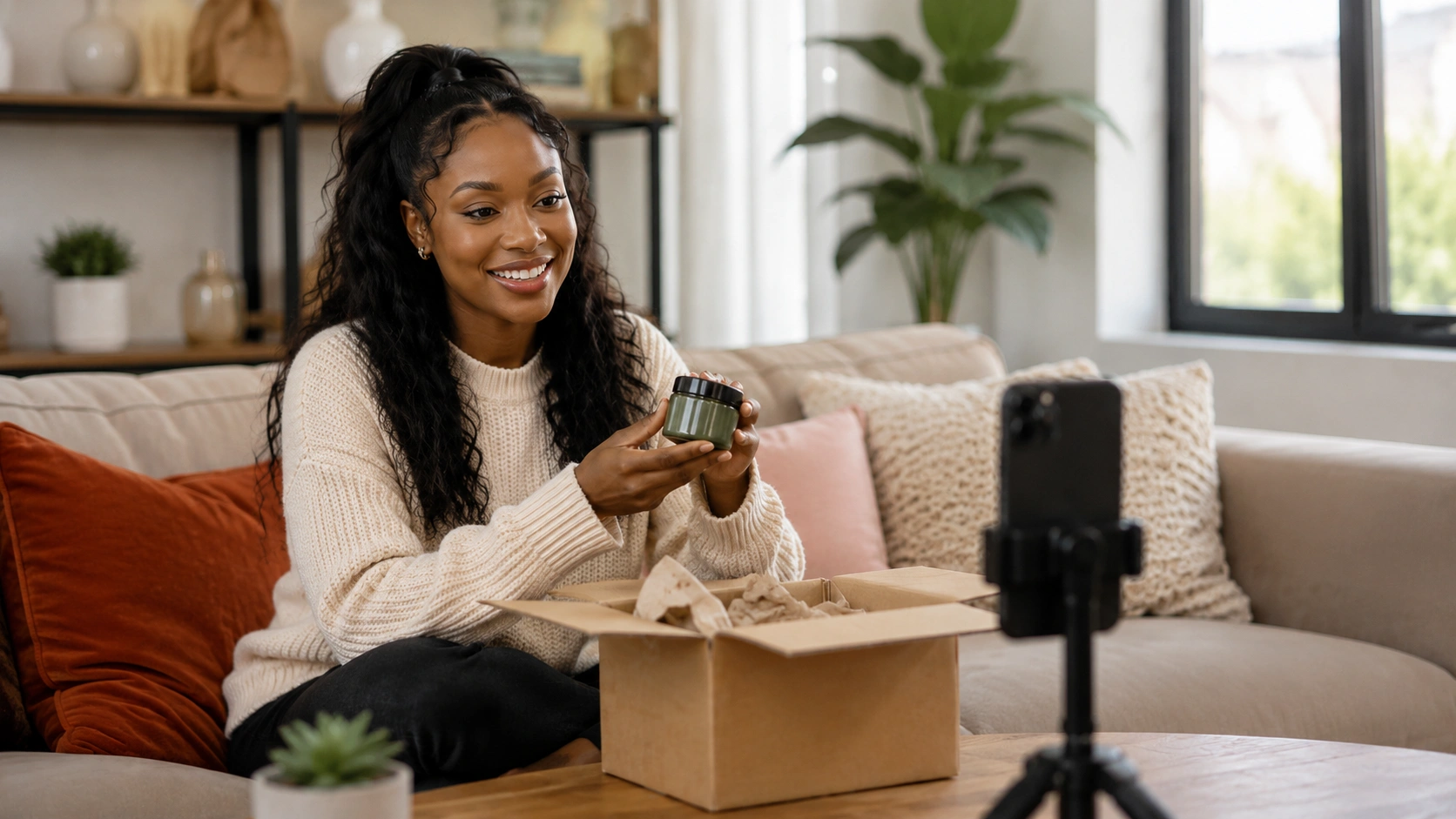
Small businesses specifically benefit from live video because it humanizes the brand. You do not need a television studio. A founder with a smartphone and a deep knowledge of their products can often outperform a polished, corporate production. The goal is to move the customer from "just looking" to "checking out" within minutes.
Key Features Small Businesses Need
Before selecting an app, you must understand which features actually move the needle. Avoid getting distracted by vanity metrics like "likes" or "emoji reactions." Focus on the tools that facilitate the transaction.
Integrated Checkout
The most critical feature is the ability to buy without leaving the stream. If a customer has to navigate away to a separate tab to finish their purchase, conversion rates will plummet. Look for "Add to Cart" overlays that function directly within the video player. If you want to see that flow in practice, explore Videowise's live shopping platform.
Real-Time Inventory Syncing
Nothing kills customer trust faster than buying an item live only to receive an "out of stock" email later. Your live shopping app must sync directly with your Shopify or commerce backend. This ensures that when an item sells out, it is immediately reflected in the stream.
Multi-Stream Capabilities
Small teams need to work efficiently. Multi-streaming allows you to go live on your website, Instagram, and Facebook simultaneously. If your strategy spans TikTok Shop and Instagram, social commerce tools for those channels can help unify the workflow. This broadens your reach while keeping your management overhead low.
Performance-First Infrastructure
Many video apps are heavy. They can bloat your code and hurt your Core Web Vitals (CWV), which are the metrics Google uses to measure page experience. Slow pages lead to higher bounce rates and lower search rankings. Our platform is built to deliver high-quality video commerce without compromising these essential speed scores. For a real-world proof point, see ALPAKA's performance-first case study.
10 Best Live Shopping Apps for Small Businesses
1. Sprii
Sprii is designed for brands that want to dominate multiple channels at once. It allows you to broadcast to your website and social media feeds from a single dashboard.
- Best For: Multichannel consistency.
- Key Advantage: It offers robust automation for cart reminders and abandoned cart notifications specifically for live viewers.
- Operator Insight: The branded video graphics help small teams look like major retailers without hiring a graphic designer for every show.
2. Channelize.io
Channelize.io provides a comprehensive set of features for on-site live shopping. It is highly customizable, making it a favorite for brands that want the video player to feel like a native part of their website design.
- Best For: On-site conversion and UI customization.
- Key Advantage: The "Miniplayer" feature allows shoppers to continue watching the stream in a floating window while they browse other product pages.
- Operator Insight: It integrates deeply with Shopify, PrestaShop, and WooCommerce, ensuring a smooth setup for technical leads.
3. TikTok Shop
TikTok has become a powerhouse for live commerce in 2026. Because the algorithm prioritizes content based on interest rather than just follower count, small businesses can reach thousands of new customers instantly.
- Best For: Product discovery and reaching younger demographics.
- Key Advantage: The native "Flash Sale" timers create a high sense of urgency that drives impulse purchases.
- Operator Insight: Success here requires high energy and frequent broadcasts. It is a high-volume, high-reach play.
4. Amazon Live
If you already sell on the Amazon marketplace, Amazon Live is a natural extension. It places your stream directly on your product listings and store pages.
- Best For: Existing Amazon sellers looking to boost their marketplace ranking.
- Key Advantage: The "Rising Star" program rewards consistent streamers with better placement on the Amazon homepage.
- Operator Insight: Use this to clear inventory or launch new SKUs within the Amazon ecosystem.
5. Instagram Live Shopping
Instagram remains the home of visual storytelling. For small boutique brands, the "Live Rooms" feature allows you to co-host with influencers or happy customers, expanding your reach to their followers.
- Best For: Influencer collaborations and lifestyle brands.
- Key Advantage: Shoppers can save products to their "Wishlist" during the stream if they are not ready to buy immediately.
- Operator Insight: Ensure your Instagram Shop is fully synced before going live to avoid manual product tagging errors.
6. CommentSold
CommentSold revolutionized the "comment-to-buy" model. It allows customers to simply type a keyword like "Sold" in the chat to initiate a purchase.
- Best For: High-volume boutiques and Facebook-heavy audiences.
- Key Advantage: It automates the invoicing process, sending a checkout link directly to the customer's inbox the moment they comment.
- Operator Insight: This tool is excellent for reducing the manual labor of order management during a busy sale.
7. Whatnot
Whatnot is built around the excitement of live auctions. While it started in the collectibles space, it has expanded into fashion, beauty, and home goods.
- Best For: Resale, vintage items, and "drop" style releases.
- Key Advantage: The bidding mechanics create a competitive environment that often drives final prices higher than standard retail.
- Operator Insight: It requires an active, community-focused approach to build a loyal following of "regulars."
8. Bambuser
Bambuser is a premium option that offers both "One-to-Many" and "One-to-One" video shopping. The latter allows a sales associate to have a private video call with a high-value customer.
- Best For: High-ticket items and luxury goods.
- Key Advantage: The private consultation feature provides the kind of personalized service usually reserved for physical showrooms.
- Operator Insight: Use the 1-on-1 feature for closing big deals on furniture, jewelry, or high-end electronics.
9. Talkshop.live
Talkshop.live focuses on the intersection of media and commerce. It is often used by authors, musicians, and creators to sell merchandise and physical goods.
- Best For: Content creators and brands with a strong narrative focus.
- Key Advantage: It has a "Buy" button that can be embedded into third-party websites and news articles.
- Operator Insight: This is a powerful tool for PR-heavy product launches where you expect external media coverage.
10. Popshop.live
Popshop.live leans heavily into gamification. It uses badges, gifts, and special offers to keep the audience engaged and entertained throughout the broadcast.
- Best For: Playful brands and community-centric products.
- Key Advantage: The "Show and Tell" style format is perfect for small businesses with unique, artisanal products that require explanation.
- Operator Insight: The app is very mobile-centric, making it easy for a single person to run a show from an iPad or iPhone.
Choosing the Right App: A Strategic Framework
Small business operators often feel pressured to be everywhere. However, spreading your team too thin across five different live shopping apps will likely lead to poor results. Instead, choose your platform based on your primary business goal.
Reach vs. Ownership
If your goal is Reach, focus on social platforms like TikTok Shop or Instagram Live. These apps have built-in audiences. They are excellent for finding new customers who have never heard of your brand.
If your goal is Ownership and Margin, focus on on-site tools like Sprii or Channelize.io. When you host a show on your own site, you own the customer data. You also avoid the high commission fees that some social marketplaces charge. Most importantly, you control the environment. There are no distractions from other creators or competing ads.
Technical Debt and Site Speed
Every app you add to your Shopify store adds a script. If that script is poorly coded, your site speed will suffer. In 2026, page speed is a non-negotiable conversion factor.
Key Takeaway: Prioritize live shopping apps that use lightweight players and "lazy loading" techniques. This ensures the video only loads when the customer is ready to watch, protecting your initial page load speed.
How to Execute Your First Live Stream
Setting up the tech is only half the battle. Successful small business operators follow a repeatable workflow to ensure every stream generates revenue.
Step 1: Define the "Hook"
Do not just go live to "chat." Give the audience a reason to tune in. This could be a new product drop, a limited-time 20% discount, or a "behind-the-scenes" look at how your products are made.
Step 2: Prepare Your "Run of Show"
You do not need a script, but you do need an outline. List the SKUs you will feature in order. Prepare 2–3 "talking points" for each product, focusing on the benefits and common customer questions.
Step 3: Test Your Connectivity
A blurry or lagging stream will cause viewers to drop off immediately. Use a wired connection if possible, or ensure you have a strong 5G or Wi-Fi signal. Test your audio; a cheap lapel microphone can make a massive difference in perceived quality.
Step 4: Promote in Advance
Use your email list and SMS channels to announce the show. Send a reminder 24 hours before and another 15 minutes before you go live. Include a direct link to the page where the stream will happen.
Step 5: Engage and Sell
During the stream, call out viewers by name when they join the chat. Answer questions live. Most importantly, give clear instructions on how to buy. "Click the blue button on your screen right now to add this to your cart" is more effective than "Check out the link in the bio."
Measuring Success Beyond the View Count
Many operators get discouraged because they only had 20 viewers on their first stream. This is a mistake. In live shopping, the quality of the audience matters more than the quantity.
Focus on these three metrics to evaluate your performance:
- Conversion Rate (CVR): What percentage of viewers actually made a purchase?
- Average Order Value (AOV): Did live shoppers buy more items or more expensive items than your typical site visitor?
- Revenue Per Session (RPS): This is the ultimate metric. It tells you exactly how much every viewer was worth to your business.
At Videowise, we emphasize that video is an investment in your store's long-term conversion strategy. The data you gather from live sessions—what questions people ask, which products they click most—can be used to optimize your static PDPs and marketing copy. For a deeper look at attribution and reporting, explore video performance analytics.
Turning Live Shows into Evergreen Assets
One of the biggest mistakes small businesses make is letting their live stream die once the "End Broadcast" button is pressed. In 2026, the best operators repurpose their live content.
You can take the best 30-second clips from a live stream and embed them as shoppable videos on your Product Detail Pages (PDPs). A clip of you answering a specific question about a product's fit or material is often more convincing than a professional brand video. If you want to automate that repurposing step, see AI Clips.
Myth: Live shopping is a one-time event. Fact: Recorded live streams can be converted into shoppable video widgets that continue to drive revenue 24/7 as evergreen content on your site.
Conclusion
Live shopping is no longer a futuristic concept; it is a fundamental part of the 2026 ecommerce stack. For small businesses, the best apps are the ones that balance ease of use with powerful revenue-driving features. Whether you choose to leverage the massive reach of TikTok or the high-conversion environment of your own website, the goal remains the same: turn viewers into buyers through authentic, real-time interaction. We built our platform to help brands master this transition without sacrificing technical performance. Focus on the metrics that matter, keep your production simple, and treat every live stream as an opportunity to build a deeper connection with your audience. The brands that win will be those that view video not just as content, but as a primary driver of measurable growth. Ready to see how video commerce can scale your brand? Install Videowise from the Shopify App Store and start turning your video assets into revenue today.
If you want a tailored walkthrough for your store, book a demo.
FAQ
What is the most affordable live shopping app for a small business?
Many apps like TikTok Live and Instagram Live are free to use, though they may take a commission on sales. For on-site shopping, many platforms offer tiered pricing based on your traffic, allowing you to start small and scale as your revenue grows. If you're planning a more scalable, onsite approach, the shoppable video guide is a useful starting point.
Do I need professional equipment to start live shopping?
No, most successful small businesses start with a high-quality smartphone and a simple ring light. The authenticity of a "lo-fi" production often builds more trust with customers than a heavily produced studio broadcast.
How often should my brand go live?
Consistency is more important than frequency. Starting with one high-quality show per week is better than going live every day with no plan. As you build an audience, you can increase the frequency based on your "Run of Show" capacity.
Will adding a live shopping app slow down my Shopify store?
It depends on the app's infrastructure. You should choose a platform that prioritizes Core Web Vitals and uses performance-first loading techniques to ensure your video commerce doesn't negatively impact your site speed or SEO rankings.
.webp)


